
An aged crypto domain can give a new website a stronger starting point, but not every older domain is worth buying. Some domains come with valuable backlinks, topical relevance, historical traffic, and an established reputation. Others may carry spam, penalties, a history of phishing, toxic links, or redirects, all of which can create long-term SEO problems.
Choosing the right domain requires more than checking how many years it has been registered. You need to understand what the domain was used for, who linked to it, whether it still has trust signals, and whether its history matches your future website.
This guide explains what makes an aged crypto domain valuable for SEO, what to check before buying one, and which warning signs should make you walk away.
What Is an Aged Crypto Domain?
An aged crypto domain is a domain name that has been registered for several years and is connected to cryptocurrency, blockchain, Web3, decentralized finance, NFTs, exchanges, wallets, or other related topics. Depending on its history, it may have previously hosted a crypto project, blog, news website, educational resource, SaaS platform, or blockchain-related business.
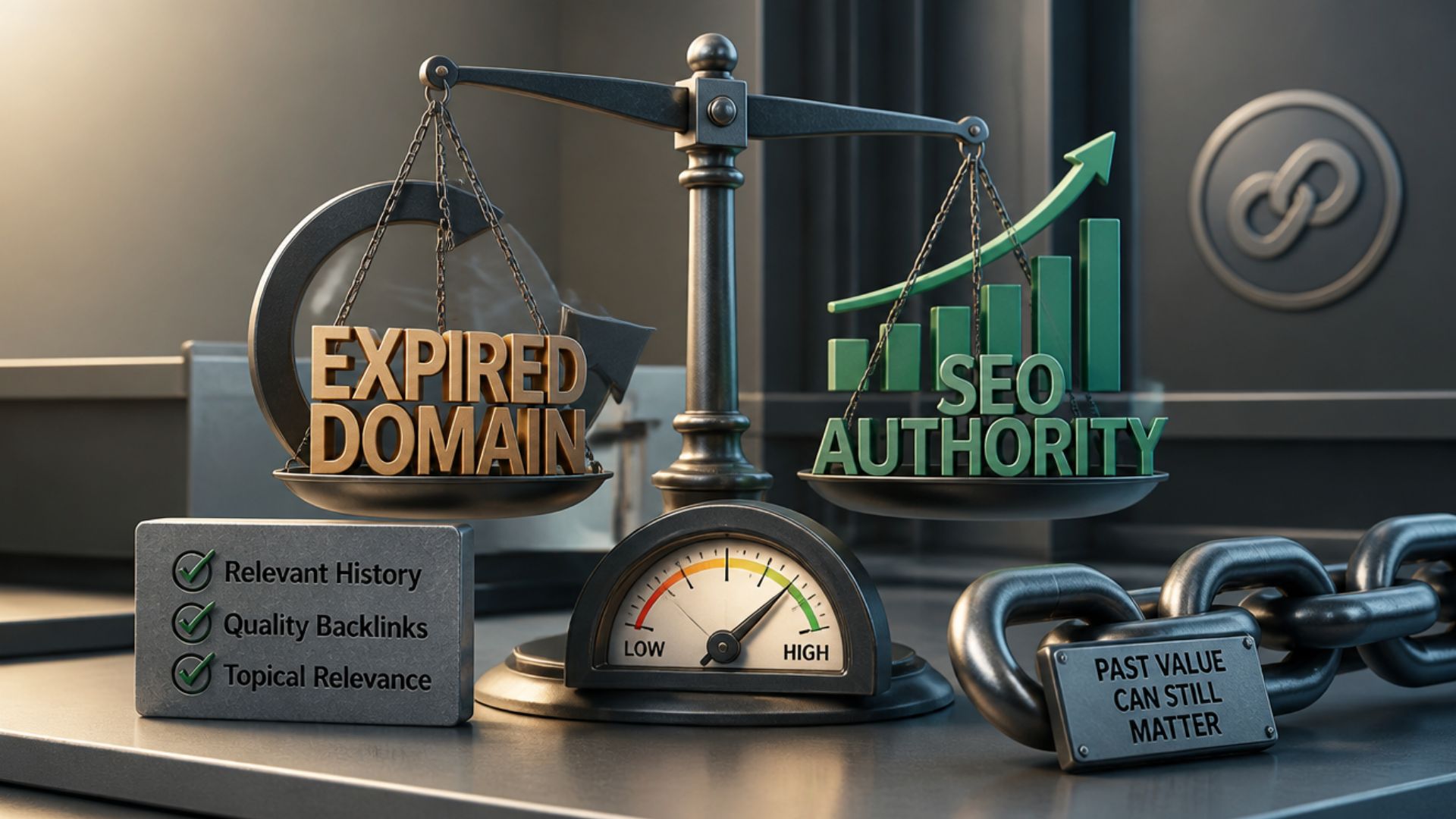
It is important to distinguish an aged domain from an expired domain. An aged domain has remained registered over time, while an expired domain was not renewed by its previous owner and later became available for purchase or registration. Some expired domains are also aged, but not every aged domain has expired.
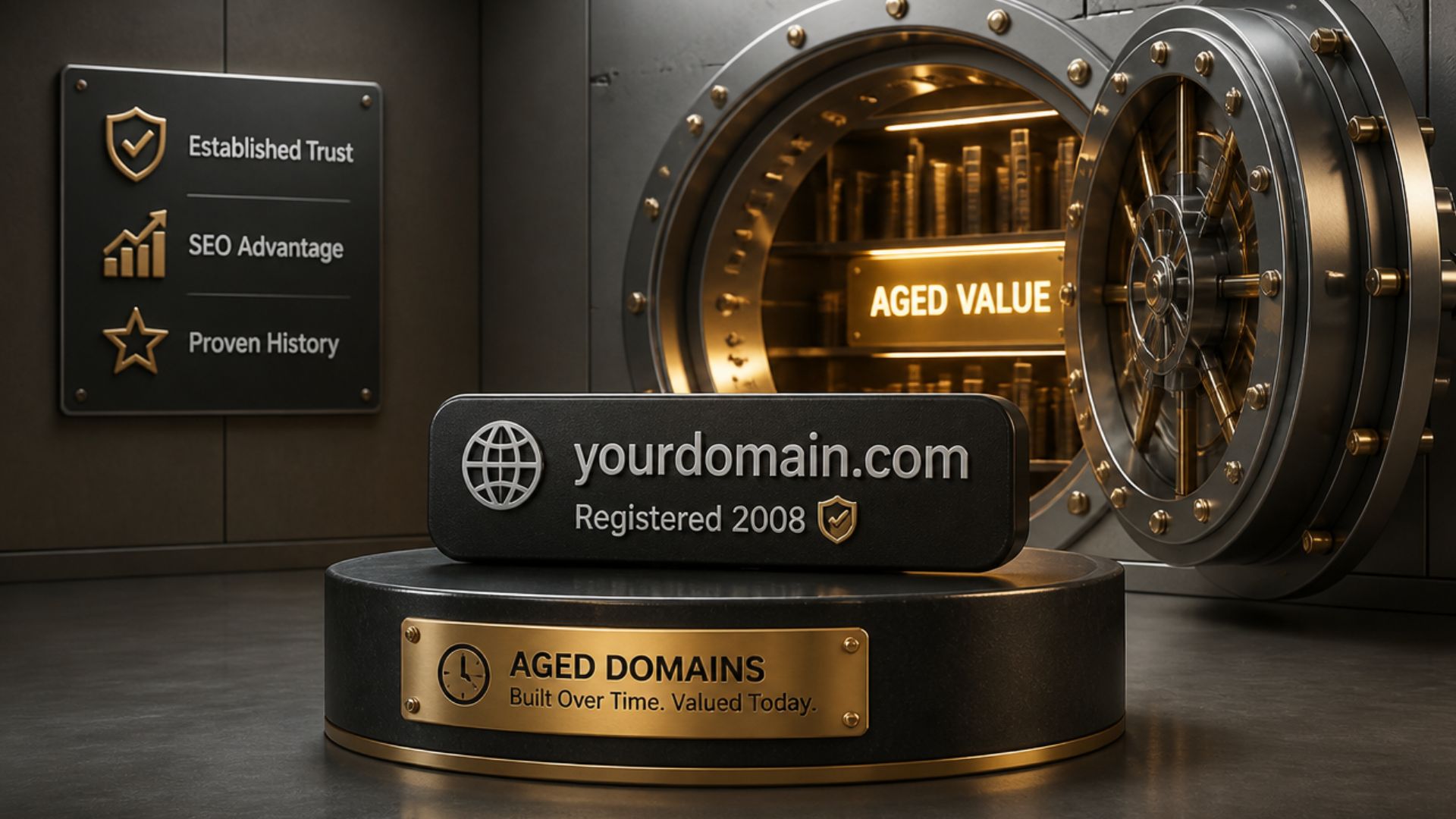
Aged crypto domains are often attractive because they may already have backlinks, brand mentions, historical content, and recognition within the crypto niche. However, age alone does not make a domain valuable. Its real SEO value depends on its previous use, backlink quality, topical relevance, reputation, and whether search engines still associate it with trustworthy content.
Do Aged Crypto Domains Still Help SEO?
Yes, but not simply because they are old. Google does not reward a domain just because it has existed for many years. An aged crypto domain may support SEO only when it has earned useful signals over time through legitimate use.
Examples of those signals include:
- High-quality backlinks from reputable crypto, finance, technology, or news websites
- Consistent historical content related to cryptocurrency, blockchain, Web3, or DeFi
- Natural anchor text from relevant referring domains
- Historical organic visibility for related search queries
- A clean reputation without spam, phishing, malware, or manipulative redirects
- Brand mentions or citations from trusted sources in the crypto industry
These assets can help a new project start from a stronger position than a project in a completely new domain. However, the value comes from trust, relevance, and authority, not from the registration date itself. A ten-year-old domain with spam links and a suspicious history can be worse than a brand-new domain.
What to Look for in an Aged Crypto Domain
Not every aged crypto domain offers real SEO value. Before buying one, you should look for signs that the domain has built trust, relevance, and authority over time.
Relevant Crypto History
Choose a domain with a clear history in cryptocurrency, blockchain, Web3, DeFi, NFTs, crypto wallets, exchanges, or other closely related topics. A domain that has consistently covered similar subjects is more likely to align with your new website than one that previously focused on an unrelated industry.
For example, a domain that previously published blockchain tutorials, crypto market analysis, exchange reviews, or wallet guides is usually more relevant than a domain that briefly mentioned crypto after years of covering gambling, health, or unrelated affiliate topics.
High-Quality Backlinks
Backlink quality is more important than backlink quantity. A domain with 50 strong links from relevant websites can be more valuable than a domain with thousands of low-quality links from directories, comment spam, private blog networks, or unrelated sites.
Look for backlinks from reputable crypto publications, blockchain projects, technology websites, finance resources, developer communities, universities, or established news outlets. These links are more likely to support long-term SEO value than inflated metrics from weak or artificial link sources.
Natural Anchor Text
A healthy, aged domain should have a natural anchor text profile. This means the backlinks should include a mix of branded anchors, URL anchors, generic anchors, and relevant topical phrases.
Be careful with domains where most backlinks use exact-match commercial anchors such as “best crypto exchange,” “buy bitcoin now,” or “crypto casino bonus.” Excessive keyword-rich anchors may indicate previous link manipulation, spam campaigns, or an aggressive SEO history.
Strong Topical Authority
A domain with established topical authority in the crypto industry can provide a stronger foundation for a new website. Topical authority usually comes from consistent coverage of related subjects over time, not from one or two isolated crypto articles.
For instance, a domain that has published content about blockchain security, wallets, DeFi platforms, crypto regulations, and exchange comparisons over several years is more likely to carry useful topical signals than a domain with a scattered or inconsistent history.
Clean Domain History
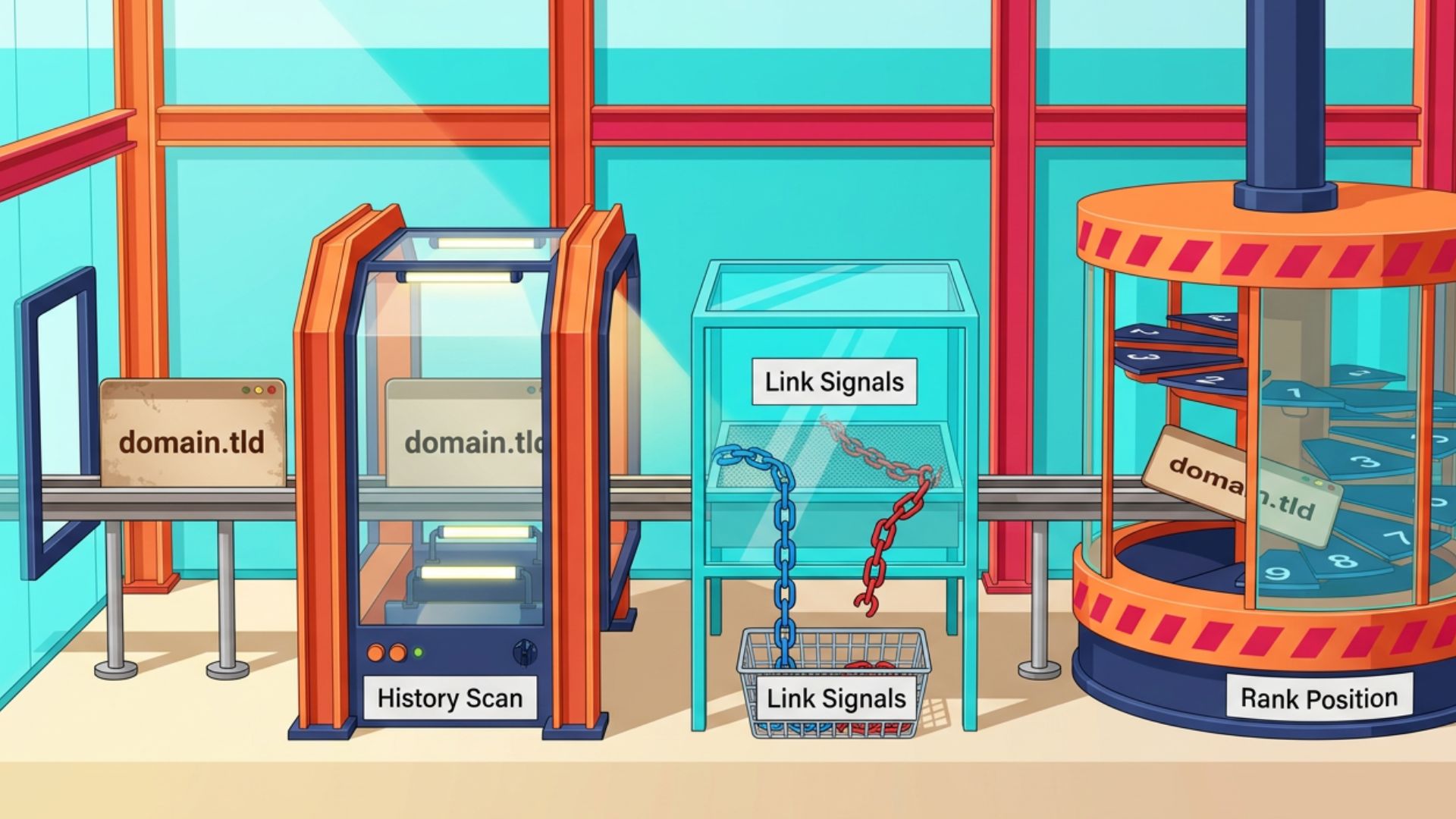
A clean history is one of the strongest indicators of a valuable aged domain. Before making a purchase, review archived versions of the website to understand how the domain was used over time. Consistent publishing within the crypto industry is generally a positive sign, while evidence of spam, phishing, malware, doorway pages, or frequent topic changes should raise concerns.
Tools such as the Internet Archive’s Wayback Machine can help verify historical content and reveal whether the website maintained a legitimate purpose throughout its lifetime.
Historical Organic Visibility
If historical SEO data is available, review the domain’s organic traffic trends. A domain that maintained stable visibility over several years is generally a stronger candidate than one that experienced a sudden collapse in rankings.
Sharp declines in traffic may indicate algorithmic issues, manual actions, large-scale link loss, or a complete change in the website’s purpose. While traffic fluctuations are normal, significant drops deserve additional investigation before purchasing the domain.
A Brandable and Relevant Domain Name
A good crypto domain should also be memorable, easy to pronounce, and relevant to your business or project. Avoid names that are excessively long, difficult to spell, or overloaded with keywords, as they are harder to build into a recognizable brand.
Brandable domains often perform better over the long term because they are easier for users to remember, share, and reference naturally across websites and social media.
What to Avoid When Buying an Aged Crypto Domain
While an aged crypto domain can provide SEO advantages, buying the wrong one may create long-term challenges that are difficult and expensive to fix. Watch for the following warning signs.
Spammy or Low-Quality Backlinks
A backlink profile filled with links from spammy, irrelevant, or automatically generated websites is a major red flag. Large numbers of low-quality backlinks rarely provide sustainable SEO value and may even reduce trust.
Pay particular attention to backlinks originating from obvious link farms, hacked websites, unrelated foreign-language pages, spun content, or suspicious directory networks.
Manipulative Anchor Text
An unnatural anchor text profile often indicates previous SEO manipulation. If most backlinks use identical commercial keywords instead of branded or natural anchors, the domain may have been part of aggressive link-building campaigns.
A balanced mix of branded anchors, naked URLs, generic phrases, and topical keywords usually indicates a healthier backlink profile.
History of Spam, Phishing, or Malicious Activity
Some crypto domains have previously been used for phishing campaigns, fake wallet services, fraudulent investment schemes, malware distribution, or other deceptive activities. Even if ownership changes, that negative reputation may continue to affect user trust and search performance.
If archived versions reveal suspicious content or browser security warnings, it is generally safer to avoid the domain entirely.
Unrelated Website History
A domain that has repeatedly switched between unrelated industries often loses topical consistency. For example, a website that moved from health to gambling, then to cryptocurrency, and later to online casinos sends mixed relevance signals to both users and search engines.
Domains with a stable crypto-related publishing history are generally stronger candidates for blockchain or cryptocurrency projects.
Previous Redirect Abuse
Some expired domains have been purchased repeatedly and redirected to unrelated websites solely to pass link equity. While not every redirected domain is problematic, a history of ownership changes and unrelated redirects can reduce the domain’s long-term SEO value.
Whenever possible, investigate whether the domain was previously used in expired-domain SEO strategies rather than as a genuine website.
Trademark or Brand Conflicts
Before purchasing any domain, verify that its name does not infringe on registered trademarks or closely resemble an established cryptocurrency company or blockchain project. Selecting a unique and legally safe domain reduces the risk of future disputes while helping you build an independent brand.
How to Evaluate an Aged Crypto Domain Before Buying
Before committing to a purchase, perform a complete evaluation rather than relying solely on domain age or third-party metrics. The following checklist can help you make a more informed decision.
- Review the domain’s history. Use archived versions of the website to confirm it consistently published legitimate crypto-related content and maintained a clear purpose over time.
- Analyze the backlink profile. Review referring domains, backlink quality, anchor diversity, and topical relevance instead of focusing only on the total number of links.
- Review the anchor text profile. Natural anchor text usually contains branded phrases, URLs, and contextual anchors rather than excessive keyword-rich links.
- Check whether the domain is still indexed. A quick site:domain.com search in Google can help determine whether pages from the domain still appear in search results. A complete absence of indexed pages may warrant further investigation.
- Review historical organic visibility. Stable search performance is generally a stronger signal than sudden growth followed by a significant decline.
- Verify there are no trademark conflicts. Confirm that the domain does not infringe on any existing trademarks or closely imitate any well-known crypto brands.
- Compare the asking price with the actual SEO value. Consider the backlink profile, topical authority, historical performance, branding potential, and future usability before deciding whether the asking price is justified.
Conclusion
An aged crypto domain can provide a valuable SEO foundation when it has earned trust through legitimate use, relevant content, high-quality backlinks, and consistent topical authority. However, domain age itself is only one small part of the overall picture.
Before making a purchase, carefully evaluate the domain’s history, backlink profile, anchor text, indexed status, historical visibility, and relevance to your future project. Investing a little more time during the evaluation process can help you avoid costly mistakes and choose a domain that supports sustainable organic growth for years to come.