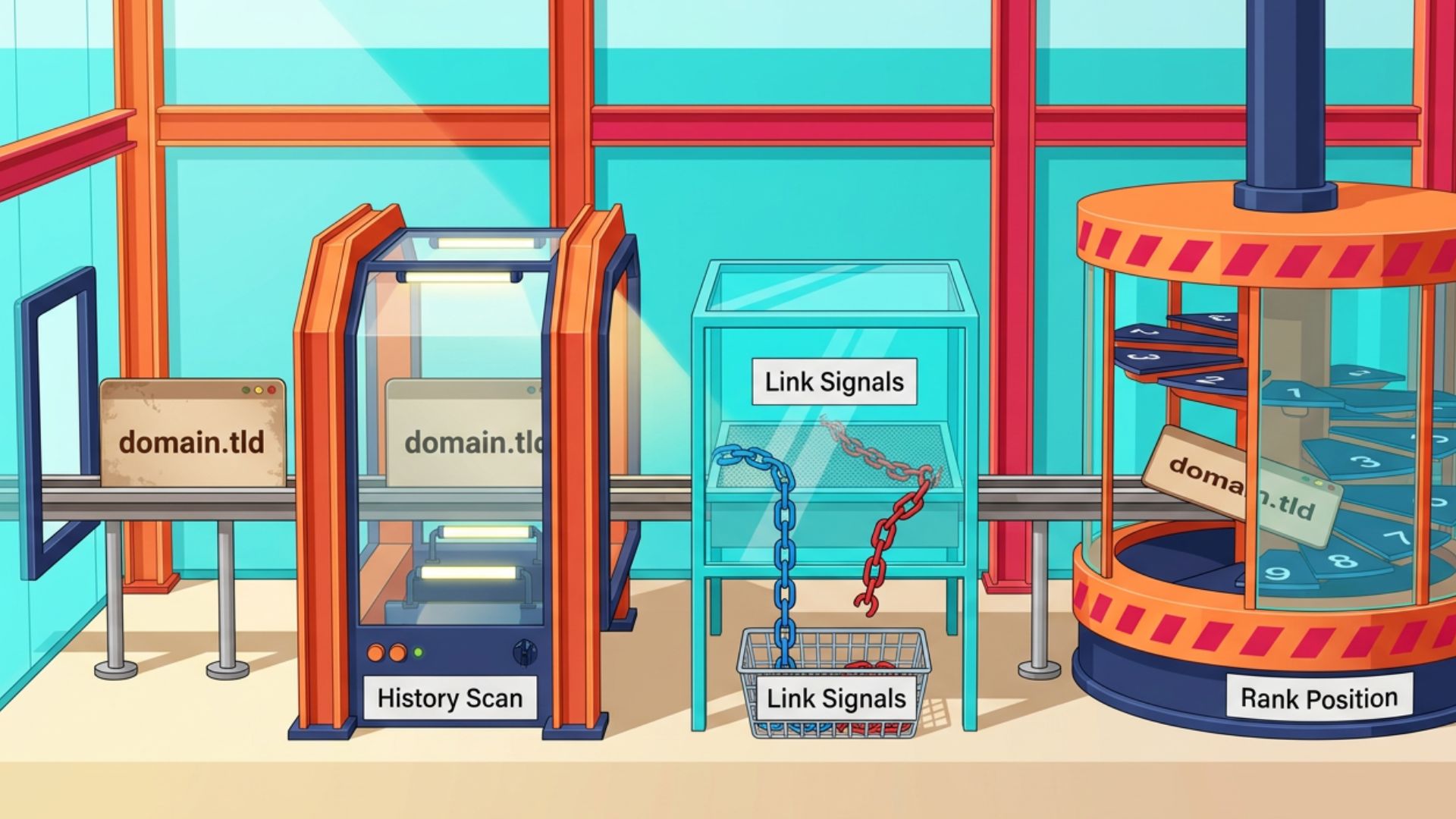

Choosing a domain is one of the first branding decisions for a gambling site, and some of the most appealing names come with premium price tags. A short, memorable name can be attractive, but paying thousands of dollars for a domain does not automatically make it a better choice. For a new gambling business on a limited budget, the decision comes down to whether the name offers enough value to justify the extra cost. Understanding what a premium domain can realistically offer helps determine when paying more makes sense and when a standard domain is the better option.
What Is a Premium Domain?
A premium domain is a domain name that commands a higher price because it’s more desirable than a typical available name. Short, memorable, easy-to-spell, and commercially relevant names are more likely to attract premium pricing. The price can come from the domain registry itself or from an existing owner selling the name on the aftermarket.
Registry-premium vs. aftermarket domains
A registry-premium domain is designated as premium by the registry and may carry a higher registration or renewal price. An aftermarket domain is already registered and being resold by its owner, with the price determined by the seller and market demand.
The distinction matters because the purchase price and ongoing renewal costs can differ between the two.
Why gambling-related names can command high asking prices
Short names connected to betting, casinos, sports, or other gambling concepts can have strong commercial appeal because they are easy to associate with the industry. A name that is concise, memorable, and broad enough to support a recognizable brand can therefore attract higher demand than a more complicated alternative.
The premium, however, reflects the name’s perceived value. That doesn’t mean the domain automatically has greater SEO value.
What Does a Premium Domain Actually Give a Gambling Business?
The main value of a premium domain is what it can contribute to the brand, not a special advantage in search rankings.
Brandability and memorability
A concise, distinctive name is easier for customers to remember and recognise. That can make it more practical as the central name of a gambling brand across its website and other customer-facing channels.
Easier marketing and communication
A simple domain is easier to say, type, and include in advertising or promotional materials. This can reduce friction when customers encounter the brand outside the website itself.
Long-term brand consistency
If the domain closely matches the business name, keeping it long-term can provide consistency across the company’s website and marketing. That makes the choice more important than simply finding a name that works for launch.
Potential value of a strong existing name
An aftermarket domain may already have recognition or a history that is relevant to the intended brand. However, you need to investigate that history separately before assigning it additional value. A domain’s previous use or backlink profile should never be assumed to be an asset simply because the name is expensive.
Does a Premium Domain Actually Help a Gambling Site’s SEO?
A premium domain doesn’t get a special ranking advantage just because it costs more. Google says keywords in domain names have little ranking effect on their own, and its exact-match domain system prevents domains from gaining excessive credit just for matching search queries.
The same applies to the extension. A .com may offer branding advantages, but it does not automatically rank better than another TLD. Likewise, an older domain is not inherently more valuable for SEO just because of its age.
For a gambling business, the practical takeaway is simple: don’t pay a premium for a domain expecting the name itself to improve rankings. If an existing domain has useful history or backlinks, evaluate those factors separately before purchase.
What Could Make a Premium Gambling Domain a Bad Purchase?
A high asking price doesn’t guarantee a domain is a good investment. Several factors can reduce its value or create problems after the purchase.
An inflated asking price
A domain may be short, memorable, and relevant to gambling without being worth the seller’s asking price. Compare the value with the strength of available alternatives and the benefit the name can realistically provide to the business.
A problematic history
An aftermarket domain may have been used for spam, unrelated content, or other activities that make its history less desirable. Check how the domain was previously used before treating its history as an asset.
Poor-quality backlinks
A large backlink profile is not automatically valuable. Links from irrelevant, manipulative, or low-quality sources can provide little benefit and may signal a problematic past.
Trademark conflicts
A gambling-related name can resemble an existing casino, sportsbook, or betting brand. Before purchasing, check whether the name could create a trademark dispute or other branding conflict.
Unexpected ongoing costs
The purchase price is not necessarily the full cost of ownership. Some premium domains can have higher renewal costs, so confirm the renewal terms before committing to the acquisition.
A domain becomes harder to justify when its price, history, or legal and financial risks outweigh the branding value it provides.
How to Decide If a Premium Gambling Domain Is Worth the Price
Before paying a premium, compare what the domain offers against its cost and the alternatives available. Consider:
- Is the name significantly better than the alternatives? If another available name is nearly as memorable and brandable, a large price difference may be difficult to justify.
- Does it strengthen the intended brand? The name should fit the business and remain useful as the brand develops rather than being tied too closely to one product or promotion.
- Are you paying for branding or assumed SEO benefits? A premium price doesn’t create a ranking advantage, so SEO expectations shouldn’t be the main reason for the purchase.
- Does an existing domain have a clean history? Review its previous use, backlink profile, and known search-engine issues before treating its history as an asset.
- Could the name create a trademark problem? Check for existing gambling brands and relevant trademarks before committing to the purchase.
- What will it cost to keep? Include renewal fees and other acquisition costs when calculating the domain’s long-term cost.
The purchase makes more sense when the name’s business value clearly outweighs the additional cost and associated risks.
When Paying for the Premium Makes Sense, and When It Doesn’t
A premium domain can be worth the cost when the name provides a clear advantage that will matter throughout the life of the business. It may make sense when:
- The name is substantially stronger than the alternatives. It is more memorable, easier to communicate, or better suited to the intended brand.
- The business plans to use the name long term. A domain that will remain central to the brand can justify a larger upfront investment.
- The price fits the business budget. The purchase should not consume funds needed for more important business requirements.
- The domain has been properly checked. You understand its history, backlinks, trademark exposure, and renewal costs before purchase.
A cheaper domain may be the more practical choice when:
- The premium name offers only a minor branding improvement.
- The asking price is disproportionate to the value it provides.
- The domain has questionable history or potential trademark issues.
- A strong, available alternative can serve the same business purpose for much less.
- Buying the domain would take money away from more important priorities.
The key isn’t whether a domain is labelled premium. It is whether the difference between that name and the available alternatives is valuable enough to justify the additional cost.
Conclusion
A premium domain can be a worthwhile investment for a gambling site when the name offers clear, long-term branding value that cheaper alternatives cannot match. However, its price should not be justified by the expectation of higher Google rankings alone. Before buying, consider the domain’s history, backlink profile, trademark risks, renewal costs, and the strength of available alternatives. The right choice is ultimately the one that provides enough business value to justify the additional cost without creating unnecessary financial or SEO risk.