
An aged domain can look like a shortcut to established authority. It may come with years of registration history, existing backlinks, and other signals that make the asking price seem justified. But those same assets can be misleading if the history includes spam, unrelated content, manipulated links, or other problems. Paying first and investigating later can turn an attractive purchase into an expensive cleanup project. A proper due diligence process helps separate genuine value from inflated metrics and hidden risks, giving buyers the evidence they need to decide whether the purchase is worth the money.
What Aged Domain Due Diligence Actually Means
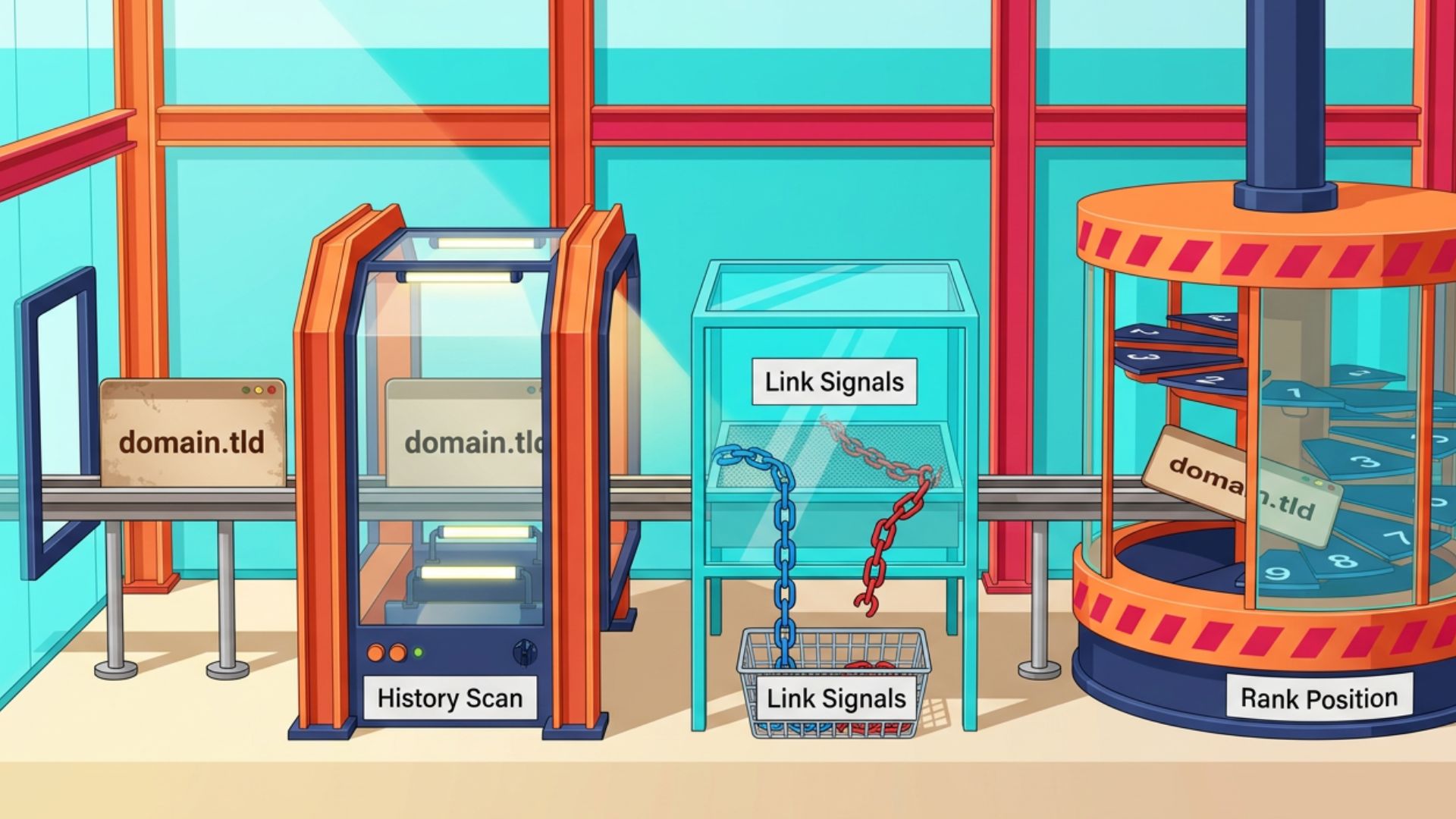
Due diligence means looking beyond a domain’s age and asking what its history is actually worth. A name that has existed for 15 years is not automatically more valuable than one that has existed for five. The review should answer three basic questions: What was it used for? What value has it retained? What risks could come with it?
That means examining its history, reputation, links, search presence, and other relevant signals before deciding what the asking price is really worth. Most importantly, due diligence does not guarantee future rankings or traffic. It gives buyers enough evidence to make a more informed decision before committing their money.
Start With the Domain’s Basic Registration Details
Start by confirming the registration details rather than taking the seller’s claims at face value. Check when the name was first registered and review its current status using RDAP (Registration Data Access Protocol), the authoritative registration-data service for most generic top-level domains. This establishes the basic timeline and confirms details such as the registrar and available registration dates.
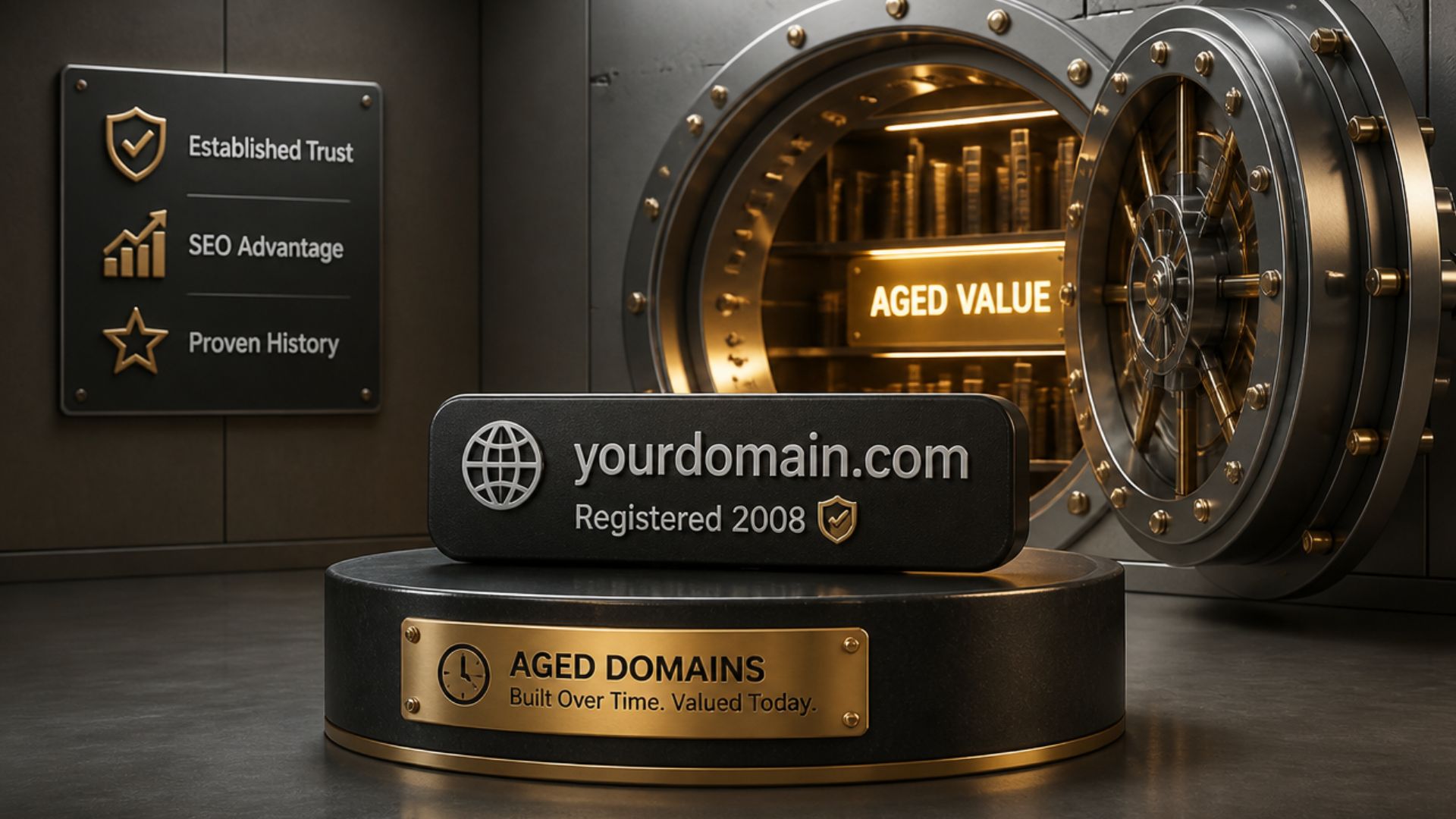
Registration age alone does not prove that an asset has accumulated meaningful value. A name registered 15 years ago may have spent much of that time unused, parked, or under different ownership. Where historical registration records are available, compare them with the site’s past activity and note major ownership changes or long periods of inactivity. These findings don’t automatically make a purchase risky, but they can change how much confidence you should place in the seller’s claims.
Investigate the Domain’s Entire History
Use the Wayback Machine to review how the website looked and what it published over time. Don’t stop at the most recent snapshot. Compare several periods to identify major changes in niche, ownership, business purpose, or content. Pay particular attention to stretches where the site became a parking page, hosted unrelated content, redirected elsewhere, or appeared to contain spam or hacked pages.
The goal is to determine whether the history is reasonably consistent with the value being sold. A site that spent years serving a genuine audience in a relevant industry tells a different story from one that repeatedly changed topics or was repurposed for unrelated SEO campaigns. These patterns don’t automatically disqualify a purchase, but they should shape how carefully you evaluate the remaining signals.
Audit the Backlink Profile Before Valuing the Domain
Review the referring domains behind the backlink count, then inspect the sites and pages providing the strongest links. Relevant editorial links from legitimate websites are generally more meaningful than large numbers of low-quality, unrelated, or sitewide links. Pay attention to anchor text, too. An unusually high concentration of commercial or exact-match anchors, especially when it does not fit the site’s historical subject, can indicate artificial link building.
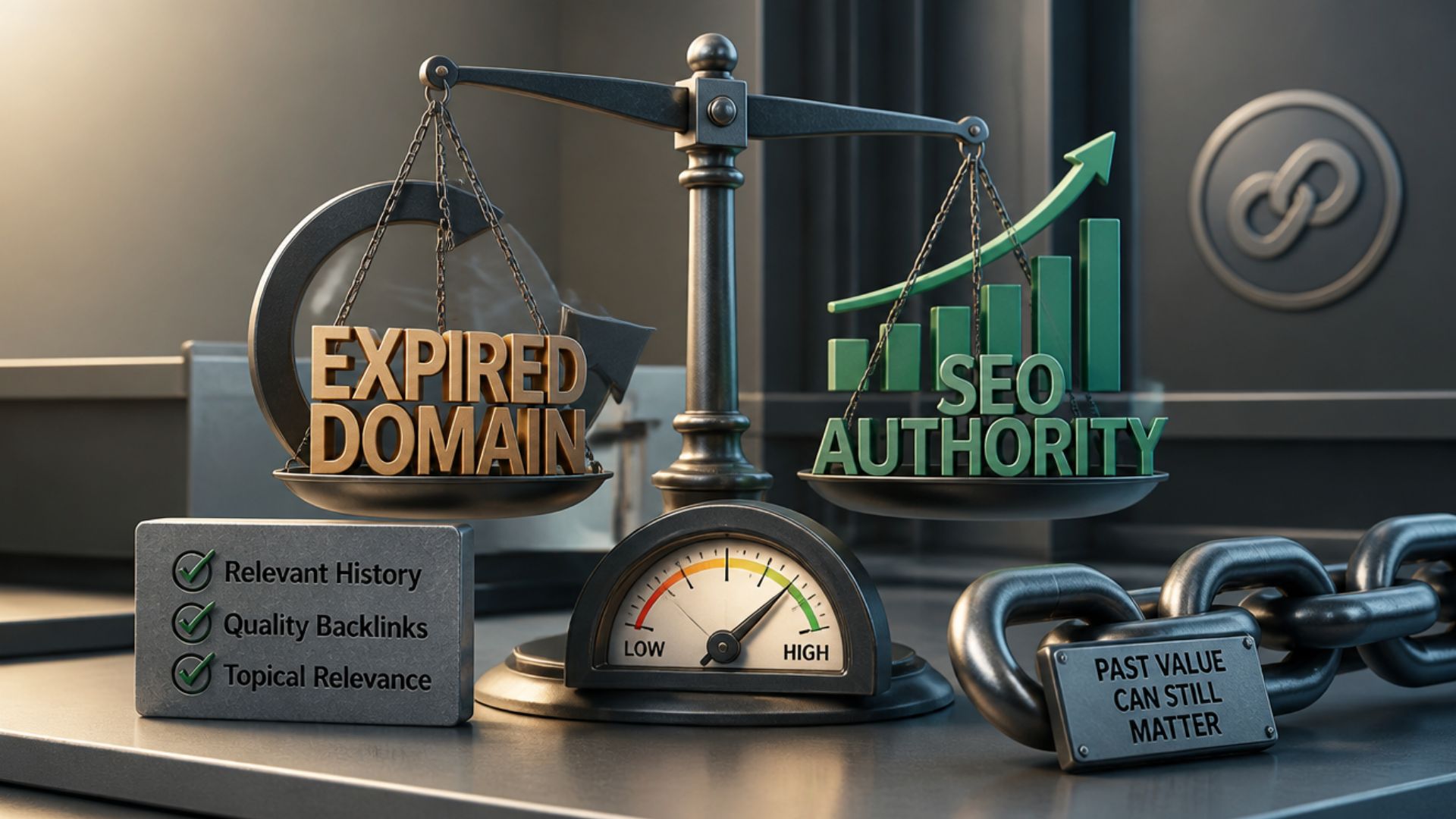
Don’t let a high Domain Rating, Domain Authority, or similar metric settle the question by itself. Trace the strongest signals back to their sources and confirm that important links are still live and come from credible sites. A smaller profile built naturally can be more valuable than thousands of links created through directories, spam networks, or other manipulative tactics.
Verify Traffic and Search Visibility Claims
If the seller claims the site receives organic traffic, ask for evidence rather than treating a screenshot or headline figure as proof. Review historical traffic trends when reliable data is available and look for large, unexplained drops or long periods of inactivity. Compare traffic with the site’s historical content and backlink profile to see whether the numbers make sense.
Also check whether the site or its important pages still appear in search results. A strong historical traffic profile doesn’t mean the same visibility exists today, especially if the site changed purpose or lost important links. Treat traffic and rankings as evidence of past or current performance, not as a guarantee of what the new owner will achieve.

Check for SEO, Security, and Reputation Risks
Look for signs that the site was previously used for spam, manipulative SEO, or other abusive activity. Keyword-stuffed pages, unnatural links, mass-produced content, suspicious redirects, or hacked pages can indicate a problematic history. Also investigate major drops in search visibility and whether important pages still appear in search results. These signals can help uncover problems that authority metrics alone may not reveal.
Security and reputation issues deserve the same attention. Review archived pages and known URLs for malicious content, phishing-related pages, or repeated redirects, and check relevant security or blacklist services when appropriate. Not every past issue makes a purchase unacceptable, but several unresolved problems together can significantly reduce the value of the asset. Also remember that buying an aged domain is not inherently against Google’s policies; the concern arises when it is repurposed primarily to manipulate search rankings rather than provide genuine value.
Check for Trademark and Brand Risks
SEO metrics should not be the only consideration when deciding whether to buy a name. Search the domain and its associated brand terms for existing trademarks, particularly in the markets where the new business will operate. Also review how the name was previously used. A name tied to an established company or recognizable brand can create confusion even if the registration itself is available for purchase.
Availability does not automatically mean unrestricted use. If the name closely matches an existing trademark or the previous brand still has an active presence, investigate the situation before paying. For potentially valuable or disputed names, getting advice from a qualified trademark professional is safer than assuming the purchase gives you the right to use the name commercially.
Know the Red Flags Before You Pay
By this point, the warning signs should be easier to recognize. Be cautious when the history shows repeated niche changes, obvious spam, manipulated anchor text, suspicious referring sites, unexplained traffic losses, hacked content, or questionable redirects. Claims about exceptional authority or traffic should also raise questions when the underlying evidence does not support them.
One weak signal does not necessarily make a purchase a bad decision. The bigger concern is a pattern of problems that points to inflated value or unresolved risk. If the seller avoids reasonable verification, important claims cannot be supported, or the available evidence conflicts with what is being advertised, it may be better to negotiate from a stronger position or walk away entirely.
Decide Whether to Buy, Negotiate, or Walk Away
Once the review is complete, judge the purchase based on the overall evidence rather than one impressive metric. A consistent history, legitimate backlinks, credible traffic data, relevant past use, and no major legal or reputation concerns provide a stronger case for buying. If the asset has genuine value but some manageable weaknesses, those findings can support a lower offer.
Walking away is often the better decision when serious problems remain unresolved. A long registration history or high authority score does not compensate for a spam-heavy past, manipulated links, serious trademark concerns, or other risks that could be costly to fix. The goal isn’t to find a perfect asset, but to ensure the price reflects its real value and known risks.
Aged Domain Due Diligence Checklist
Before completing the purchase, make sure you have:
- Verified the registration date and current registration details
- Reviewed the historical website and previous uses
- Audited the backlink profile and anchor text
- Verified important backlinks and traffic claims
- Reviewed search visibility and potential SEO issues
- Checked for security, reputation, and trademark concerns
- Compared its history with your intended use
- Independently verified the seller’s major claims
- Investigated every unresolved red flag
- Confirmed that the asking price reflects the evidence
If several important questions remain unanswered, don’t rush the purchase. Get the missing information, adjust your offer, or walk away if the risk is too high.
Conclusion
Evaluate an aged domain based on the evidence behind its history, not the age or metrics shown in a sales listing. Reviewing its past use, backlinks, search presence, reputation, and legal risks can reveal whether the asking price reflects genuine value or hidden problems.
The safest approach is simple: verify before you pay. If the evidence supports the seller’s claims and the asset fits your plans, move forward with confidence. If important questions remain unanswered, negotiate based on the risk or walk away.