
A standard domain registration can cost only a few dollars, yet some names are listed for hundreds, thousands, or even millions. That price difference can be surprising, especially when using either name on a website is essentially the same. The reason comes down to the name itself and how much value buyers place on it. Understanding what makes certain names more desirable can help explain why they carry such high price tags and whether that premium reflects genuine market value or simply a seller’s expectations.
Premium Domains Explained: What Makes a Domain “Premium”?
A premium domain is a name priced above the standard registration fee because it is considered a more desirable or valuable investment. The higher price isn’t due to a different technical function. It reflects the perceived or established value of the name itself.
The term can refer to two different situations, depending on how the name is being sold.
Registry-Classified Premium Names
Some domain registries designate certain unregistered names as premium and assign them higher registration prices. These names may include short combinations, common words, or names considered commercially attractive. Pricing policies vary by registry and extension, and a premium registration may also have different renewal or transfer fees.
Aftermarket Premium Names
Other premium names are already registered and offered for sale by their current owners. In this case, the seller sets the asking price, often through a domain marketplace, broker, or private transaction. The price can be influenced by the name’s perceived scarcity, commercial appeal, previous sales of similar names, and the seller’s expectations.
This distinction matters because a premium name available for registration is priced according to the registry’s rules, while an aftermarket name is priced by its owner or seller.
The Economics Behind a Premium Domain’s Price
A premium price isn’t based on a domain’s technical function. The same registration system can support a low-cost name and one that sells for thousands of dollars. The difference is the value buyers place on the name itself.
A Domain Is a Limited Digital Asset
A specific name can only be registered once under a particular extension. Once someone owns it, others cannot register the exact same name. That makes desirable names inherently scarce.
A Desirable Name Can Have Many Potential Buyers
Scarcity becomes valuable when there is demand. A name that could suit multiple businesses may attract several potential buyers, creating competition for the same limited asset.
The Cost of Registration Is Not the Value of the Name
The standard fee for registering a domain does not determine a desirable name’s value. Premium pricing reflects the name’s market appeal, not the cost of operating the underlying technology.
That is why a name can command a price far above an ordinary registration fee: the buyer pays for control of a scarce, sought-after name, not a technically superior service.
What Makes One Domain More Valuable Than Another?
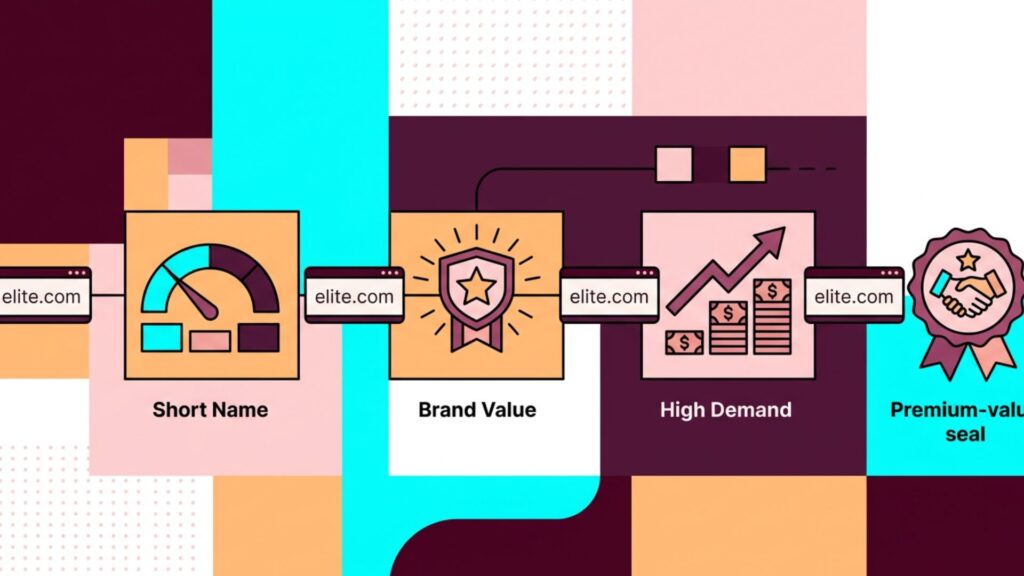
Not every name has the same commercial appeal. Some attract more interest because they are easier to remember, have clear meaning, or can serve a wider range of businesses. Several factors can influence how much buyers are willing to pay.
Brevity and Simplicity
Short names are generally easier to remember, type, pronounce, and share. A simple name also leaves less room for spelling mistakes, making it more practical for customers to use.
Familiar Words and Clear Meaning
Common words are often easier to recognize than unusual combinations of letters or numbers. A name with an immediate meaning can communicate an idea without requiring much explanation.
Commercial Relevance
A name connected to a product, service, industry, or broader market can have value because multiple businesses may find it useful. The wider its potential application, the greater the pool of prospective buyers may be.
Brand Potential
Some names are valuable because they can work naturally as a company or product identity. A distinctive, memorable name can give a business a strong foundation for building recognition.
Extension
The extension can influence demand because some are more familiar or preferred for particular uses and markets. However, its effect largely depends on suitability and market perception, not an automatic advantage in search rankings.
Existing Demand
These characteristics do not guarantee a high price on their own. Ultimately, value depends on whether buyers actually want the name and how much they are prepared to pay for it.
Ultimately, these factors do not translate into a fixed price. A short, memorable name may attract strong demand, while another with similar characteristics may receive little interest. Comparable sales, market conditions, and a name’s strategic value to a particular buyer can all influence what someone is willing to pay.
What Are You Actually Paying For When You Buy a Premium Domain?
When buying a premium domain, you are primarily paying for the right to control a specific name that may be difficult to replace. Its value can come from being memorable, commercially relevant, or well-suited to a particular brand. The registration itself doesn’t become technically better just because the name costs more.
You are also not automatically buying higher search rankings, faster performance, or better hosting. Those depend on how you build and manage the website. What you are buying is the name and the opportunities that come with using it for your business identity, marketing, and customer recognition. For the right company, that can make a premium price worthwhile. For another, a less expensive alternative may provide nearly the same practical value.
Does Paying More for a Domain Give You Better SEO?
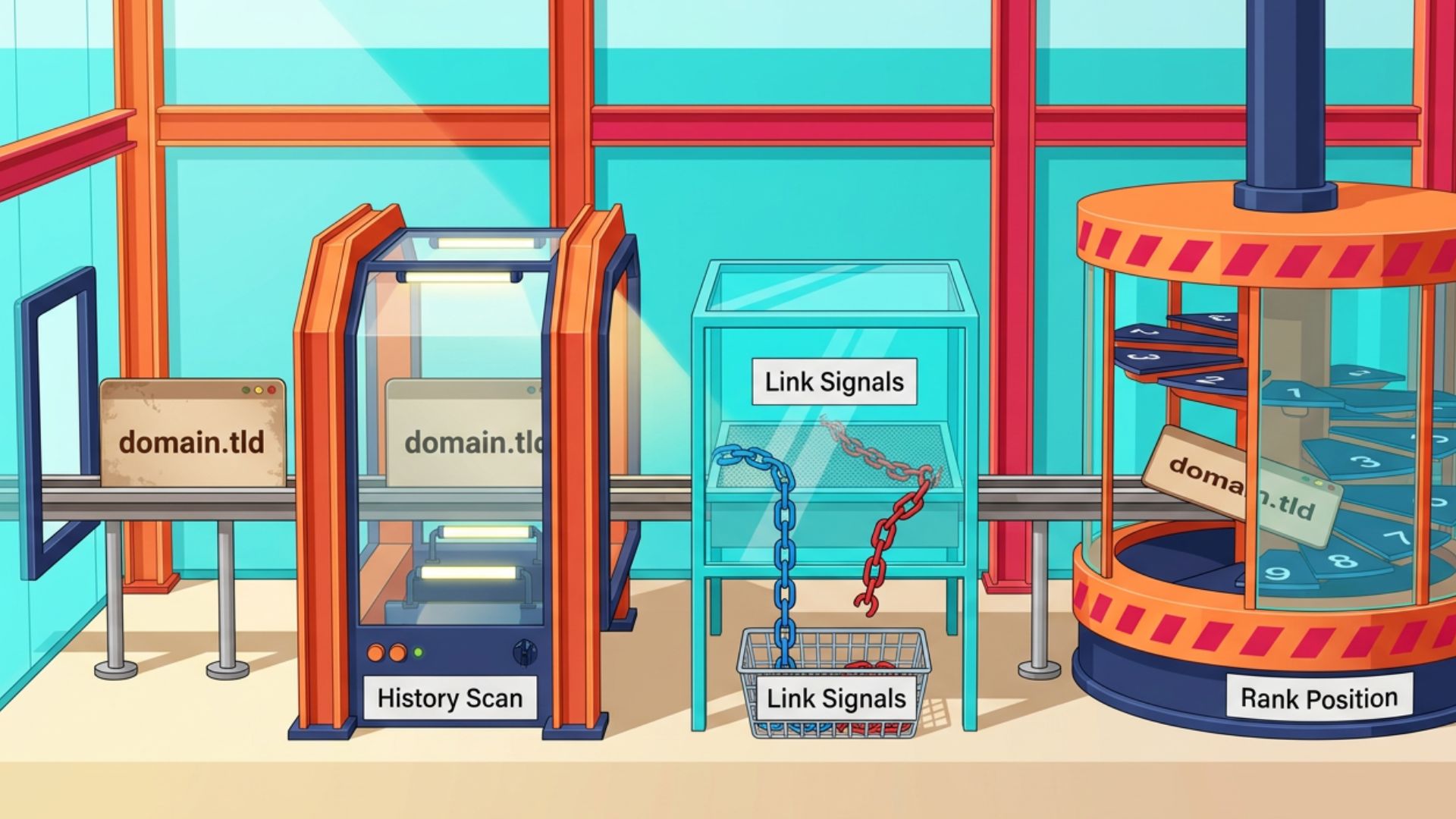
Paying more for a premium domain does not give a website an automatic advantage in Google Search. Premium status itself is not a ranking factor, and having a valuable keyword in the name does not guarantee higher rankings. Google considers many other signals, including the relevance and quality of the site’s content and its overall usefulness to visitors.
A strong name can still provide practical marketing benefits. It may be easier for people to remember, recognize, and associate with a business, which can support brand awareness over time. Those benefits are different from an SEO ranking boost. In other words, a premium price may buy a more memorable or strategically useful name, but it does not buy better search rankings.
Premium Price Does Not Always Mean Premium Value
A high price tag does not automatically mean a domain is worth that amount. This is especially important with aftermarket sales, where the owner can set an asking price based on their own expectations. Unless buyers are willing to meet that price, it remains an asking price, not proof of market value.
Value can also vary from one buyer to another. A name may have limited general appeal but be highly useful to a company whose brand or business depends on it. This means premium pricing, market value, and strategic value aren’t always the same. A domain can be expensive without being a good investment, while a seemingly costly name may make sense when it solves a specific branding need.
Conclusion
Premium domains command higher prices because some names are scarce, memorable, commercially useful, and in demand. The price can reflect registry pricing or what an existing owner believes the name is worth, depending on how it is being sold.
A premium price does not guarantee better SEO performance or business success. The real value lies in the name itself and how useful it is to a particular buyer. For some businesses, that value can justify a significant investment. For others, an affordable alternative may be the smarter choice.