
A premium domain can look expensive at first glance, but price alone does not tell the whole story. Some names command high prices because businesses actively want them, while others may sit on the market because their asking price is difficult to justify. The harder opportunity is finding a name with strong commercial potential that has not yet attracted enough attention to reach its full market price. Spotting these opportunities requires looking beyond the listing and understanding what makes a name useful to real buyers. This guide explains how to identify those signals before broader demand catches up.
What Does “Undervalued” Mean for a Premium Domain?
An undervalued premium domain is not simply a name with a low asking price. The term is more useful when the available evidence suggests that the current price may not fully reflect the name’s commercial usefulness, brand potential, buyer demand, or comparable market activity. That distinction matters because an inexpensive listing can be cheap for perfectly valid reasons.
A narrow buyer pool, weak commercial use, poor naming characteristics, problematic history, or high ownership costs can all justify a lower price. The objective, then, is not to predict which names will appreciate. It is to identify a possible gap between what the seller is asking and what the available evidence suggests businesses may reasonably pay.
Start With Comparable Sales
An asking price tells you what the seller wants, not what buyers have actually paid. Start by looking for completed transactions involving names with similar characteristics, including the extension, length, word structure, commercial category, and brandability. A short .com used across a broad business category, for example, may not meaningfully compare to a longer name serving a narrow niche.
Focus on completed sales rather than other sellers’ listings. A $50,000 asking price does not establish a $50,000 market value, while a completed transaction shows that a buyer actually agreed to that amount. Use several relevant transactions to establish a reference range and account for differences between the names. A significant price gap can justify further research, but it doesn’t prove the listing is mispriced.
Determine Who Would Actually Buy the Name
A strong acquisition candidate needs more than an attractive word. Identifiable businesses or use cases should give the name commercial relevance. Consider which industries it fits, what the name communicates, and whether several types of companies could use it without forcing the brand around an awkward meaning.
Look for actual businesses operating in the relevant category rather than counting hypothetical buyers. Search the industry, examine how companies describe their products or services, and consider whether the name would solve a real branding problem. A broader pool of plausible end users can make an asset more interesting than one that only suits a single narrow application.
Examine Brandability and Commercial Use
A commercially useful name does not have to be an exact-match keyword. Short, memorable wording that is easy to pronounce and spell can give a company room to build a brand around it. Consider whether the name has a clear meaning, sounds credible when spoken aloud, and remains flexible if the business expands into additional products or markets.
The name should also work in practical situations: on a website, in advertising, in conversation, and across customer communications. These characteristics can separate two similarly priced listings with very different commercial potential. They also help explain why a keyword-heavy name is not automatically more valuable. Google says keywords in a domain name or URL path alone have little ranking effect, while its exact-match-domain system is designed to prevent excessive credit for names created to match queries.
Use Search and Market Demand as Supporting Evidence
Search data can help show whether the concept behind a name has existing interest, but it should remain supporting evidence rather than the basis for the entire valuation. Search volume, commercial intent, related queries, industry activity, and competitor presence can help establish whether a term has a meaningful place in the market. High search volume by itself does not show that businesses are willing to pay for the corresponding name.
Business activity is often more useful when assessing emerging opportunities. Look for companies entering the category, products being developed around the concept, and established commercial use of the terminology. This can reveal growing relevance before pricing fully reflects it, but it should not be treated as proof that the name will become more valuable.
Investigate Existing Assets and History
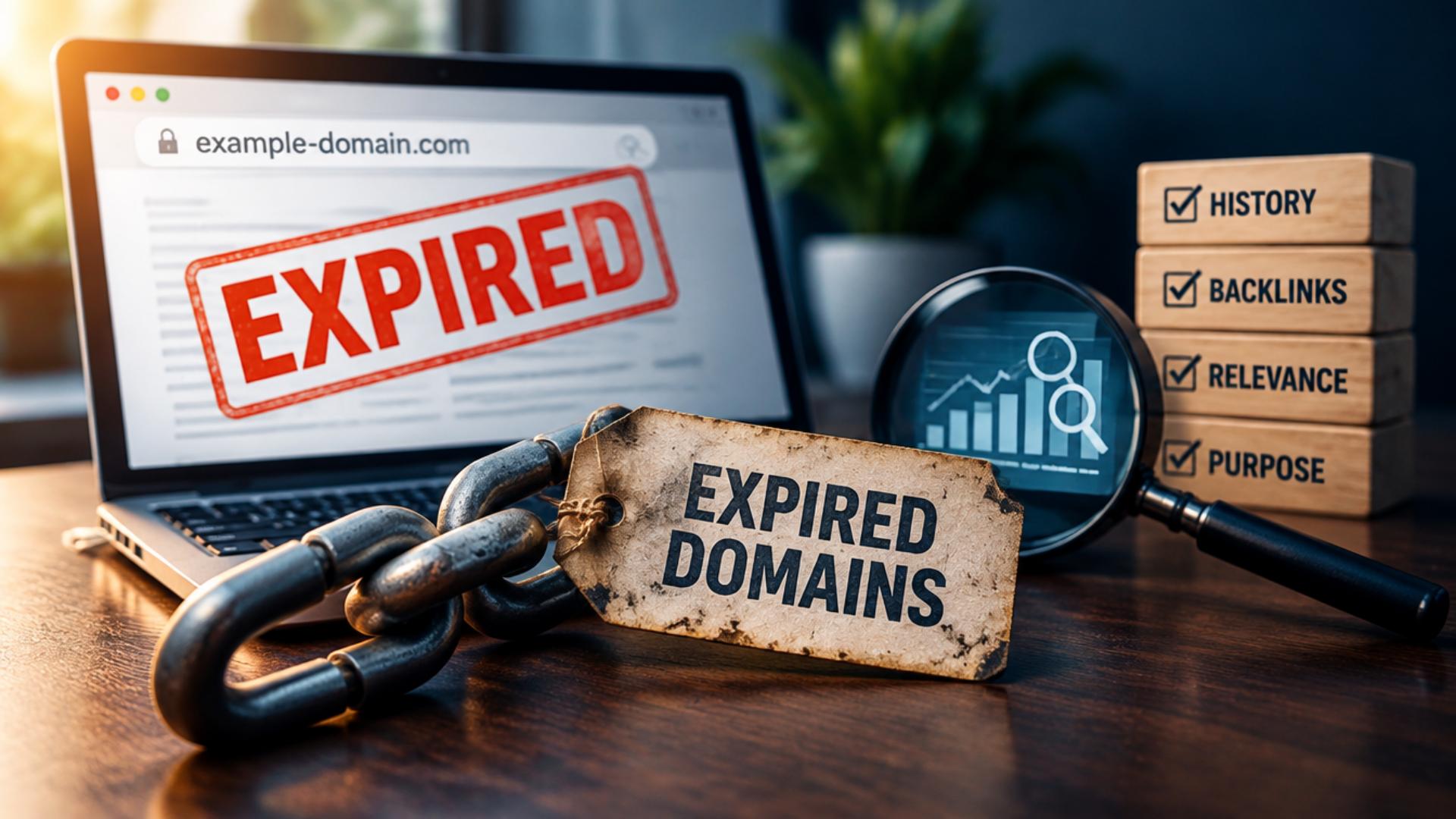
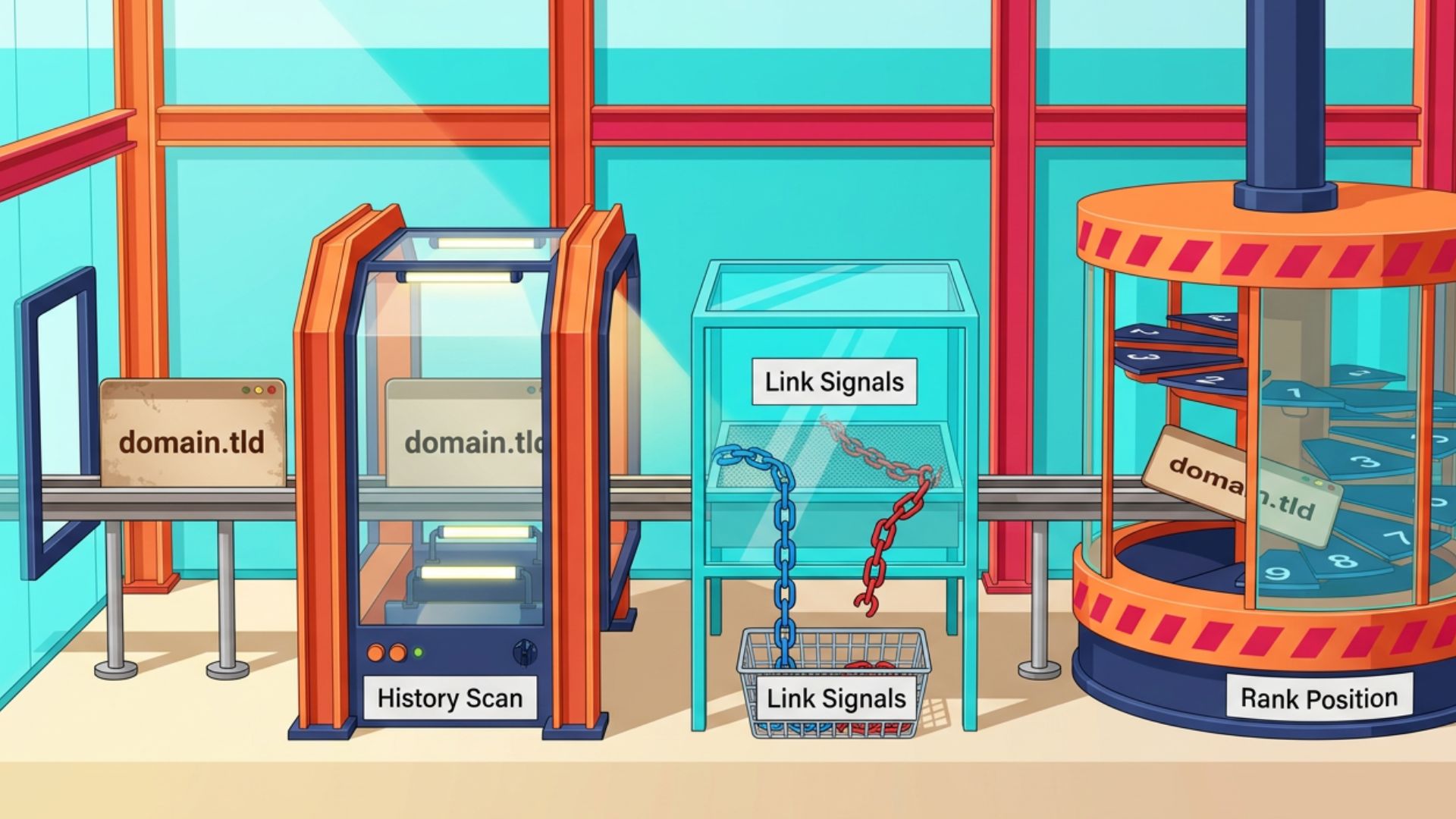
The current listing may not tell you everything about what comes with the acquisition. Review previous website use, historical content, backlinks, and any legitimate traffic before treating those characteristics as added value. A relevant history can provide useful context, while unrelated content, spam, or manipulative SEO activity can create liabilities instead.
Check historical records and the sources of existing links rather than assuming an older registration automatically carries authority. Google specifically identifies expired-domain abuse as a spam practice when previously used names are repurposed primarily to manipulate search rankings with low-value content. A clean, relevant history can strengthen an acquisition case; a problematic one can explain a lower asking price.
Look for the Difference Between Asking Price and Evidence
Once the research is complete, compare the seller’s price with what you have found. Relevant sales, commercial use, buyer demand, brandability, historical assets, and known risks should all factor into the assessment. The objective is not to calculate a supposedly exact number, but to determine whether the asking price makes sense given the evidence.
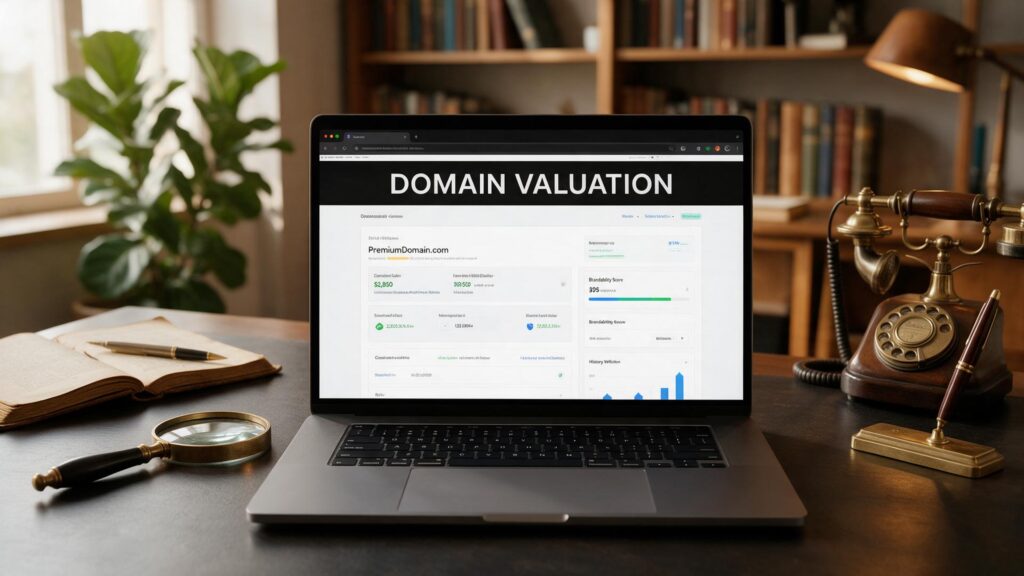
A substantial difference can be worth investigating when several independent signals point in the same direction. However, a lower price may also reflect differences in quality, timing, buyer interest, or seller circumstances. Treat the gap as a reason to ask better questions, not as proof that the market has overlooked the opportunity.
Check Why the Name Is Cheap
A low price can be attractive precisely because it creates the impression of an easy bargain. Before accepting that assumption, determine why the seller may be willing to accept less. Limited commercial applications, a narrow buyer pool, weak brandability, an unsuitable extension, or a questionable history can all explain a lower asking price.
This matters most when the listing appears dramatically cheaper than comparable transactions. Ask whether the differences are characteristics that buyers actually care about. If the name offers no meaningful advantage over cheaper alternatives, the price may already reflect its limitations. If the reason for the discount remains unclear after reasonable research, the listing may deserve closer attention.
Check Registry Pricing, Renewal Costs, and Transfer Conditions
The purchase price is not always the full cost of acquiring a premium domain. Some registry-designated premium domains can carry higher registration or renewal fees, depending on the TLD’s policies. Before comparing a domain with aftermarket sales, verify whether it is an owner-listed domain or a registry premium and check the applicable registration, renewal, and transfer terms. A low upfront price can look attractive until you factor in recurring costs.
These costs matter because they affect the domain’s long-term economics, especially if you’re holding the name for resale rather than developing it immediately. Check the registrar or registry’s current pricing and transfer requirements instead of relying on an old listing or a third-party estimate. The goal is to understand the actual cost of ownership before treating a low asking price as evidence of an undervalued opportunity.
Verify Legal and Reputation Risks Before Buying
Commercial potential does not remove legal or reputational risk. Check for possible trademark conflicts, confusing similarities with established brands, questionable previous uses, spam history, and suspicious backlink activity. A problem in any of these areas can reduce the pool of interested buyers or create additional post-acquisition costs.
A basic history check is therefore part of valuation, not a step to complete after the purchase. If a name has strong characteristics but also presents unresolved trademark or other legal concerns, its apparent discount may have a straightforward explanation. If a potential conflict could materially affect the acquisition, seek professional legal advice before proceeding.
A Practical Undervalued-Domain Research Process
Start with the asking price, then work outward from the name itself: find relevant completed sales, identify realistic end users, assess brandability and commercial use, and research demand around the underlying category. Next, review historical use, traffic and backlinks where relevant, and verify registration, renewal, transfer, and other ownership costs. Finish by checking for trademark and reputation issues before deciding how much weight to give the apparent price gap.
The final comparison should answer one practical question: Does the evidence justify taking the listing more seriously? A good process reduces uncertainty rather than producing a false-precision valuation. If several independent signals support the name and the known risks remain manageable, the asking price may warrant further negotiation or research. If the evidence is weak, a low price may simply reflect limited market interest.
How to Tell an Undervalued Domain From a Cheap Domain
A low price is only the starting point. Look for evidence that supports the possibility of stronger demand:
- Relevant comparable sales: Similar names have sold for higher prices.
- Realistic end users: Several identifiable businesses could have a legitimate reason to acquire it.
- Strong naming characteristics: The wording is memorable, pronounceable, easy to spell, or commercially flexible.
- Clean history: Previous use does not reveal major spam, reputation, or relevance problems.
- Useful existing assets: Verified traffic or relevant backlinks provide additional supporting evidence.
- Reasonable ownership costs: Registration, renewal, transfer, and holding expenses do not undermine the acquisition.
- A defensible price gap: The asking price appears low relative to the combined evidence, not one isolated metric.
A name may simply be cheap when the opposite conditions apply:
- Few businesses have a clear reason to acquire it.
- The potential buyer pool is extremely narrow.
- The wording has limited commercial or branding use.
- Its history raises significant concerns.
- Renewal or other ownership costs are unattractive.
- Comparable sales provide little support for a higher price.
- The low asking price has a clear explanation.
The distinction is ultimately about evidence. An inexpensive name may have little demand, while a potentially undervalued one has characteristics that make the current price worth investigating.
Conclusion
Finding an undervalued premium domain is not about predicting the next name to become expensive. It is about recognizing when the evidence around a listing doesn’t fully align with its asking price. Comparable sales, buyer demand, commercial usefulness, brandability, history, ownership costs, and potential risks provide the context needed to make that assessment.
A low price should start the investigation, not end it. When several independent signals support the name, and no major issue explains the discount, the opportunity may deserve further consideration. The objective is not to guarantee a future return, but to make the acquisition decision based on evidence rather than speculation.