
An expired web address can be more useful than its registration status suggests. Some have a recognizable name, relevant history, quality backlinks, or visitors that still reach the site. The challenge is determining whether those characteristics have real commercial value and choosing a business model that can turn them into revenue. That requires more than checking a few SEO metrics. It means researching the asset, understanding the costs, and matching it with a practical use. Here are five established ways to approach expired-domain monetization, along with the checks you should run before buying.
What Makes an Expired Domain Worth Buying?
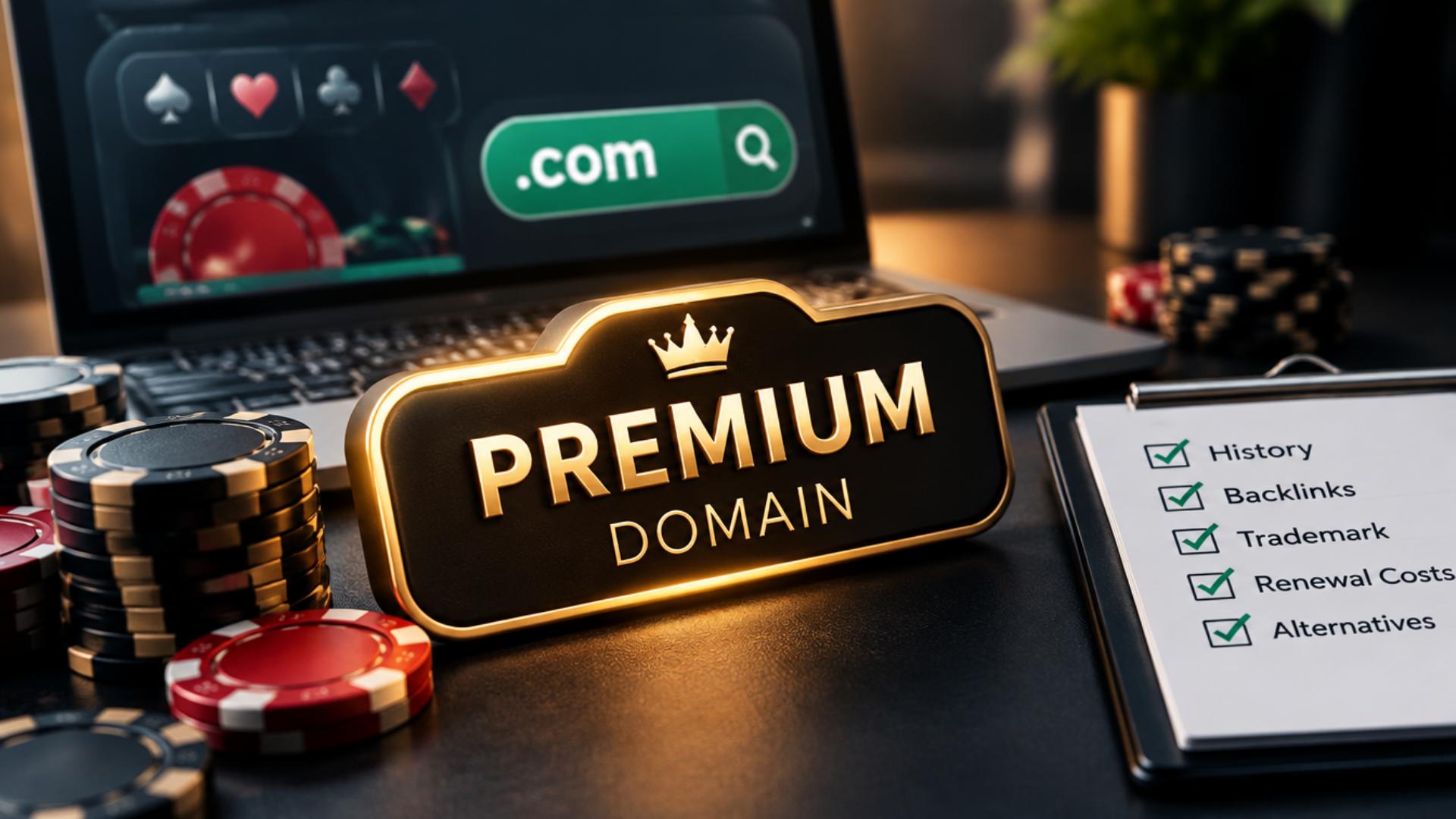
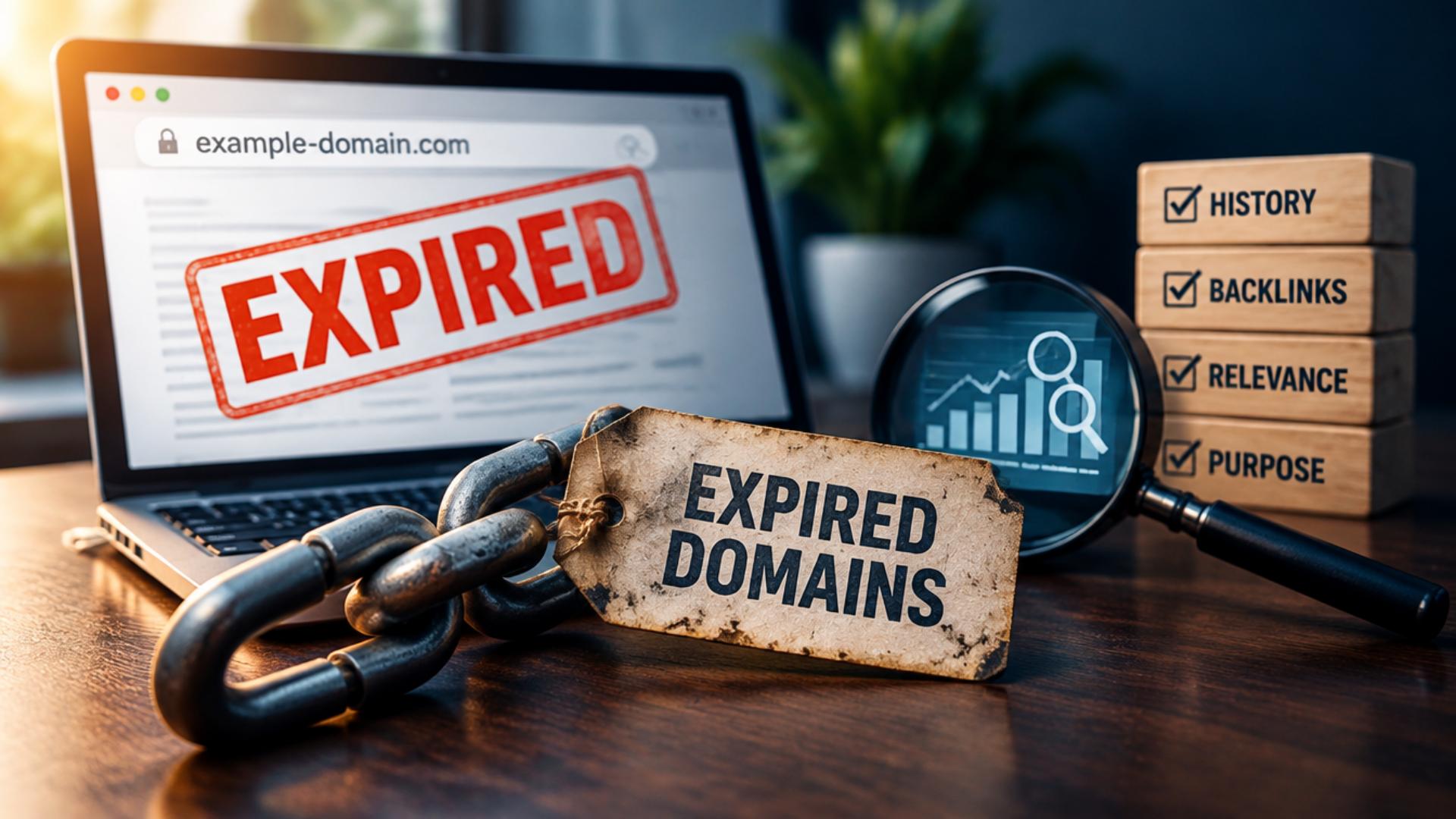
Not every expired domain is an opportunity. Its potential depends on what remains from its previous use and whether those characteristics serve the next project.
A strong candidate may have a relevant history, legitimate links, residual visitors, brand recognition, or a name that fits a commercial market. None of these guarantees rankings or revenue, so evaluate them together rather than treating them as automatic advantages.
Relevant Domain History
Start with the site’s previous use. Archived pages can show what the name was associated with, what topics it covered, and whether its purpose remained consistent over time.
This matters because the intended use should make sense in relation to that history. A name previously associated with one niche may be less suitable for a completely unrelated project. A history filled with unrelated changes or questionable content also deserves closer scrutiny.
Quality Backlinks and Referring Domains
A large backlink count does not necessarily make a name valuable. What matters is where those links come from, what they reference, and whether the relationship is relevant.
Links from legitimate, topic-related websites can provide useful historical context. By contrast, a profile dominated by unrelated or suspicious sources should not be treated as an asset simply because the total number is high.
Existing Traffic or Brand Recognition
Some names continue to receive visitors after the original site disappears. People may type the address directly, follow older links, use bookmarks, or recognize the former business or publication.
If existing traffic is part of the investment case, verify that it is current and genuine. Historical traffic alone does not prove visitors will keep arriving after the name changes hands.
Commercial Potential
A name also needs a realistic use case. A short and memorable brand can appeal to a future buyer, while a relevant name may provide a natural starting point for a content site, service business, or lead-generation project.
The key question isn’t whether the name has impressive metrics. It is whether someone would have a reason to pay for it, visit the resulting site, or use the business built around it.
Once a name passes the initial evaluation, the next decision is how to generate revenue. The five approaches below rely on different sources of value, so the right choice depends on what the asset offers and how much work you are prepared to put into it.
Flip the Expired Domain for a Profit
The simplest model is domain flipping: buy a name for less than a potential buyer would pay and resell it for more.
For this approach, the name itself is the main product. Brandability, memorability, commercial relevance, length, and potential market use can all affect buyer interest. A strong resale candidate should have an identifiable audience of potential buyers, not just a high third-party SEO score.
The purchase price is equally important. Auction bids, renewal fees, marketplace charges, and the time spent holding an unsold name all reduce the eventual margin.
A basic calculation is:
Sale price − acquisition and related costs = potential profit
The difficult part is estimating the sale price before committing money. Comparable sales, likely end users, and the name’s practical applications provide more useful evidence than assuming an attractive metric will translate into a buyer.
Build a Website and Monetize Its Traffic
Another approach is to use the name as the foundation for a new website. Instead of selling the asset itself, the goal is to build an audience and earn from the attention it generates.
Possible revenue sources include:
- Affiliate commissions
- Display advertising
- Products
- Services
- Sponsorships
- Other relevant commercial offers
The site’s subject should match the name and, where appropriate, its previous use. From there, the focus shifts to useful content, a defined audience, and a clear path from visitor to revenue.
Affiliate marketing is a good example. Google does not prohibit affiliate sites simply because they contain affiliate links. The problem is thin affiliate content that provides little original value. Google specifically gives examples of useful affiliate pages that add information such as original reviews, testing, comparisons, pricing details, or other meaningful features.
The key point is that the old registration doesn’t create income. The website, audience, and offer do.
Build an Expired Domain Into a Lead-Generation Website
A lead-generation site uses useful information and conversion pages to attract people who are looking for a particular service. You can then sell qualified inquiries to a business or handle them through a referral arrangement.
This model makes the most sense when the name clearly connects to a commercial niche. For example, a relevant local or industry-focused name could support informational pages that answer common customer questions and guide visitors to request a quote or contact a provider.
The connection between the audience and the service is critical. An unrelated name with a large backlink profile does not automatically become a good lead-generation asset.
Revenue comes from the leads generated, not from the expired status itself. That means content quality, search visibility, conversion paths, and the value of each qualified inquiry all affect the economics.

Build and Sell the Entire Website
Instead of reselling the name by itself, you can develop a complete website and sell the finished asset.
The difference is important:
- Domain flipping: sell the name.
- Website flipping: sell the name along with the website, content, traffic, revenue, and other assets developed around it.
A completed site gives a buyer something more tangible than an undeveloped registration. Useful content, consistent traffic, revenue history, established processes, and a defined audience can all contribute to the appeal of the finished business.
The trade-off is the amount of work involved. You need to develop the site, build an audience, create a viable revenue model, and document its performance before you have a mature asset to sell.
Monetize Genuine Residual Traffic With Parking or a Landing Page
Some names continue to attract visitors after the original site disappears. If those visits are genuine, you can monetise them while deciding what to do next.
Domain parking places a temporary page on the name, often with advertising. Its potential depends heavily on actual visitor activity. A name with no meaningful traffic is unlikely to produce significant parking revenue. A relevant landing page can provide another option. Instead of sending visitors to generic ads, it can direct them to a related service, product, sales inquiry, or lead form.
Parking remains a possible use, but current industry coverage indicates that the economics of traditional parking have become less dependable, particularly for names without direct or residual traffic. That makes traffic verification particularly important. A backlink profile may look impressive while producing little or no actual visitor activity.
How to Check an Expired Domain Before You Buy
A name can look attractive in an auction and still be a poor investment. Before committing money, review the factors that determine whether the registration has a usable asset behind it.
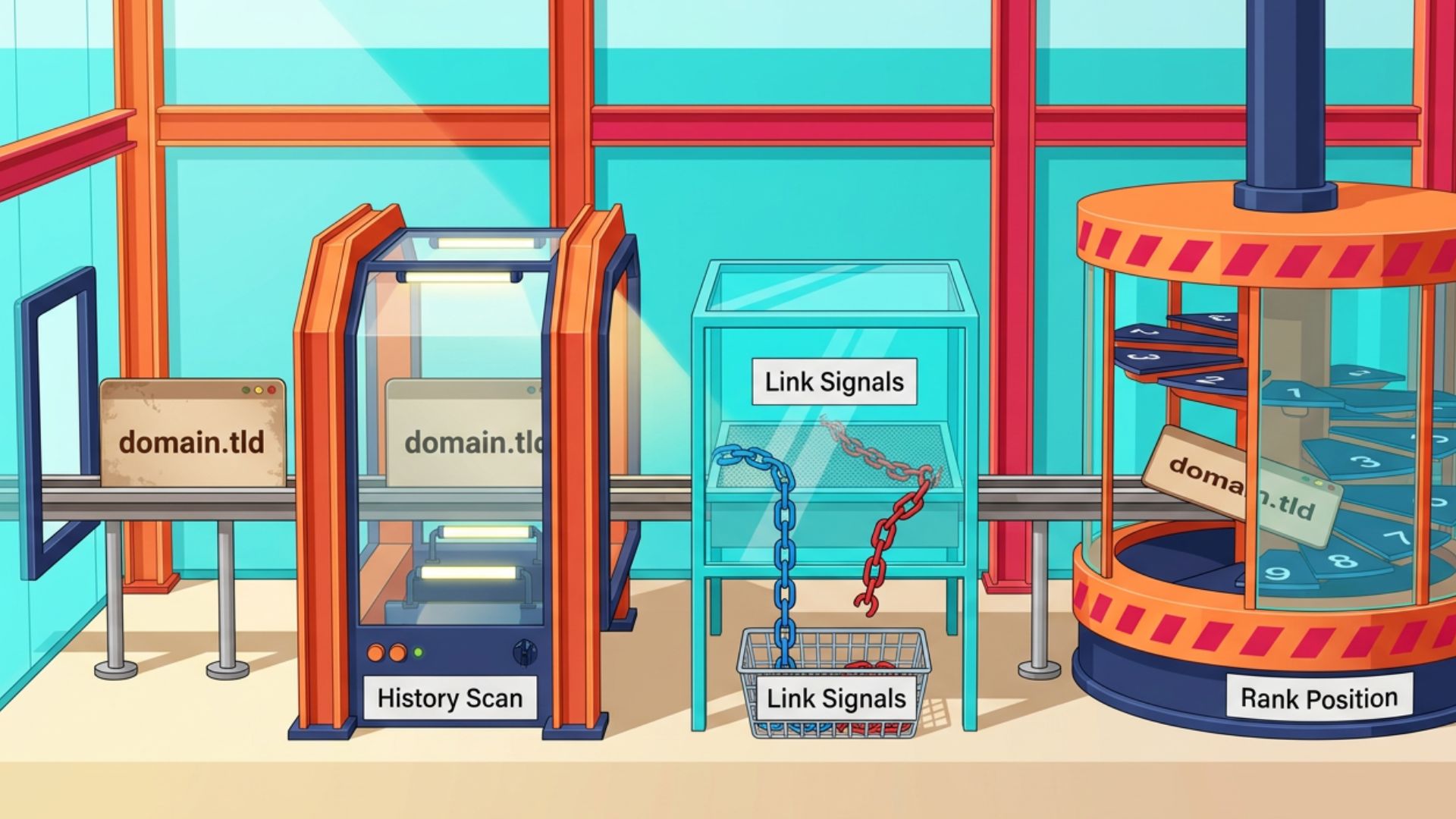
- Review its history. Use archived versions of the site to understand its previous purpose, topics, and major changes. Consistent, relevant use provides more useful context than a history of unrelated niches or questionable pages.
- Analyze the backlink profile. Look at referring websites, link context, anchor text, and the pages receiving links. Quality and relevance matter more than the raw number of backlinks.
- Check current traffic and search visibility. Historical visitors are not the same as current visitors. If traffic is part of the investment case, use reliable data to determine whether people are still reaching the site and whether it retains meaningful search visibility.
- Look for spam or previous abuse. Unrelated content, suspicious links, and repeated changes in purpose can indicate that the name was previously used in ways that create additional risk.
- Check trademarks and brand conflicts. A commercially attractive name can still create legal problems if it infringes an existing trademark or closely imitates an established brand.
- Calculate the full cost. Include the purchase price, renewal, hosting, development, content, marketing, marketplace fees, and other expenses required by the chosen business model. A low auction price does not automatically mean a low total investment.
Current domain-investment guidance similarly emphasizes reviewing backlinks, traffic, site history, index status, trademarks, ownership history, anchor text, and other risk signals rather than relying on a single metric.
Common Mistakes That Can Turn an Expired Domain Into a Loss
Even a promising name can become a poor investment when you overstate its potential. Watch for these mistakes:
- Relying only on SEO metrics. Third-party scores can help with initial research, but they do not establish traffic, buyer demand, or revenue potential.
- Ignoring its previous use. A name associated with an unrelated niche or questionable content may not fit the project you intend to build.
- Assuming backlinks guarantee results. Old links do not automatically produce visitors or rankings. Their quality, relevance, and current status matter.
- Overpaying or underestimating costs. Include acquisition, renewal, development, content, hosting, marketing, and other expenses before deciding what the investment is worth.
- Using it primarily to manipulate rankings. Google defines expired-domain abuse as purchasing an expired name and repurposing it primarily to manipulate Search rankings with content that provides little or no value to users. Google also maintains separate policies against link spam and other ranking-manipulation practices.
A legitimate project is different. Google states that using an old name for a new, original site designed to serve people is allowed.
Conclusion
Making money with expired domains starts with identifying an asset that has a realistic use, not simply finding one that has become available. History, backlinks, traffic, commercial appeal, acquisition cost, and the intended business model all affect its potential.
Whether you plan to resell the name, build a revenue-generating site, generate leads, sell a completed website, or use genuine residual traffic, the same principle applies: registration alone does not create value. What you build, sell, or monetize around it does.