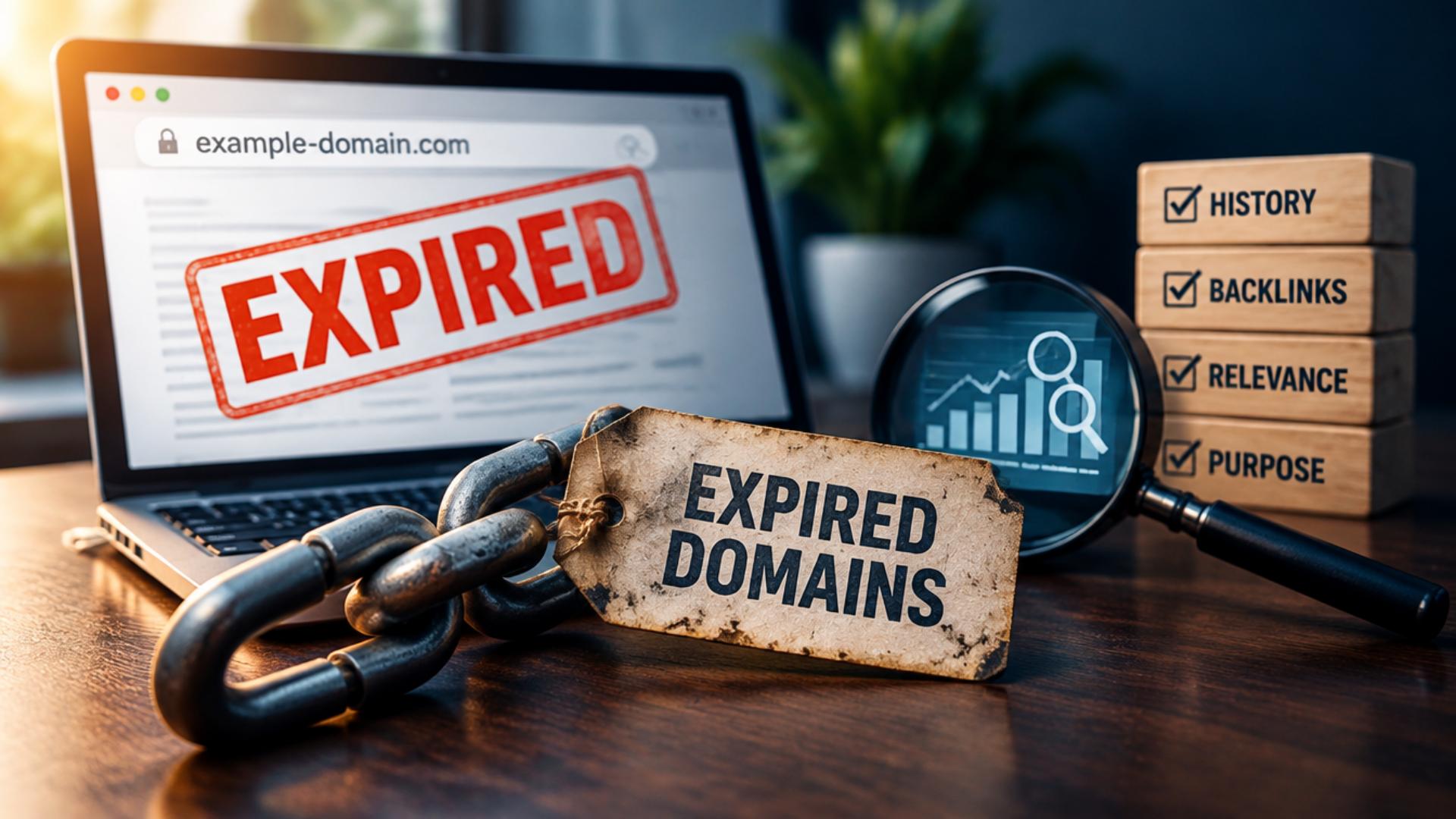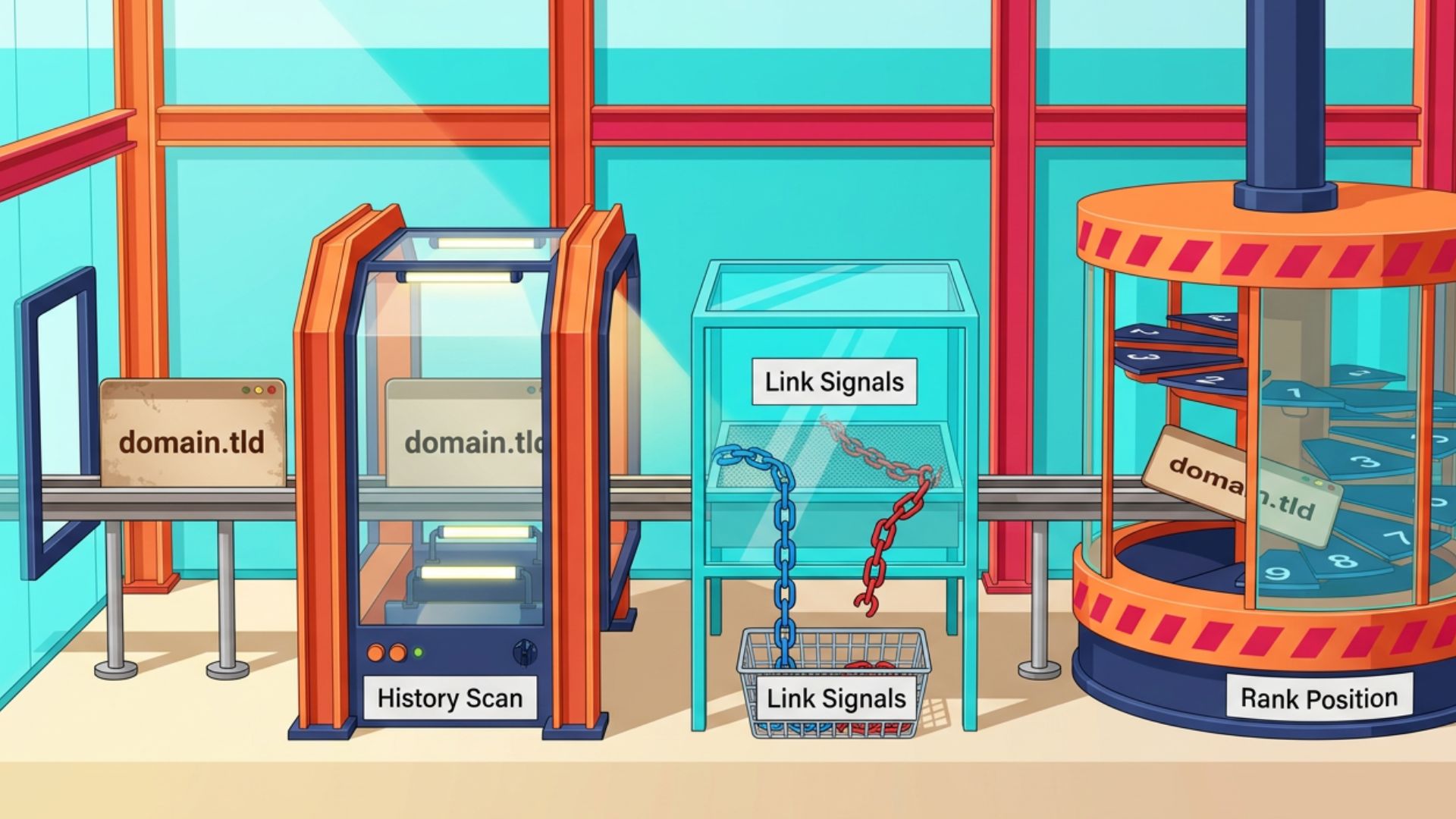

A desirable domain can become available again after its previous registration ends, but securing it is not as simple as registering it when it appears in a search. Once a name is released, multiple buyers and automated systems may attempt to claim it at nearly the same time. Domain drop catching lets you compete for these names through automated registration attempts when they become available. However, catching one is only part of the process. Knowing which opportunities are worth pursuing and how to use them properly is what makes the strategy useful.
What Is Domain Drop Catching?
Domain drop catching is the process of registering a domain immediately after the registry deletes and releases it. It is mainly used for names that someone wants to acquire but expects to become available again after the previous registration ends.
The important distinction is that an expired registration does not immediately make the name available to everyone. Depending on the registrar and TLD, the original registrant may still have an opportunity to renew or restore it, or the name may be handled through another process before deletion.
Once the registry releases the name, you can try to register it. Because multiple buyers may be waiting for the same name, automated systems often submit registration requests as soon as it becomes available.
How Does Domain Drop Catching Work?
A name doesn’t become available for registration the moment its owner lets the registration expire. It can pass through several stages first, and the exact process depends on the registrar and TLD.
1. The registration expires
When the registrant does not renew, the registrar can place the name into an applicable post-expiration period. Depending on the registrar’s policies, the original registrant may still be able to renew it. That is why an expiration date alone doesn’t tell a prospective buyer when the name will actually become available.
2. The name goes through the applicable post-expiration process
After expiration, the registrar may continue to offer renewal or recovery options. Some names can also be handled through registrar-specific auctions or other processes before deletion. As a result, not every expired domain reaches a public drop. Buyers need to understand the current status rather than assume an expiration date guarantees future availability.
3. The name enters Pending Delete
For domain extensions that use this lifecycle, Pending Delete indicates the name is approaching deletion after the applicable redemption period ends. Under the standard ICANN EPP status description, a name in this state will remain there for several days before it is purged from the registry database. Once deleted, it becomes available for re-registration under the registry’s policies.
For many gTLDs, the standard process includes a 30-day Redemption Grace Period followed by a five-day Pending Delete period. However, the exact lifecycle can vary by TLD and registrar, so don’t assume a single universal expiration timeline.
4. The registry deletes and releases the name
After the applicable deletion period ends, the registry removes the registration record. The name can then become available for a new registration.
This is the point that matters most to drop catchers. The window is short before another registration request succeeds.
5. Automated systems attempt registration
Drop-catching services can submit automated registration requests as soon as the registry releases the name. This differs significantly from manually searching for the name and attempting to register it after it becomes available. A backorder is a request placed with a service to attempt the acquisition. It does not guarantee success. Another service or buyer may obtain the name first.
What happens when several buyers target the same name?
Competition can continue even after a service successfully catches it. Some providers send a successfully acquired name to an auction when multiple customers have placed backorders. The exact rules depend on the provider.
The important point is that the release itself is only one part of the process. Buyers may need to compete for both the registration and, in some cases, the final acquisition.
How to Identify a Domain Worth Catching
Registering a name successfully does not necessarily mean it was worth pursuing. Before placing a backorder or competing for it, check whether the opportunity makes sense for the intended project.
- Start with the name itself. Relevance, spelling, length, memorability, and brandability matter. A name that clearly fits the intended business or project is generally more useful than one chosen simply because it is available.
- Review its previous use. Check what the site was previously about and whether that history relates to the planned use. Major topic changes, repeated purpose changes, or evidence of spam deserve closer investigation.
- Examine the backlink profile. Look at where the links came from, whether they are relevant, and whether the overall pattern appears natural. A large backlink count alone does not establish value, particularly when many links are irrelevant or appear manipulated.
- Check historical content. Archived pages can reveal whether the name previously hosted a legitimate website, redirects, spam, or unrelated material. This context can uncover problems that aren’t obvious from the name itself.
- Look for trademark or brand conflicts. A memorable name can still create problems if it closely corresponds to an established brand or trademark. This is especially important when the name appears commercially attractive.
- Consider the intended use. There should be a clear reason to acquire it. If there is no sensible business, website, product, or project for the name, its previous history may not justify the acquisition cost.

How Can You Use Domain Drop Catching to Your Advantage?
The main advantage is the opportunity to secure a name that may otherwise be difficult to obtain. The value comes from having a clear purpose for the acquisition, rather than simply getting there before another buyer.
Secure a relevant name for a new project
A previously registered name can be useful when it closely matches a legitimate business, website, product, or project. If it is relevant and easy to remember, securing it can give the new project a suitable web address without negotiating with the previous owner.
Acquire a brandable name
Some names are worth pursuing because of the name itself. A short, memorable, and commercially relevant address can support branding even when its previous website provides little value to the new owner.
Build a relevant website
You can develop a previously used name into a new website when the planned use fits its identity and history. The new site should have a genuine purpose and provide useful content rather than relying on the previous registration as a shortcut to visibility.
Use historical information to make a better decision
Previous content, links, and usage provide context that can help determine whether an acquisition makes sense. Reviewing that information before spending money can reveal opportunities and reasons to walk away.
Do not treat an old registration as an automatic SEO shortcut
Don’t treat age, backlinks, or past search visibility as guaranteed ranking value for a new website. Google specifically identifies expired domain abuse as a spam practice when an expired name is repurposed primarily to manipulate Search rankings with low-value content.
The practical advantage, then, isn’t simply getting an older registration. It is finding a relevant name, acquiring it when it becomes available, and putting it to a legitimate use that makes sense for the new website or business.
What Can Go Wrong With Domain Drop Catching?
There is no guaranteed outcome. Several things can happen between identifying a target and actually putting it to use.
- It may never reach the public drop: The original registrant may renew or restore it, or the registrar may handle it through an auction or another process before deletion.
- The registration attempt may fail: Other buyers and competing automated systems may target the same name. A backorder only instructs the service to attempt the registration; it does not guarantee success.
- Competition can increase the acquisition cost: If several customers want the same name, a provider may use an auction after successfully catching it. The final price can therefore be higher than the standard registration fee.
- It may have a problematic history: A name that looks attractive may have previously been used for spam, manipulative link building, malware, or unrelated content. That history can make it unsuitable for the intended project.
- It may create a brand or trademark conflict: A commercially attractive name can closely resemble an established brand. Checking this before acquisition can help avoid unnecessary problems.
The distinction is important: successfully catching a name is not the same as successfully acquiring a useful digital asset. Registration can succeed even when the overall acquisition turns out to be a poor decision.
A Smarter Way to Approach Domain Drop Catching
A practical approach is to treat the process as a selection decision first and a registration race second. Before spending money to pursue a target, confirm the name fits the intended project and that its history raises no obvious concerns.
- Identify a potential target: Look for names with a clear purpose or relevance to the project.
- Check its status: Determine whether it is expired, in an auction, pending deletion, or already available.
- Review its history: Examine previous use, content, backlinks, and possible brand or trademark concerns.
- Decide whether it is worth pursuing: Consider its relevance and potential acquisition cost instead of assuming an older registration is valuable.
- Choose the appropriate acquisition method: Depending on its status, this could mean direct registration, an auction, or a drop-catching/backorder service.
- Evaluate it again after acquisition: Confirm the name suits its intended purpose before investing more time or money.
The goal is not to catch every name that becomes available. It is to identify the right opportunities and pursue them for a clear reason.
Conclusion
Domain drop catching lets you compete for names that become available after deletion, but registering one is only the first step. The better opportunity comes from choosing a name that fits the intended project, checking its history, understanding the acquisition cost, and giving it a legitimate purpose. By evaluating the opportunity before placing a backorder and avoiding assumptions about automatic SEO value, buyers can make more informed decisions about which names are actually worth pursuing.