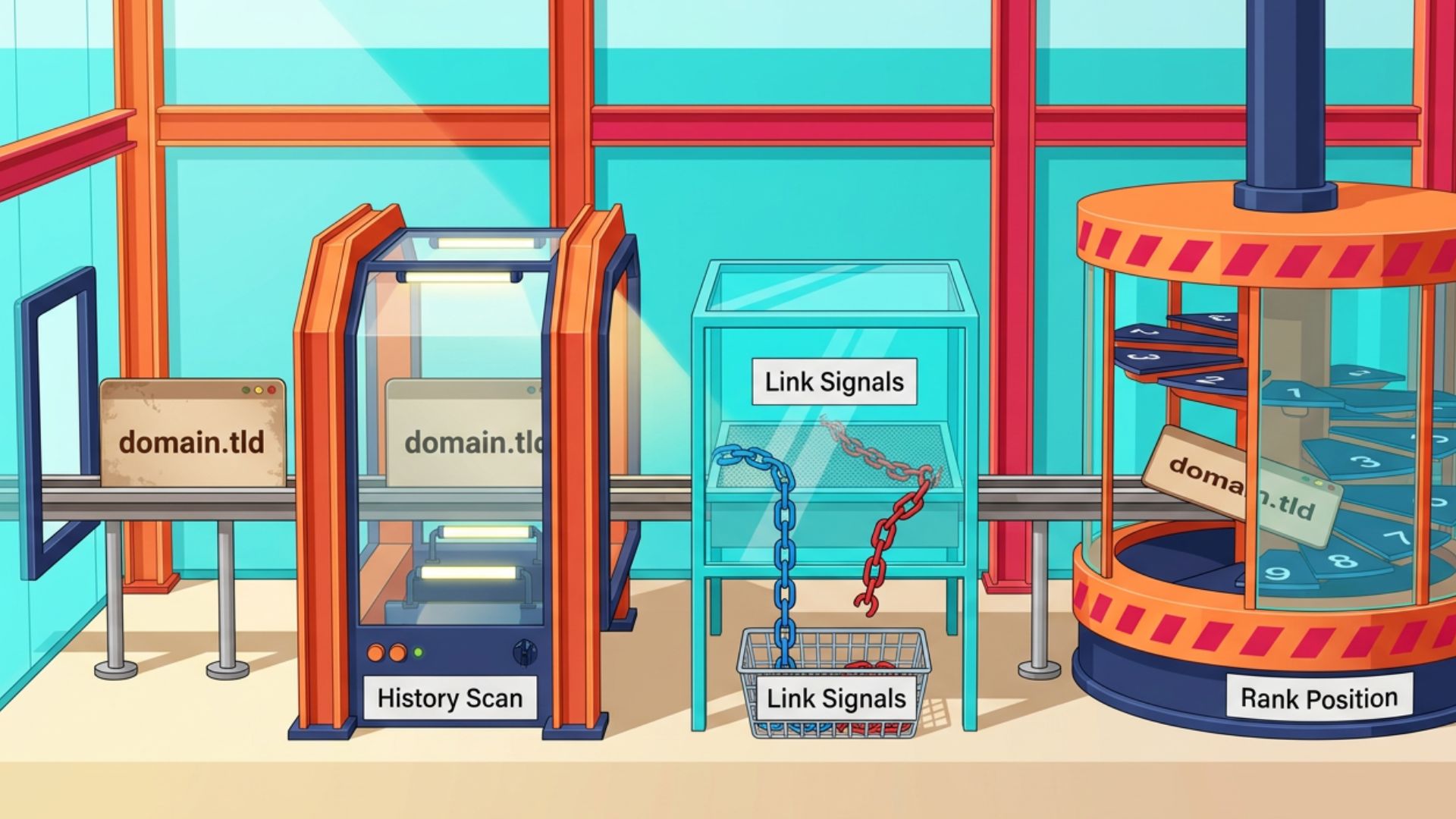

Letting a domain expire can cause more than a missed renewal. Depending on the registrar and extension, this may affect your website, email, and other services associated with it. You may still have time to recover the registration, but waiting too long can increase costs and eventually allow someone else to acquire the name. Understanding what happens after expiration helps you act before your options become limited. This guide explains the typical timeline, the risks at each stage, and what you can do to recover or protect your domain.
What Happens Immediately When a Domain Expires?
The expiration date marks the end of the current registration term, but it does not usually mean the name is immediately deleted or available for someone else to register. Instead, the registrar begins handling the expired registration in accordance with its own policies and the rules governing that extension.x
At this point, the previous registrant may still be able to renew it at the regular renewal price. However, the status of the website, email, and other connected services can vary. Some registrars may keep them working temporarily, while others may suspend or redirect services as the expiration process continues.
The most important thing to understand is that you should not assume there is a guaranteed grace period. The time available to renew, the cost of recovery, and what happens to the name next can differ between registrars and TLDs. Renewing it as soon as possible is the safest option, especially if it supports an active website, business email, or other critical services.
Domain Expiration Timeline: What Usually Happens Next?
There is no single timeline that applies to every expired domain. The process can vary based on the registrar, the top-level domain (TLD), and, in some cases, the registry’s policies. Still, many registrations follow a similar path after expiration.
The registration may first remain eligible for renewal through the registrar. If it is not renewed, the name can enter a registrar-specific process, such as an expired-domain auction, or progress to registry-level stages, such as redemption and pending deletion. Once it is finally released, another person may be able to register it.
The timeline below explains what typically happens at each stage and, more importantly, when your options begin to narrow.
| Stage | What Happens | Can You Still Recover It? | Main Risk |
| Post-expiration | The registration has expired but may still be eligible for renewal | Usually, depending on the registrar | Service disruption or missing the renewal window |
| Registrar process or auction | Some registrars may auction or otherwise dispose of eligible expired names | Possibly, depending on the registrar’s policy | Losing the name before it reaches public registration |
| Redemption period | The registration may still be restored after deletion, often for an additional fee | Usually, if restoration is available | Higher recovery costs and limited time |
| Pending delete | The registration is scheduled for deletion and can generally no longer be restored | Generally no | Permanent loss |
| Release or re-registration | The name is deleted and may become available again | No automatic recovery right | Someone else registering or acquiring it |
The exact order and duration of these stages can differ. That is why the following sections should be viewed as a typical expiration lifecycle rather than a guaranteed schedule for every registrar or extension.
Post-Expiration and Registrar Renewal Period
After the registration expires, you may still be able to renew it through your registrar. The length of this window varies, and there is no standard grace period that applies to all extensions or providers.
During this time, the website, email, and other connected services may continue to work, be suspended, or be redirected, depending on the registrar’s policy. If renewal is still available, acting quickly is usually the simplest and least expensive way to keep the name.
Do not rely on a fixed number of days. Check your registrar’s expiration policy and account status immediately, as the next stage may involve additional fees or a separate recovery process.
Expired Domain Auctions or Other Registrar Processes
Some registrars do not simply wait for an expired registration to be deleted. They may place eligible names into an auction or another disposition process before they reach the registry-level deletion stages.
This means an expired domain may never become available for normal registration. In some cases, the previous registrant may still have the right to renew it, even after bidding has started. If that happens, the auction can be canceled.

If you are trying to recover your own name or register an expired one, check the registrar’s current policy instead of assuming it will eventually be released to the public.
Redemption Period
If the registration reaches the redemption stage, renewing it will no longer be enough. Recovery usually requires a restoration request through the registrar and may involve an additional redemption or restoration fee.
For applicable TLDs, this stage offers a limited opportunity to recover a deleted registration before it is permanently removed. The exact availability, process, and cost can vary by registrar and extension.
At this point, delaying further can be expensive. Check the current status immediately and contact the registrar if a restoration option is still available.
Pending Delete
If the registration is not restored during the redemption period, it may enter pending delete. At this stage, recovery is generally no longer possible through the registrar.
For applicable gTLDs, the pending delete period typically lasts 5 days before the registry purges the registration. After that, the name may become available for registration again, although the exact release process can vary.
Once a registration reaches this stage, the original registrant has little control over what happens next. If the name is valuable, another party may be ready to register it as soon as it is released.
Release and Re-Registration
After the registry deletes the registration, the name may become available again. However, availability does not guarantee that you will have time to register it yourself. Valuable names are often targeted by backordering and drop-catching services that attempt to register them as soon as they are released.
In other cases, the name may have already been acquired through an expired-domain auction and never reach open registration. Once another party successfully registers it, the previous owner has no automatic right to reclaim it.
What Can Go Wrong When a Domain Expires?
An expired registration can affect more than the website itself. The impact depends on how the name is used, the registrar’s handling of expired registrations, and how long the issue remains unresolved.
Website and DNS Disruptions
If the registration is suspended or its DNS stops resolving correctly, visitors may no longer reach the website. The site may display an error, stop loading, or be replaced with a parking or expiration notice, depending on the registrar and DNS setup.
Business Email Can Stop Working
Email addresses that use the expired name can be affected when the related DNS records stop resolving. This can interrupt customer communication and cause problems with password resets, account verification, invoices, and other automated messages sent to those addresses.
Connected Services and Subdomains May Fail
Any service that relies on the name or its DNS records can be affected. This may include subdomains, APIs, customer portals, application endpoints, and authentication or callback URLs. The more services connected to it, the wider the potential disruption.
SEO and Traffic Can Be Affected
A short interruption does not automatically erase a site’s search visibility, but extended downtime can prevent search engines and users from accessing its content. Over time, this can affect indexed pages, organic traffic, and rankings. If another party later acquires the name and uses it for unrelated content, the original business may also face brand and reputation issues.
Someone Else May Acquire the Name
If recovery is no longer possible, the registration may be sold through an auction or registered by another party after release. The new owner is not required to return it, and the previous registrant may need to negotiate to buy it back or move to a different web address.
How to Check an Expired Domain’s Current Status
To check a domain’s current status, start by logging in to the account that manages the registration. The registrar should show whether it is still eligible for renewal, requires restoration, or has entered a later stage in the expiration process.
If you no longer have access to the account or need additional information, an RDAP lookup may show the current registration status and registrar. Status codes such as redemptionPeriod or pendingDelete can indicate that the name has moved beyond a standard renewal stage.
If the status is unclear, contact the registrar directly. It can confirm whether recovery is still possible, what action is required, and whether additional fees apply.
How to Prevent Your Domain From Expiring
The simplest way to avoid service disruptions and recovery costs is to renew important registrations before they expire. A few basic precautions can reduce the risk of missing a renewal date:
- Enable auto-renewal: Make sure the option is active and that your payment method is still valid.
- Keep contact details current: Renewal notices are only useful if they reach an email address you regularly monitor.
- Renew critical names early: Do not rely on a grace period, especially for names connected to business websites, email, or essential services.
- Maintain a registration inventory: If you manage multiple names, track their expiration dates and the accounts they are registered to.
- Protect access to your registrar account: Losing account access near an expiration date can delay renewal or recovery.
For a business, expiration management should be treated as part of regular website and IT maintenance, rather than as a task handled only when a renewal notice arrives.
Conclusion
An expired domain is not always lost immediately, but the longer you wait, the fewer options you may have to recover it. What happens next depends on the registrar, extension, and stage of the expiration process, but delays can lead to service disruptions, additional recovery costs, or permanent loss of the name.
The safest approach is to renew important registrations before they expire. If one has already lapsed, check its current status and contact the registrar as soon as possible to determine whether renewal or recovery is still available.