
Finding a good domain name can be difficult when the one that fits your business or project is already registered. In some cases, the name may become available at auction, giving you a chance to compete for it rather than waiting for it to be released or choosing another option. But bidding successfully takes more than placing the highest offer. You need to understand how these sales work, know what makes a name worth pursuing, and have a clear limit before competition drives the price higher. This guide explains how domain auctions work and how to approach them strategically.
What Are Domain Auctions and How Do They Work?
A domain auction is a competitive sale where buyers place bids to acquire a registered domain name. Instead of paying a fixed asking price, participants compete against one another, and the highest qualifying bid at the end generally wins. The exact rules vary by provider, so the same bidding approach does not work everywhere.
These sales can involve names that an owner has deliberately put up for sale, as well as expired registrations that have entered an auction process. Once it begins, buyers can review the listing, check its terms, and decide whether it is worth pursuing.
How a Domain Auction Works
The process is generally straightforward:
- The name is listed for auction. The listing shows information such as the starting bid, auction period, and applicable rules.
- Buyers research the listing. Before bidding, participants can review the name, its history, and any conditions attached to the sale.
- Bidding begins. Participants submit offers, with each new bid meeting the required minimum increment.
- The price changes as buyers compete. Some platforms use proxy bidding, allowing participants to set a maximum amount that the system can bid on their behalf.
- The auction closes. Depending on the platform, the sale may end at a fixed time or be extended when a bid arrives near the deadline.
- The winner completes the purchase. After the auction ends, the winning bidder must pay within the required timeframe and follow the provider’s process for receiving or transferring the name.
Some auctions also have a reserve price, which is the minimum amount the seller is willing to accept. If bidding does not reach that threshold, the highest bid may not be enough to complete the sale.
Because rules differ between providers, it is important to check the specific terms before placing a bid. Details such as proxy bidding, bid increments, closing rules, payment deadlines, and transfer procedures can affect how the auction plays out.
What Types of Domain Auctions Are There?
Domain auctions can start for different reasons, and the acquisition process depends on how the name entered the sale.
Expired-Domain Auctions
When a registrant does not renew a domain, the registrar may offer it through an expired-domain auction before it is released for general registration. The previous registrant may still have a renewal or redemption period, depending on the registrar, registry, and stage of expiration. Winning a bid therefore does not always mean immediate ownership.
Backorder Auctions
A backorder lets a buyer request an attempt to register a domain if it becomes available. If multiple buyers place backorders for the same name and the service successfully captures it, those buyers may compete in an auction.
Owner-Listed Auctions
A domain owner can voluntarily put a registered name up for auction. The sale is not related to expiration, and the seller may set conditions such as a reserve price or specific payment and transfer requirements.
Private Auctions
Some auctions restrict participation to selected buyers or a defined group. The available names and bidding conditions vary by organizer, so participants should review the eligibility requirements before bidding.
How to Choose a Domain Worth Winning
Winning an auction only matters if the name is useful for your business, website, or project. Before deciding how much to bid, check the factors that can affect its usefulness and risk.
- Match it to your purpose. The name should make sense for the business, audience, brand, or project you plan to build around it. Relevance is often more useful than chasing a popular name with little connection to your goals.
- Evaluate the name itself. Consider its length, spelling, pronunciation, extension, memorability, and potential for confusion with similar names. A short name is not automatically valuable if it is difficult to understand or use.
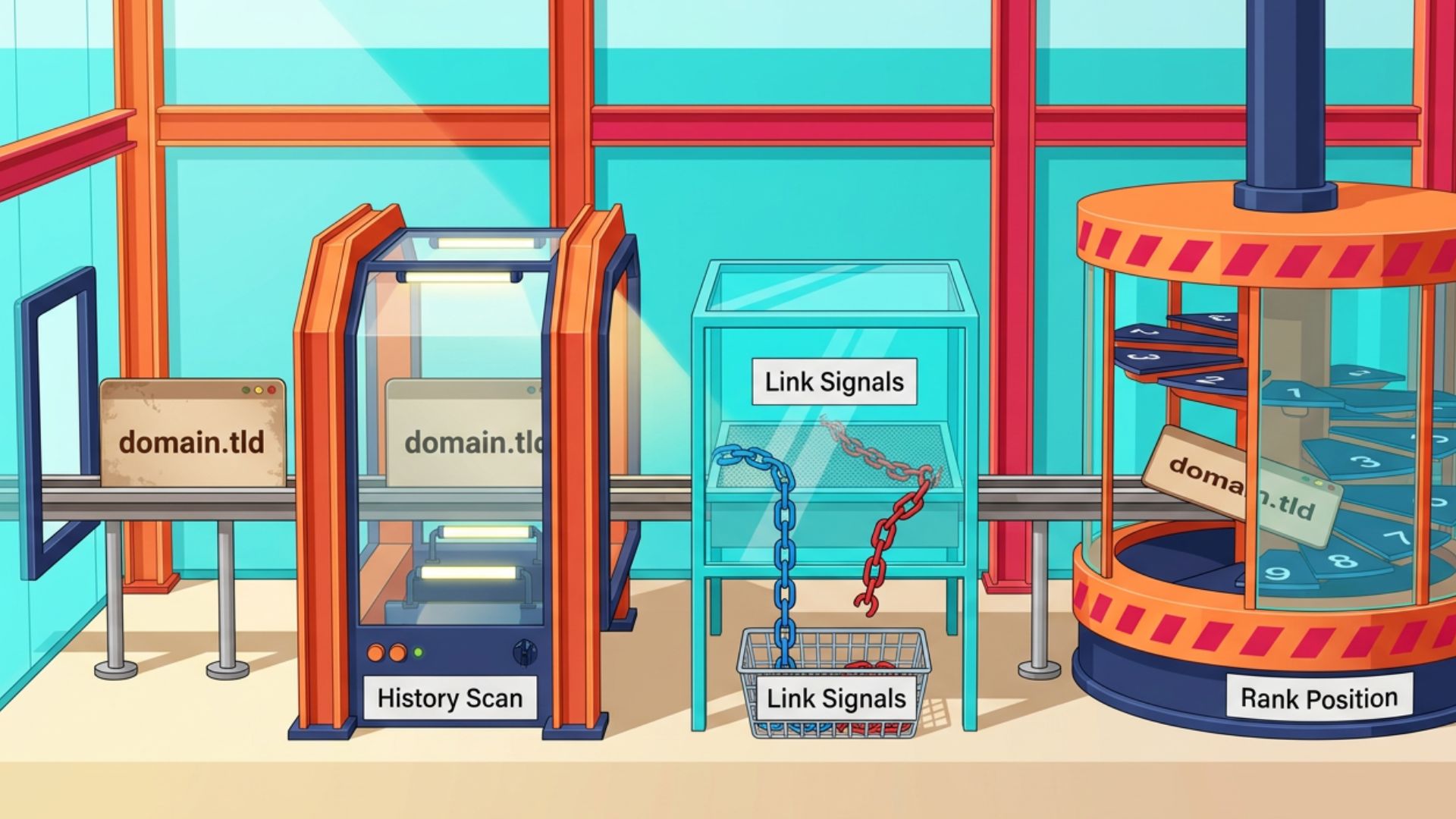
- Check its history. Review previous uses and ownership where possible. Historical snapshots can reveal whether it supported a legitimate site, repeatedly changed topics, or was used for spam, redirects, or unrelated content.
- Review its backlink profile. Look at the quality and relevance of the referring sites, the anchor text, and any unusual linking patterns. A large number of backlinks does not automatically indicate a valuable acquisition.
- Check for trademark conflicts. Search for existing trademarks or established brands that could create problems with your intended use. A name that looks attractive at auction may not be worth pursuing if it could create a legal dispute.
- Read the auction terms. Check whether bids are binding, when payment is due, what fees apply, how the transfer works, and whether the previous registrant can still renew the name. These conditions can affect both the cost and outcome of the purchase.

How to Win a Domain Auction
Winning a domain auction is not simply about placing the highest bid. The strongest approach is to research the name, establish a firm spending limit, understand the auction’s rules, and avoid letting competition dictate your decisions.
Determine What the Domain Is Worth
Consider the name’s relevance, brand potential, extension, memorability, comparable sales, and intended use. Historical value, such as a legitimate backlink profile, can also factor into your assessment, but it should not be treated as a guarantee of future traffic or rankings.
Set Your Maximum Bid
Decide the most you are willing to pay before bidding begins. Include applicable buyer fees, transfer costs, and renewal expenses in your budget. Once you reach your limit, stop rather than increasing it because another bidder is still competing.
Understand the Closing Rules
Check how and when the auction ends before deciding when to bid. Some platforms use a fixed closing time, while others extend the auction when a new bid arrives near the deadline. A late bid therefore does not always end the competition.
Use Proxy Bidding Strategically
If the platform supports proxy bidding, enter the maximum amount you are prepared to pay rather than manually increasing your bid every time someone competes with you. The system can place the required bids on your behalf, up to your stated limit.
Avoid Bidding Wars
Another bidder’s interest should not change what the name is worth to you. If the price keeps rising because two or more participants are determined to win, stick to your predetermined limit instead of treating the competition as something you have to beat.
Know When to Walk Away
If the bidding exceeds your maximum, let the auction go. A different name may meet your needs at a lower price, and another opportunity will eventually appear. Winning at any cost is not a successful buying strategy.
What Happens After You Win a Domain Auction?
Winning the auction is not the final step. You usually need to complete payment within the provider’s deadline before the name can be transferred to your account or registrar. Check the final price carefully, including any buyer fees, and review the provider’s instructions for completing the transaction.
Once the purchase is completed, confirm that the name appears correctly in your account and check its expiration date and renewal requirements. You may also need to update its DNS or name servers if you plan to use it for a website. The exact transfer and fulfillment process depends on the provider and type of auction.
Conclusion
Domain auctions can give you access to names that are no longer available through standard registration, but getting the right one requires more than winning the bidding. Research the name, understand the rules, assess its value, and decide your maximum price before competition begins.
When the bidding starts, stick to your plan. Use the available bidding tools wisely, avoid getting drawn into a bidding war, and walk away when the price no longer makes sense. The goal is not to win every auction, but to secure the right name at a price you can justify.