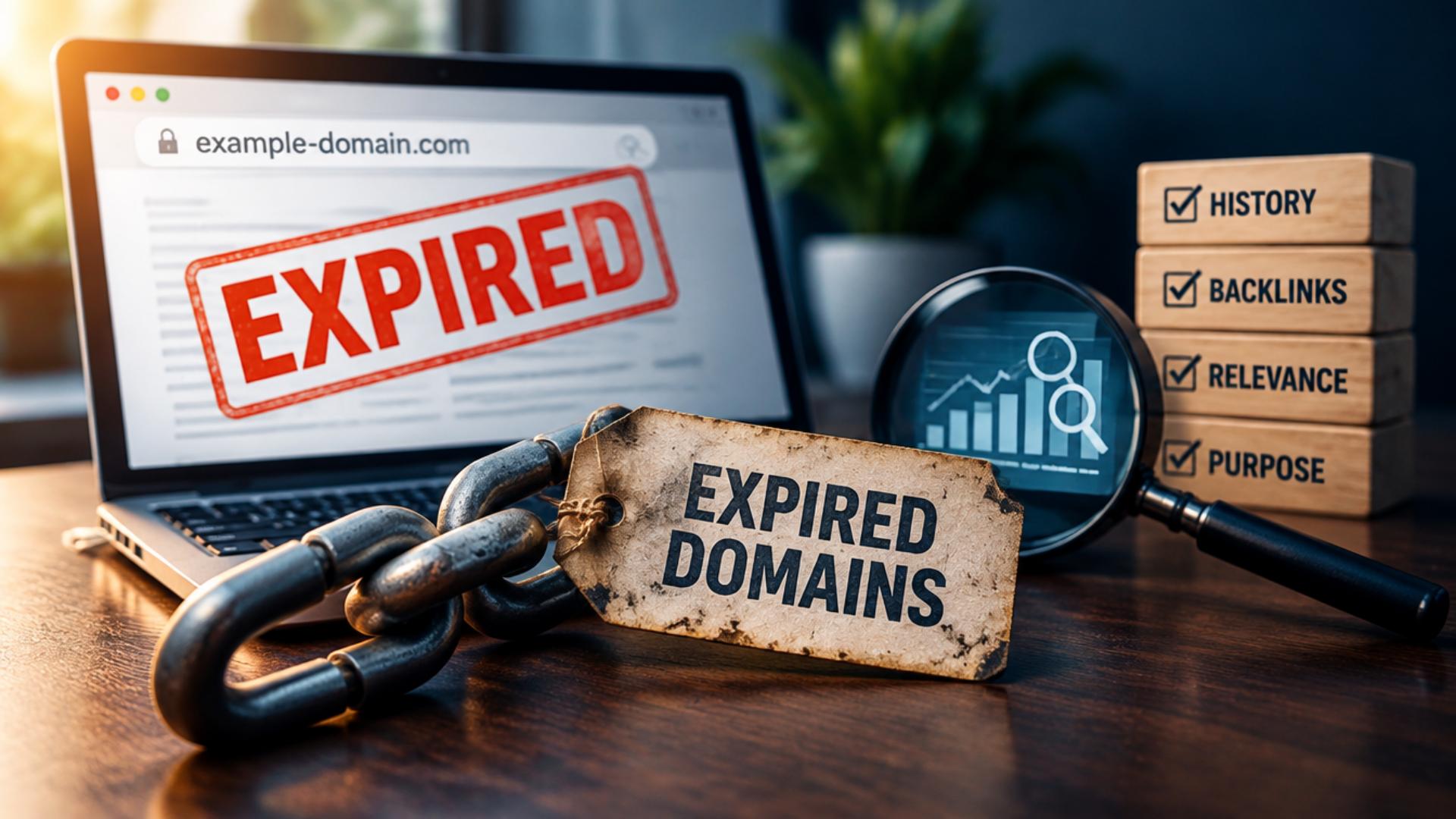
Expired domains can look attractive for building a private blog network (PBN), especially when they already have backlinks, historical content, or an established presence. But those signals do not automatically translate into lasting SEO value. A domain can also carry problems from its previous use, and links created primarily to influence search rankings can add further risk. Before investing in expired domains for a PBN, understand what makes one potentially valuable, what can reduce its value, and how Google’s current policies affect the strategy.
Why Are Expired Domains Used for PBNs?
Expired domains can attract Private Blog Network (PBN) operators because they may come with an existing backlink profile and a recognizable history. Unlike a new registration, you can review existing information before deciding whether the name is worth acquiring. However, you need to evaluate that history carefully rather than treat it as an automatic SEO advantage.
Existing Backlink Profiles
Some dropped domains still have links pointing to them from websites that referenced the previous site. This is one reason they can appear more attractive than a blank registration.
The number of backlinks is only a starting point. What matters is where those references came from, whether the sites are relevant, and how naturally the links were acquired. A large profile made up mostly of unrelated or low-quality sources may provide little practical value.
Domain History and Age
Age can provide more historical information to investigate, but it does not make a name valuable by itself. The more useful question is how it was used over time.
Archived pages can show whether the site consistently covered a particular subject, changed direction several times, or was eventually filled with unrelated or spammy content. That context can reveal problems that a headline metric may overlook.
Greater Control Over Links
A PBN gives its operator control over the sites in the network and the links placed on them. This can make link placement more predictable than relying on independent websites to decide whether and where to reference a page.
That same control is important when considering Google’s policies. Google defines link spam as creating links primarily to manipulate search rankings, regardless of what the network is called.
Potentially Less Work Than Starting From Zero
A previously used name may already have content history, referring sites, and other information that a new registration lacks. That can give a buyer more to evaluate before launching a project.
It is not, however, a shortcut that eliminates the work involved. The site still needs research, rebuilding, maintenance, and a legitimate purpose. Previous activity can provide a useful starting point, but it can also bring problems that would not exist with a completely new name.
What Are the Potential Benefits?
The potential benefits come mainly from what an established domain may already have. These can make it more appealing than starting with a completely new registration, but none should be treated as a guaranteed ranking advantage.
Access to an Existing Backlink Profile
A previously active site may have accumulated references from other websites over time. If those referring sites are relevant and legitimate, the profile can provide useful historical value that a new registration lacks. Quality matters more than volume. A smaller number of relevant references can be more meaningful than thousands of links from unrelated or low-quality sources. Existing links should therefore be reviewed individually rather than assumed to retain value simply because they are still visible in an SEO tool.
Control Over Publishing and Linking
Operating multiple sites gives the owner greater control over where content is published and which pages are linked. This can make the timing and placement of references more predictable than relying on third-party publishers. That control has a clear practical attraction for someone managing a PBN. At the same time, it should not be confused with editorial authority. A link controlled by the same operator does not automatically carry the same weight as an independent recommendation from a relevant website.
Potentially Less Time Building a Site From Zero
A previously established site may already have a domain name, historical content, referring sites, and other signals worth investigating. This can reduce some of the initial work involved in establishing a new web presence. The benefit depends entirely on the quality of what remains. If the previous site has a poor record or an irrelevant profile, cleaning up the problems may take more time than starting fresh.
Ability to Select Domains With Relevant Historical Topics
Buyers can look for names whose previous subject matter aligns with the intended project. That can make the transition more coherent and provide a stronger basis for developing useful content for the same or a related audience. For example, a domain that previously covered a specific industry may be more relevant to a new project in that field than one with an unrelated history. Relevance does not guarantee search visibility, but it gives the acquisition a more logical foundation than choosing a name solely because it has a high third-party metric.
What Are the Downsides of Using Expired Domains for PBNs?
The appeal of an established name can make the purchase look straightforward, but the underlying asset may be less valuable than its metrics suggest. The main drawbacks involve hidden problems, ongoing costs, and uncertainty about how much useful value remains.
A Strong-Looking Domain Can Have a Problematic History
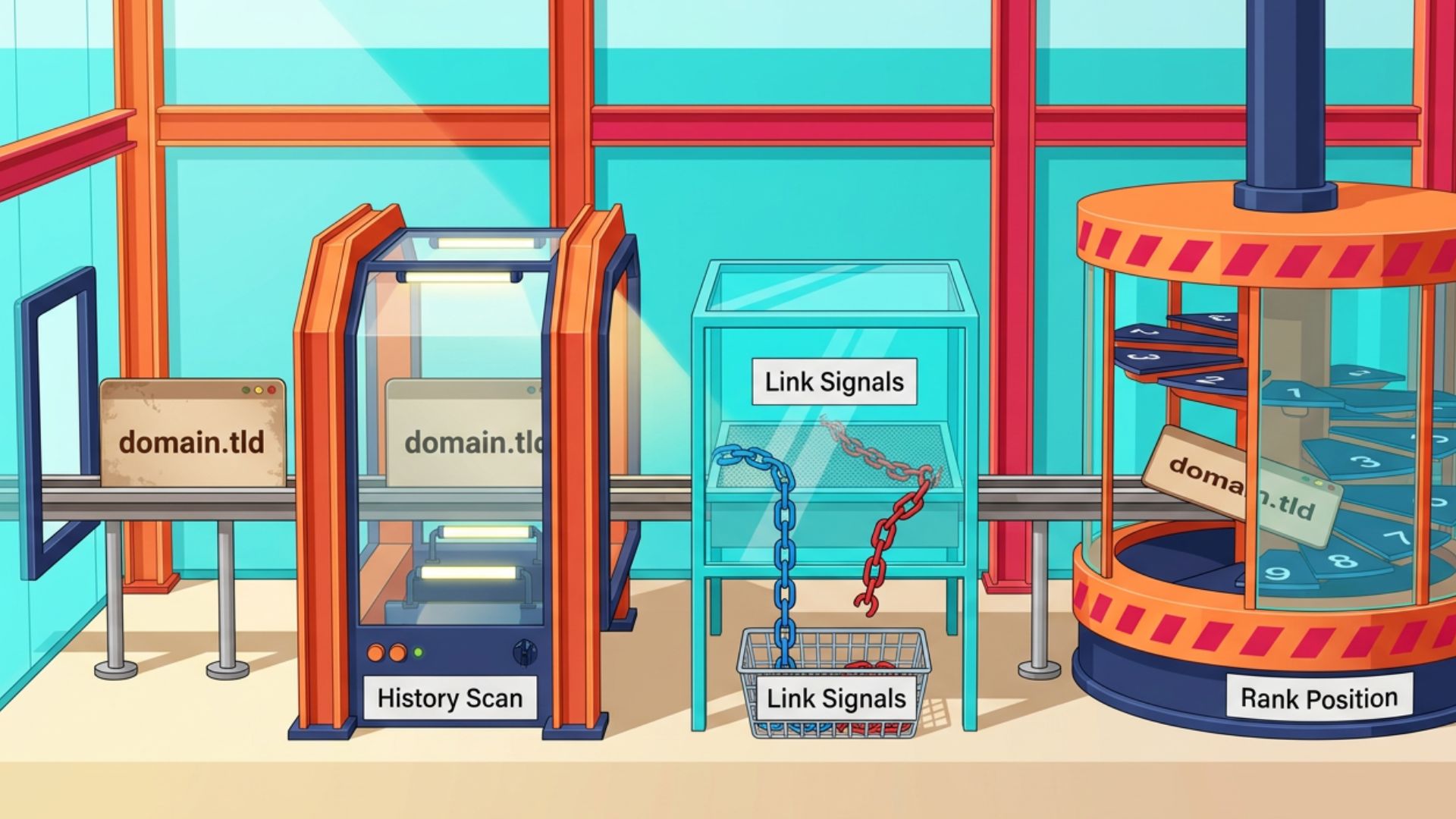
A domain can have impressive backlink numbers while carrying a poor record from its previous use. It may have been repurposed several times, hosted unrelated content, or accumulated links from low-quality sources. That makes historical research essential. Archived pages, previous topics, major changes in use, and the quality of referring sites can reveal problems that are not obvious from the current website or an SEO tool’s headline metrics.
Third-Party Metrics Do Not Guarantee SEO Value
Metrics such as Domain Rating (DR), Domain Authority (DA), and Trust Flow can help narrow down potential purchases, but they are not Google ranking scores. A high number does not tell you whether the referring sites are relevant, whether the links were earned naturally, or whether the profile contains questionable patterns. These measurements are useful for comparison and further investigation, not as proof that an acquisition will improve search visibility.
Domain Acquisition and Maintenance Can Become Expensive
The cost doesn’t end when you acquire the name. A PBN can require multiple registrations, hosting accounts, website builds, content, security updates, maintenance, and ongoing monitoring. Those expenses grow as the network expands. If individual sites require regular work but provide uncertain value, the total investment can become difficult to justify compared with other SEO activities.

Managing Multiple Sites Adds Operational Complexity
Running several websites creates more work than maintaining one. Each property may need its own content updates, software maintenance, security checks, backups, and troubleshooting. Neglecting one site can also leave the network with outdated or low-quality content.
The operational burden matters because the strategy depends on maintaining multiple sites over time, not simply purchasing a few names and leaving them untouched.
Any Ranking Benefit Is Not Guaranteed to Last
Even when a previously used domain appears to provide an advantage, there is no guarantee that the effect will continue. Google’s systems can identify and neutralize unnatural links, which can remove the ranking benefit they provide. This makes any expected search benefit uncertain, especially when the network’s primary purpose is to influence rankings rather than build sites that independently serve users.
The result is a strategy where the costs and maintenance requirements can continue even when the expected SEO benefit does not.
What Are the SEO Risks of Building a PBN?
The main concern is how you use the network and its links. Owning multiple websites is not, by itself, the issue; the risk increases when you create or use those sites primarily to manipulate search rankings.
Google’s link spam policy covers links created primarily to manipulate rankings. This can include links from sites or content built mainly to pass ranking signals rather than provide genuine value to users.
Expired domain abuse is a separate concern. Google defines it as repurposing an expired domain primarily to manipulate Search rankings with content that provides little or no value. Using an old domain for a new, original site that serves users is not automatically considered abuse.
Google can also neutralize the effects of unnatural links. Its link-spam systems are designed to identify manipulative linking practices, meaning a link that appears valuable today may not continue providing a ranking benefit.
If a site violates Google’s spam policies, it may experience lower rankings or disappear from Search. Google also uses manual actions for some violations, but that does not mean every PBN automatically receives a penalty.
How to Evaluate an Expired Domain Before Buying It
Evaluate an expired domain based on its full history, not a single SEO metric. Before buying one, check the following:
- Check its history and previous use: Review archived versions of the site to see what it published, whether its subject changed, and whether it was previously used for spam or unrelated content. The previous topic should also make sense for the intended project.
- Examine the backlink profile: Assess the quality and relevance of the linking sites, not just the total number of backlinks. Review referring domains and anchor text for unrelated, suspicious, or overly commercial patterns.
- Look beyond third-party metrics: DA, DR, Trust Flow, and similar measurements can help compare domains, but they are not Google ranking scores. Use them alongside backlink, history, and organic visibility data rather than treating them as proof of value.
- Check for practical and legal problems: Look for existing brands or trademarks associated with the name, then consider acquisition, hosting, content, and maintenance costs. If the domain only looks attractive because of one high metric, investigate further before buying.
Expired Domains vs. New Domains for PBNs
The main difference is the starting point. An expired domain may come with an existing record to investigate, while a new registration starts without previous-site history.
| Factor | Expired Domain | New Domain |
| Previous history | May have substantial history | None |
| Existing backlinks | May have backlinks | None initially |
| Historical risk | Requires investigation | Little or no previous-domain history |
| Vetting required | Extensive | Lower |
| Acquisition cost | Can vary | Usually straightforward |
| SEO value | Uncertain and domain-dependent | Must be established |
An expired domain provides more history to evaluate, but that history can include both useful and problematic signals. A new domain avoids those unknowns but also starts without any existing backlink profile. Neither option guarantees better search performance, so the choice should depend on the site’s intended purpose, available resources, and the quality of the domain.
When Is an Expired Domain a Legitimate SEO Asset?
An expired domain is not inherently problematic. Its use becomes more defensible when the new site has a genuine purpose, provides useful content, and makes sense for the audience rather than existing primarily to manipulate search rankings. Google explicitly distinguishes legitimate use of an old domain from expired domain abuse.
- Build a relevant, useful website: You can develop an old domain into a new site with original content that serves a real audience. The fact that the name previously belonged to another website does not automatically make the new project problematic.
- Continue or logically develop its historical topic: A site is easier to justify when its new purpose reasonably connects to what came before. Historical relevance does not guarantee ranking value, but it can provide a more coherent foundation for the new website.
- Acquire the name for a genuine business or publishing purpose: A domain may be worth buying because it fits a brand, business, publication, or legitimate project. In these cases, its value does not depend solely on using old backlinks to influence rankings.
The key distinction is purpose. Google states that using an expired domain for a new, original site designed to serve people is acceptable, while repurposing one primarily to manipulate Search rankings with low-value content can constitute expired domain abuse.
Conclusion
Expired domains can offer useful historical value, but that does not make them a reliable shortcut for building a PBN. Before purchase, consider their backlink quality, relevance, previous use, and ongoing costs.
More importantly, using these sites primarily to manipulate search rankings can create link-spam or expired-domain-abuse concerns under Google’s policies. An expired domain can still be a legitimate asset when you develop it into a useful website with a genuine purpose, but its value should extend beyond simply passing ranking signals.