
Private Blog Networks (PBNs) have long been a controversial topic in SEO. Some website owners use them to gain backlinks and improve search rankings, while others avoid them because they violate Google’s spam policies and can lead to serious consequences. Understanding how PBNs work and why they remain a debated link-building strategy is essential before deciding whether they’re worth the risk. In this article, you’ll learn what a Private Blog Network is, how it works, Google’s stance on PBNs, the risks involved, and safer alternatives for building backlinks.
What Is a Private Blog Network (PBN)?
A Private Blog Network (PBN) is a group of websites controlled by the same owner and used to create backlinks to another website, often called the money site. Instead of earning backlinks naturally, a PBN is built to influence search engine rankings by directing links from websites within the network.
In simple terms, a PBN is a collection of websites that exists primarily to link to a target website. These websites are managed by the same owner, allowing them to control when, where, and how backlinks are placed.
A network of websites is generally considered a PBN when it:
- Is owned or controlled by the same individual or organization.
- Exists primarily to create backlinks for one or more target websites.
- Is designed to influence search engine rankings rather than serve users with unique, independent content.
While a PBN is one type of website network, not every website network is a PBN. The key difference lies in its primary purpose, which we’ll cover later in this article.
How Does a Private Blog Network Work?
A Private Blog Network works by using multiple websites to create backlinks that point to a target website, often called the money site. The goal is to control backlink placement to improve the target website’s search engine rankings.
Build or Acquire a Network of Websites
The first step is to build a network of websites. Many PBN owners purchase expired or aged domains because they may already have an established backlink profile. Others use websites they already own. Each site is then populated with content to appear active and credible.
Add Backlinks to the Money Site
Once the websites are established, backlinks are placed within their content and directed to the money site. Because the same owner controls the entire network, they can decide which pages receive links, how often links are added, and what anchor text is used.
Pass Link Equity to Influence Rankings
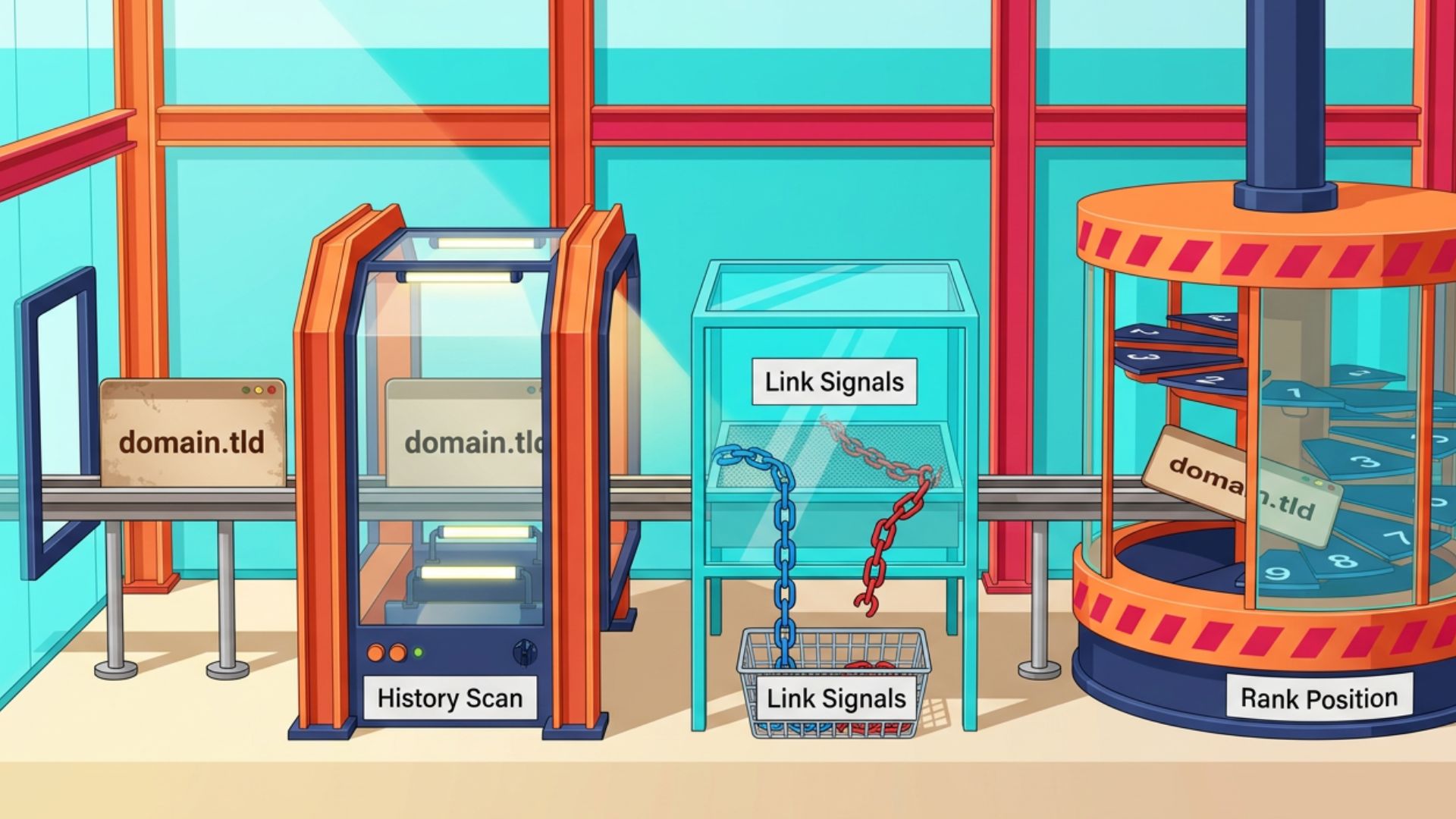
The backlinks are intended to pass link equity from the network websites to the money site, with the goal of improving its visibility in search engine results. Because these links are created under the same owner’s control rather than earned naturally, Google considers this practice a form of link manipulation.
Are Private Blog Networks Against Google’s Guidelines?
Yes. Private Blog Networks violate Google’s spam policies because they are designed to manipulate search rankings by creating backlinks that are not earned naturally. Google considers this practice a type of link scheme, which includes any attempt to influence search results through artificial or deceptive linking.

Google’s View on PBNs
Google encourages websites to earn backlinks by creating helpful, relevant content that other websites choose to reference. In contrast, PBNs rely on websites controlled by the same owner to create backlinks, primarily to influence rankings rather than to provide editorial value.
How Google Responds to PBNs
Google uses automated systems and manual reviews to identify link schemes that violate its spam policies. When PBN links are detected, Google may ignore or devalue those links, reducing their impact on search rankings. In more serious cases, websites that participate in link schemes may receive a manual action that affects their visibility in Google Search.
What Are the Risks of Using a PBN?
Using a Private Blog Network may provide greater control over backlinks, but it also introduces significant SEO risks. Because PBNs violate Google’s spam policies, their effectiveness is uncertain and may diminish over time.
Some of the most common risks include:
- Lower search rankings: If PBN backlinks lose their value, the target website may experience a decline in search visibility.
- Manual actions: Websites that violate Google’s spam policies may receive a manual action, which can reduce their visibility in search results until the issue is resolved.
- Devalued backlinks: Google may ignore backlinks from a PBN, preventing them from passing meaningful ranking signals.
- Loss of time and resources: Building and maintaining a PBN requires ongoing effort and investment, with no guarantee of lasting SEO benefits.
- Long-term SEO challenges: Recovering from link-related issues can be time-consuming, particularly if a website needs to remove or replace manipulative backlinks as part of its recovery strategy.
How Is a PBN Different From a Legitimate Website Network?
Owning multiple websites does not automatically mean you have a Private Blog Network. The key difference is the network’s primary purpose. While a PBN is built mainly to influence search rankings through controlled backlinks, a legitimate website network exists to provide value to users across its websites.
| Private Blog Network (PBN) | Legitimate Website Network |
| Built primarily to influence search rankings | Built to support a business, brand, or audience |
| Uses controlled backlinks to support a money site | Links between websites only when they are relevant and helpful |
| Websites are created mainly as part of a link-building strategy | Each website has its own purpose, content, and audience |
| Focuses on passing link equity within the network | Focuses on providing products, services, or information |
The defining factor is intent. If a network of websites exists primarily to manipulate search rankings by creating controlled backlinks, it functions as a Private Blog Network. If each website serves an independent purpose and links are added because they benefit users, the network is generally considered legitimate.
Conclusion
A Private Blog Network is designed to influence search rankings by using a controlled network of websites to create backlinks for a target website. While this approach may seem appealing because it offers greater control over link placement, it also violates Google’s spam policies and carries significant SEO risks.
Before using any link-building strategy, it’s important to understand how it works, the potential consequences, and whether it supports your long-term goals. Building a website with helpful content, genuine authority, and naturally earned backlinks remains the most sustainable approach to improving search visibility over time.