
Expired domains can give an SEO project a valuable head start, but finding one with genuine SEO value requires more than sorting a list by Domain Authority or Domain Rating. A domain may display impressive authority metrics while hiding a history of spam, irrelevant content, or low-quality backlinks that could limit its long-term value.
The key is following a structured evaluation process. In this guide, you’ll learn how to find high-authority expired domains, narrow your shortlist using SEO metrics, verify a domain’s history and backlink profile, and identify warning signs before deciding whether it’s worth purchasing.
What Makes an Expired Domain High Authority?
A high-authority expired domain is a previously registered domain that wasn’t renewed by its owner and has become available for registration or purchase. Some expired domains retain valuable SEO assets, including authoritative backlinks, referring domains, topical relevance, and an established online history that can make them attractive for future projects.
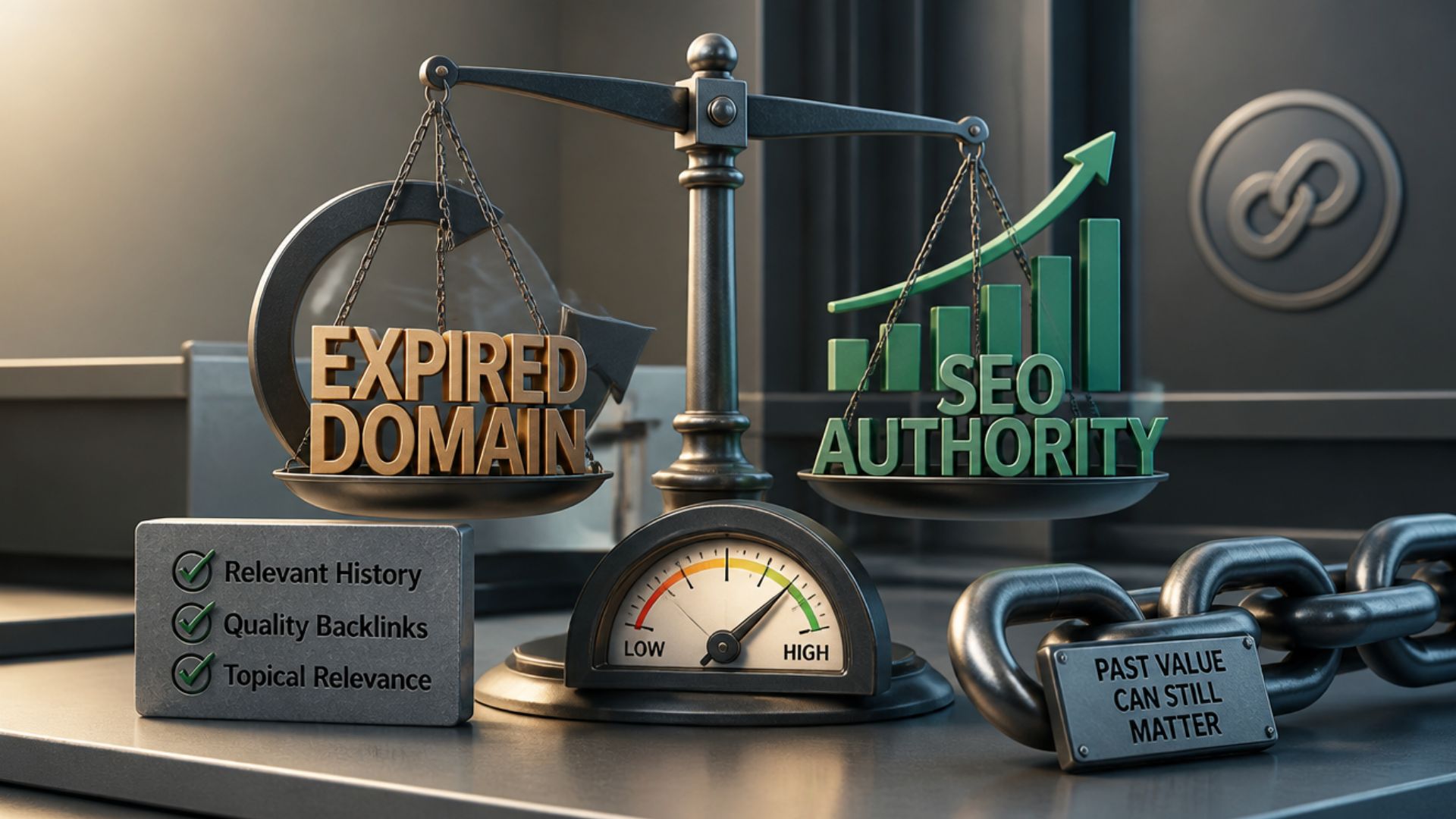
However, authority metrics alone don’t determine a domain’s value. Scores such as Domain Authority (DA), Domain Rating (DR), and Trust Flow (TF) are useful indicators. Still, they don’t reveal how the domain earned that authority or whether it remains trustworthy. A truly valuable expired domain combines strong authority metrics with a clean history, relevant backlinks, consistent topical focus, and no evidence of manipulative SEO practices.
In the following sections, we’ll walk through the process of identifying domains that meet these criteria and explain how to separate genuinely valuable opportunities from domains that simply look impressive on paper.
Why Use Expired Domains for SEO?
A high-authority expired domain can provide a stronger starting point than registering a brand-new domain. When it has a clean history and relevant backlinks, it may already possess authority and trust signals that would otherwise take years to develop through organic link building.
Common reasons for using expired domains include:
- Launch a website with an established foundation: Start with a domain that already has relevant backlinks and topical authority.
- Rebuild a niche website: Restore or recreate a website focused on subjects closely related to the domain’s previous content.
- Recover a valuable domain: Acquire a memorable or branded domain that has become available again.
- Support a website migration or rebrand: Redirect a closely related domain when it provides genuine value for users and aligns with your long-term business goals.
Not every expired domain is worth buying, though. Some have accumulated spammy backlinks, repeatedly changed topics, or lost most of their SEO value over time. The following steps will help you identify domains that deserve further evaluation while filtering out risky candidates early in the process.
Search Reputable Expired Domain Sources
The first step is finding reliable sources of expired and expiring domains. Reputable expired-domain marketplaces and auction platforms allow you to browse thousands of domains and filter results by extension, age, keywords, backlink metrics, and availability.
Rather than reviewing every available listing, begin with domains related to your niche or primary keywords. Starting with topical relevance reduces the number of domains you’ll need to evaluate later and increases the likelihood of finding backlinks and historical content that align with your SEO goals.
It’s also worth comparing listings across multiple marketplaces instead of relying on a single source. Different platforms may contain different inventories, giving you access to opportunities that aren’t available elsewhere.
Narrow Your Search Using SEO Metrics
After creating an initial shortlist, use SEO metrics to identify which domains deserve a closer inspection. Metrics such as Domain Authority (DA), Domain Rating (DR), Trust Flow (TF), referring domains, backlink quality, and domain age provide a useful starting point for comparing candidates and removing weaker options.
Remember that these metrics should be treated as filters rather than final ranking factors. A domain with exceptionally high authority but very few referring domains or an unnatural backlink profile deserves additional scrutiny before being considered a worthwhile investment.
Instead of focusing on a single metric, look for a balanced combination of authority, backlink diversity, and topical relevance. Domains that perform consistently across several indicators are generally stronger candidates than those excelling in only one area.
For example, imagine you’re evaluating two expired domains in the cycling niche. Both have a Domain Rating above 50, but one earned backlinks from cycling magazines, bike manufacturers, and industry blogs, while the other has links primarily from coupon websites and unrelated directories. Although their authority scores appear similar, the first domain is far more likely to provide long-term SEO value because its backlink profile aligns naturally with the intended topic.
Once you’ve narrowed your shortlist using these metrics, the next step is to verify each domain’s history to confirm that its authority is supported by genuine quality rather than by misleading numbers.
Verify the Domain’s History
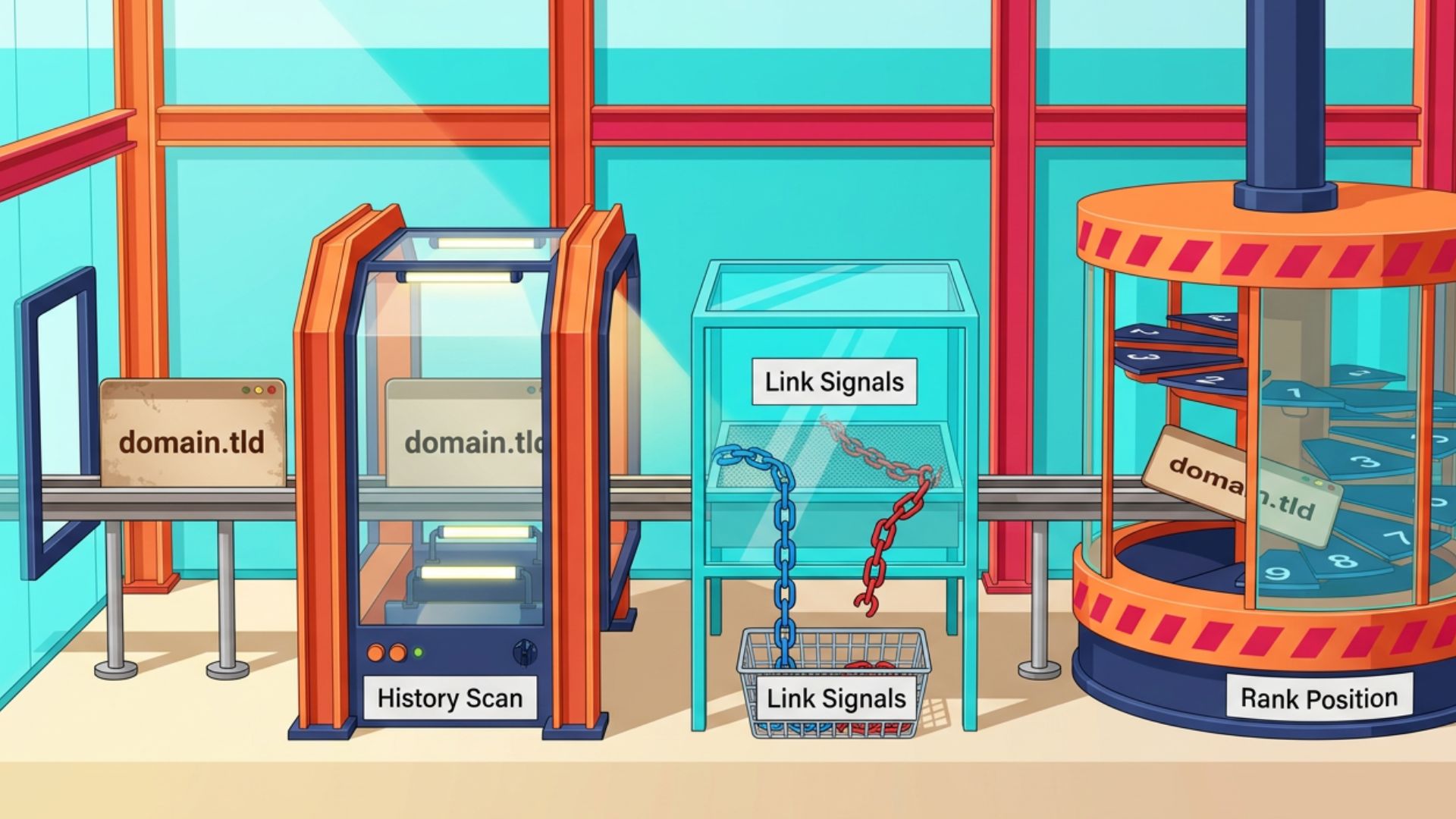
Once you’ve narrowed your shortlist, review each domain’s history to understand how it was used before it expired. A domain that previously hosted legitimate, niche-relevant content is generally a stronger candidate than one that has repeatedly changed topics or been used for spam. Examining its history also helps uncover ownership changes, periods of inactivity, or other warning signs that may affect its SEO value.
Use a web archive service to browse snapshots from different years rather than relying on a single point in time. This makes it easier to spot significant changes in the website’s purpose, content, or ownership. Ideally, the archived versions should show consistent, well-maintained content related to the niche you plan to target.
If you discover spam pages, automatically generated content, content unrelated to your industry, or evidence of manipulative SEO tactics, remove the domain from your shortlist. Even strong authority metrics rarely compensate for a poor historical reputation.
Review the Domain’s Backlink Profile
A domain’s backlink profile explains where its authority comes from. Instead of focusing solely on the number of backlinks, evaluate their quality, relevance, and diversity. A handful of editorial links from reputable websites is usually more valuable than hundreds of links from low-quality directories or unrelated websites.
Review both the referring domains and the anchor text distribution. A natural backlink profile typically contains a healthy mix of branded, generic, and topical anchor text from a wide variety of trustworthy sources. If you notice excessive keyword-rich anchors, links from spam websites, or an unusually high number of backlinks coming from only a few domains, treat those as warning signs.
It’s also worth checking whether the strongest backlinks are still live and continue pointing to meaningful pages. Valuable authority is easier to preserve when important referring pages remain active and contextually relevant after the domain changes ownership.
Eliminate Domains with Spam or Penalties
Before making your final decision, check every shortlisted domain for evidence of spam or search engine penalties. A domain can display impressive SEO metrics while carrying a history of abusive practices that significantly reduce its long-term value.
Begin by searching the domain in Google using the site:domain.com operator to see whether any pages remain indexed. Then look for warning signs such as spammy content, malware, doorway pages, unnatural redirects, or repeated changes in topic that suggest the domain was previously exploited for manipulative SEO purposes.
One or two minor issues don’t automatically make a domain unusable, especially if they occurred many years ago. However, when several red flags appear together, it’s usually safer to move on and invest your time in a cleaner domain with stronger long-term potential.
Choose the Best Domain for Your SEO Goals
By this stage, your shortlist should contain only domains that have passed authority checks, historical review, backlink analysis, and spam screening. The final step is comparing these candidates based on their overall quality rather than selecting the one with the highest authority metric.
In most cases, a domain with slightly lower authority but highly relevant backlinks, consistent topical history, and a trustworthy reputation will outperform a domain with higher scores but questionable history. Prioritizing overall quality helps reduce SEO risk while creating a stronger foundation for future growth.
Before purchasing a domain, consider how it fits into your long-term strategy. Whether you’re rebuilding a niche website, recovering a branded domain, or supporting a related website migration, choose the domain that best aligns with your business objectives and intended audience. A careful evaluation today can help you avoid costly SEO problems later.
Common Mistakes to Avoid
| Mistake | Why It Matters |
| Choosing a domain based only on authority metrics | High DA, DR, or TF scores don’t guarantee a quality domain. Always verify its history, backlink profile, and topical relevance. |
| Ignoring niche relevance | Domains whose historical content and backlinks closely match your industry are more likely to deliver sustainable SEO value. |
| Overlooking spam signals | Spammy content, malware, unnatural redirects, or manipulative SEO practices can significantly reduce a domain’s value. |
| Relying on a single SEO tool | Authority metrics and backlink data vary between platforms, so comparing information from multiple trusted tools leads to better decisions. |
| Skipping manual review | SEO metrics can’t replace manually reviewing a domain’s archived content, indexed pages, and backlink quality before making a purchase. |
Conclusion
Finding a high-authority expired domain is about evaluating the complete picture rather than chasing the highest authority score. The strongest candidates combine quality backlinks, consistent topical relevance, a clean history, and trustworthy SEO signals that support your long-term objectives.
By following a structured evaluation process, you can filter out risky domains early, focus on genuinely valuable opportunities, and make more informed purchasing decisions. Investing a little extra time in research before buying an expired domain often leads to stronger SEO performance and helps you avoid expensive mistakes later.