
A gambling-related domain name can look valuable at first glance, especially when it contains a familiar term such as “casino,” “bet,” or “poker.” But a recognizable keyword does not automatically make it worth a premium price. Buyers need to consider whether the name has real commercial potential, works as a brand, attracts genuine demand, and comes without costly history or legal problems. Knowing what separates a strong opportunity from an overpriced name makes it easier to evaluate purchases with confidence. This guide explains what creates value in the gambling market and how to assess a candidate before making an offer.
Where the Value of a Gambling Domain Comes From
A gambling domain name can have value because it gives a business something scarce and commercially useful: a recognizable digital identity that another company cannot simply recreate under the same extension. The strongest names can also shorten the distance between a business and its target market, making them useful for branding, marketing, and resale.
Commercial Utility
The clearest source of value is what a business can actually use the name for. A strong gambling-related term can identify a casino, sportsbook, poker platform, affiliate business, comparison site, or media property without requiring much explanation. The broader the practical use, the more businesses can potentially build around it. That expands its commercial usefulness beyond a single website concept.
Scarcity
Every exact name is scarce under its extension. Once a desirable combination is registered, another business cannot obtain that same combination without acquiring it from the current holder. Scarcity becomes meaningful when the name is also commercially useful. A rare name nobody wants has little market value; a rare name that several businesses want can command considerably more.
Market Demand
Demand is what turns potential value into a price. A name may sound excellent to its owner but still have limited value if few businesses are willing to pay to acquire it. This is why the size and quality of the potential buyer pool matter. A name that could serve several types of gambling businesses has more opportunities to find a buyer than one suited to an extremely narrow use.
Brand and Marketing Value
A strong name can do more than identify a website. It can become part of the business’s identity and make marketing easier by giving customers a name that is simple to recognize, remember, and associate with the service. This value should not be confused with an automatic SEO advantage. Google says words in a domain are only one relevance signal, while its exact-match-domain system prevents sites from receiving too much ranking benefit simply because the domain matches a query.
Existing Economic Assets
Some previously used names carry value beyond the name itself. Legitimate direct traffic, relevant backlinks, established brand recognition, or an existing audience can contribute to the asset’s overall worth when those benefits can be verified. These should not be assumed simply because a name is old or has a large backlink count. Their quality, relevance, and continuity determine whether they actually contribute value.
Risk Can Reduce Value
Value can also disappear when ownership comes with problems. A history of spam, manipulative links, unrelated use, or trademark conflicts can make a buyer less willing to pay, even when the name itself looks attractive.
For that reason, the value of a gambling-related name is ultimately a balance between what a buyer can gain and what they may inherit.
How to Tell if a Gambling Domain Is Actually Worth Buying
A promising name can still be a poor purchase if its perceived value does not hold up under closer inspection. The goal is to move beyond first impressions and test the factors that could support its price.
Evaluate the Name Before the Metrics
Start with the name itself. Consider what it communicates, how naturally it fits the gambling market, and whether a business could use it without having to explain or modify it. Do this before looking at traffic, backlinks, age, or appraisal estimates. Strong metrics cannot turn an awkward or commercially weak name into a strong brand.
Identify the Likely Buyers
Think beyond whether you personally like the name. Identify businesses that could realistically use it, such as casino operators, sportsbooks, affiliates, comparison platforms, or gambling media companies. A wider pool of credible buyers generally gives a name stronger resale potential. If you cannot identify a realistic use or buyer, that should influence how much you are willing to pay.
Check Comparable Sales and the Asking Price
Look for completed sales involving names with similar characteristics, including market, wording, extension, and commercial intent. A seller’s asking price shows what they want, not what the market has actually paid. Automated appraisal tools can provide another reference point, but they should support your research rather than determine your offer. The final assessment should reflect the evidence available for that particular name.
Investigate Its History and Legal Position
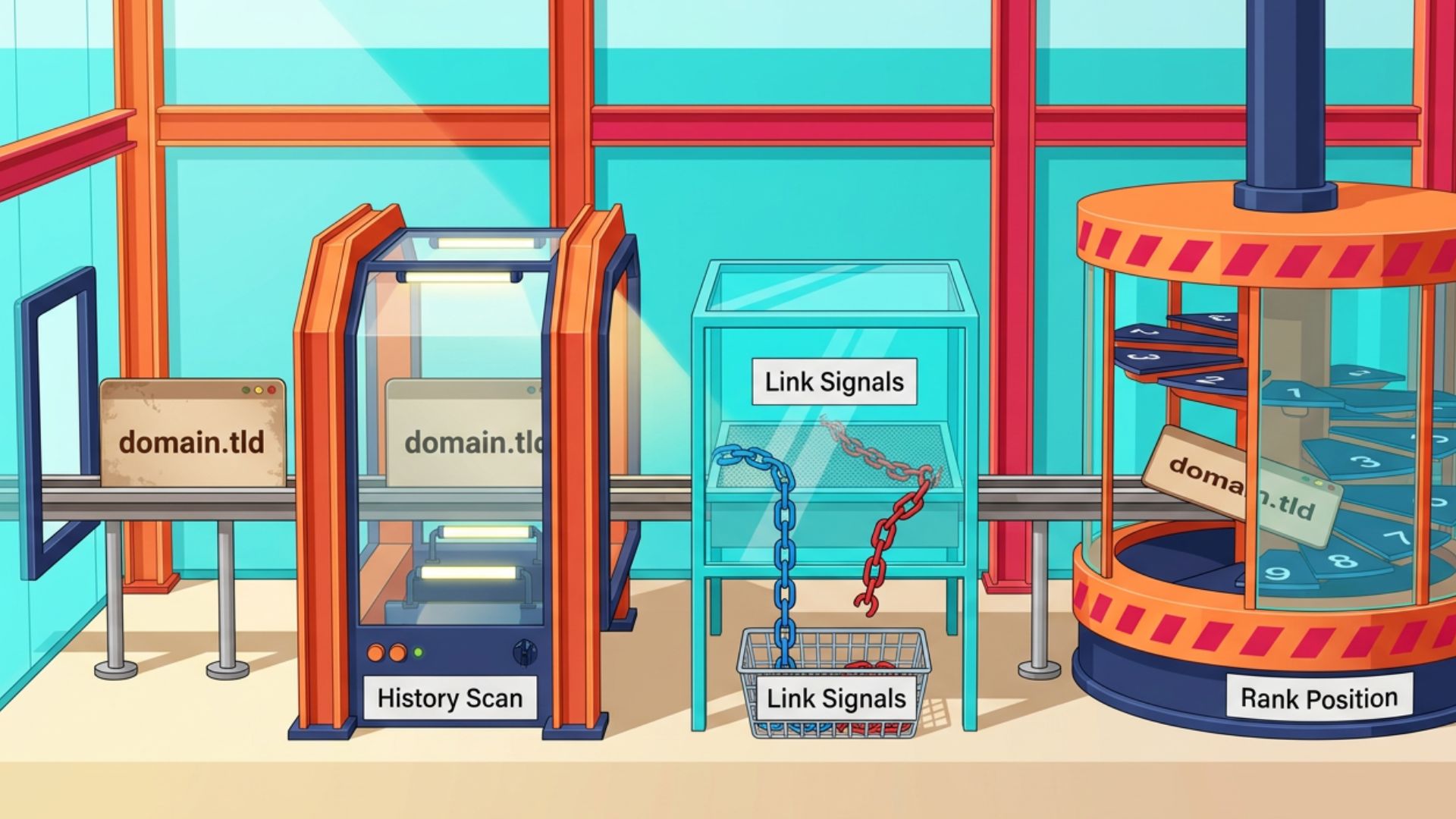
Review how the name has been used previously, particularly whether it has expired or changed hands. Historical websites, redirects, backlink patterns, and traffic claims can reveal whether the previous use adds legitimate value or creates problems. Check for trademark conflicts and previous domain disputes as well. A name that creates legal exposure may be worth far less than its branding suggests.
Weigh the Evidence Before Making an Offer
Bring the findings together rather than allowing one attractive feature to dominate the decision. Consider the name’s commercial use, buyer demand, comparable sales, history, legal position, and asking price as one picture.
The objective is not to find a number that makes the name sound valuable. It is to determine whether the price is justified by what the name can realistically offer a buyer.
Gambling Domain Valuation Mistakes That Can Make a Good-Looking Name a Bad Buy
Some names appear valuable because they have an attractive keyword, an old registration date, or impressive-looking metrics. Those signals can be useful, but relying on them alone can lead to poor buying decisions.
- Assuming a gambling keyword automatically creates value. Terms such as “casino” and “bet” can have commercial meaning, but the surrounding name still determines how useful and desirable the combination is.
- Treating age as proof of value. A long registration history does not guarantee a strong asset. What matters is how the name was used and whether its history provides any legitimate benefit.
- Equating backlinks with quality. A large backlink count means little if the links are irrelevant, manipulative, or connected to spam. Quality and relevance matter more than volume.
- Taking an automated appraisal as the market price. Valuation tools can provide a useful reference, but no algorithm knows exactly what a particular buyer will pay for a specific name.
- Assuming a niche extension guarantees a premium. .bet and .casino clearly signal their intended markets, but the extension cannot compensate for a weak or undesirable name.
- Ignoring trademark risk. A recognizable gambling brand in a name may look attractive while creating a potential dispute. Similarity to an established trademark can turn an apparent opportunity into a liability.
- Confusing name value with website value. Traffic, revenue, customers, content, and other operating assets are part of a developed business. They should not automatically be attributed to the name itself.
Conclusion
A valuable gambling-related name is more than a combination of popular industry terms. Its worth comes from what a business can realistically do with it, how much demand exists for it, and whether the evidence supports its price. Strong branding, scarcity, relevant market use, and a clean history can increase its appeal, while weak demand, questionable history, or legal risks can quickly reduce it.
The safest approach is to look past the obvious signals and evaluate the entire opportunity. A name is worth considering when its commercial potential and market evidence justify what a buyer is being asked to pay.