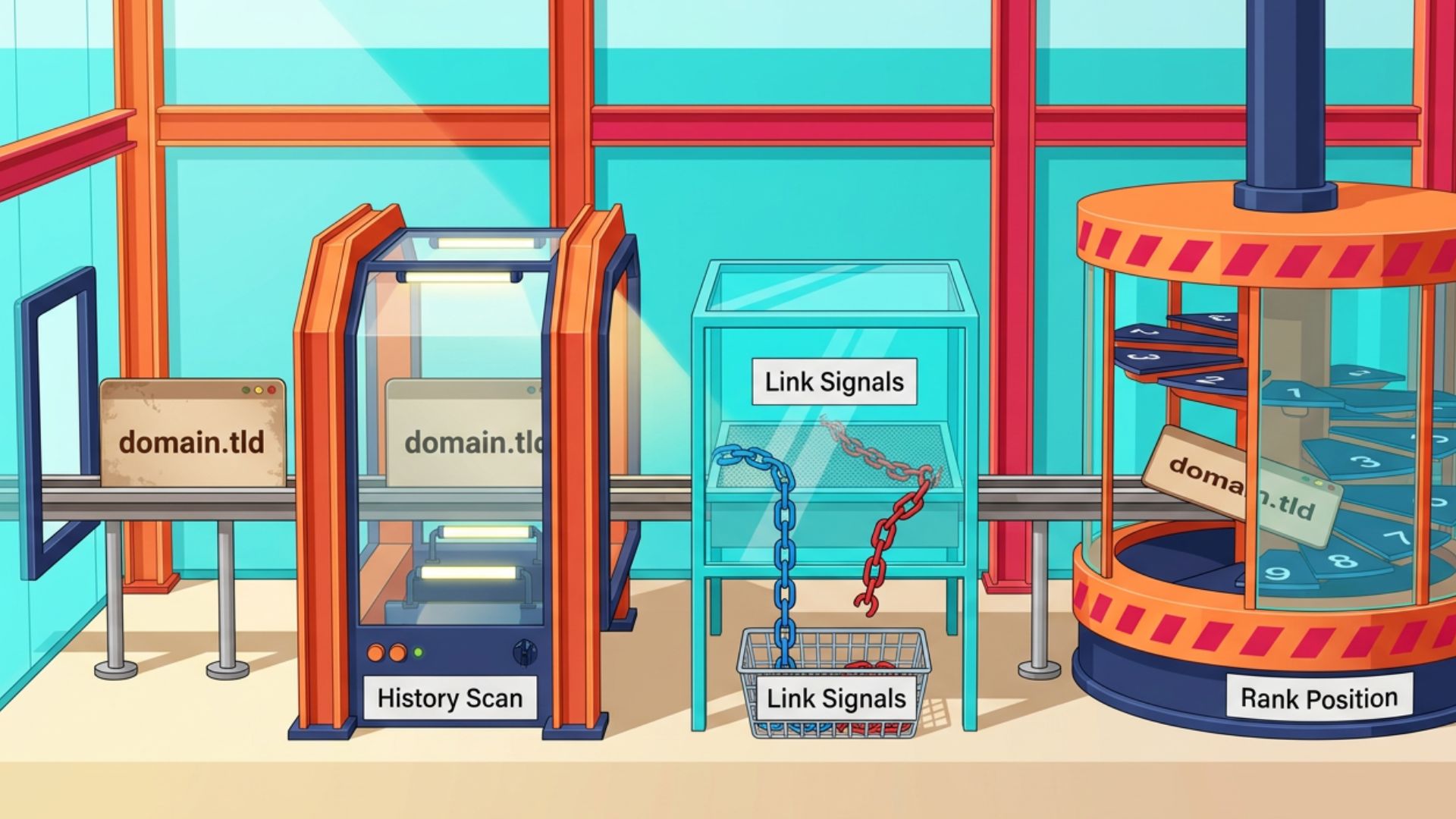

Missing a renewal deadline can put a valuable domain at risk, especially when its redemption period is about to end. Many owners assume the name becomes immediately available once that window closes, but the process does not usually work that way. There is typically another stage before it can be released for registration again. Understanding what happens next can help former owners assess their remaining options and help others know when, or whether, they may have a chance to register the name.
The Domain Typically Moves to Pending Delete
When the redemption period ends without the domain being restored, the name typically moves to Pending Delete in many gTLDs. This is the final stage before the registry removes it from its database. At this point, the previous registrant generally can no longer renew or restore the domain. It is also not yet available for someone else to register. The name remains in Pending Delete until the deletion process is complete.
The exact process and timeline can vary by TLD and registry, but for many common gTLDs, Pending Delete is the next step after redemption ends. The end of the redemption period does not mean the name has been released. It still needs to complete the Pending Delete stage before it can potentially become available for registration again.
Can You Still Recover the Domain?
Once a domain has entered its final Pending Delete stage, the previous registrant generally cannot recover it through the normal renewal or restoration process. The redemption window has already closed, and the name is moving toward deletion from the registry.
If there is any uncertainty about its status, check with the registrar or review the registry status information. A name may still be in an earlier stage if the timeline differs for that particular TLD or registrar.
Once Pending Delete is confirmed, the remaining option is usually to wait until the deletion process is complete and see whether the name becomes available for registration again. However, the previous owner has no guaranteed priority once it is released.
How Long Does the Domain Stay in Pending Delete?
For many common gTLDs, the Pending Delete stage typically lasts around five days. During this time, the name remains unavailable for renewal, restoration, or new registration.
However, this timeline is not universal. Different TLDs and registries can follow different deletion schedules, so the actual timeframe may vary. If the exact timing matters, check the policies for the specific extension or review its current registry status. Once Pending Delete ends, the registry can complete the deletion process, and the name may then become available for registration again.
What Happens After Pending Delete?
Once the Pending Delete period ends, the registry completes the deletion process. The name is then removed from the registry and may become available for registration again.
The exact timing and release process can vary by TLD and registry. For many common gTLDs, however, this is the point at which the name can potentially return to the pool of available registrations.
It is important to understand that deletion does not restore the previous registration. If the name becomes available again, registering it constitutes a new registration, and the previous owner generally has no special right or priority to claim it.
Can Anyone Register the Domain After It Is Deleted?
Once the registry completes the deletion process and the name is released, it may be available for anyone to register, including the previous owner. However, the former registrant does not usually receive priority or any special right to reclaim it.

This means someone else may register the name before the previous owner has a chance to do so. For valuable or highly sought-after names, there may also be competition once they become available.
It is also important to remember that availability can vary depending on the TLD and its registry’s release process. If the name becomes available again, registering it is treated as a new registration rather than a continuation of the previous one.
What Should You Do Next?
What happens next depends on whether you previously owned the name or are waiting for it to become available.
If You Were the Previous Owner
First, confirm its current status. If it is still in an earlier stage, there may be options available through your registrar. Once it has entered Pending Delete, however, the normal restoration process has generally ended.
You can monitor its status and wait to see whether it becomes available again. Keep in mind that the name may be registered by someone else once it is released, and the previous owner does not usually receive priority.
If You Want to Register the Domain
Check whether the name is still in Pending Delete. During this stage, it is generally not available for registration.
Once the deletion process is complete, it may become available again, depending on the TLD and registry’s release process. If you are interested in registering it, monitor its availability and be prepared for competition, particularly if the name is valuable or in high demand.
Conclusion
Once the redemption period ends, the name does not usually become available immediately. For many gTLDs, it first enters Pending Delete, at which point recovery is generally no longer possible. After that stage ends, the registry deletes the name, and it may become available for registration again.
The exact process can vary by extension, but understanding these final stages can help you avoid missed deadlines and know what options remain once the redemption window has closed.