
Search engine optimization is full of long-standing advice, and one of the most common claims is that older domains rank better in Google. While it’s true that many top-ranking websites have been online for years, does that mean domain age itself improves search rankings? The answer isn’t as straightforward as many believe.
This guide examines Google’s official position, the evidence behind the debate, and the factors that actually influence rankings so you can make informed SEO decisions based on facts rather than common misconceptions.
What Is Domain Age in SEO?
Domain age refers to the length of time a domain name has existed since it was first registered. In SEO, it’s often discussed because many established websites have been online for years and consistently perform well in search results. This has led to the belief that older domains automatically have an advantage over newer ones.
However, age is frequently confused with other factors that naturally develop over time, such as a stronger backlink profile, more published content, and greater topical authority. Understanding what domain age actually means is important before evaluating whether it has any direct impact on search rankings.
What Google Says About Domain Age and SEO
Google’s Official Position on Domain Age
Google has consistently stated that domain age alone is not a direct ranking factor. According to Google Search Advocate John Mueller, simply owning an older domain does not improve search rankings, nor does registering a domain for a longer period. Instead, Google’s ranking systems evaluate webpages based on factors such as relevance, content quality, and how well they satisfy users’ search intent.
What the Evidence Shows
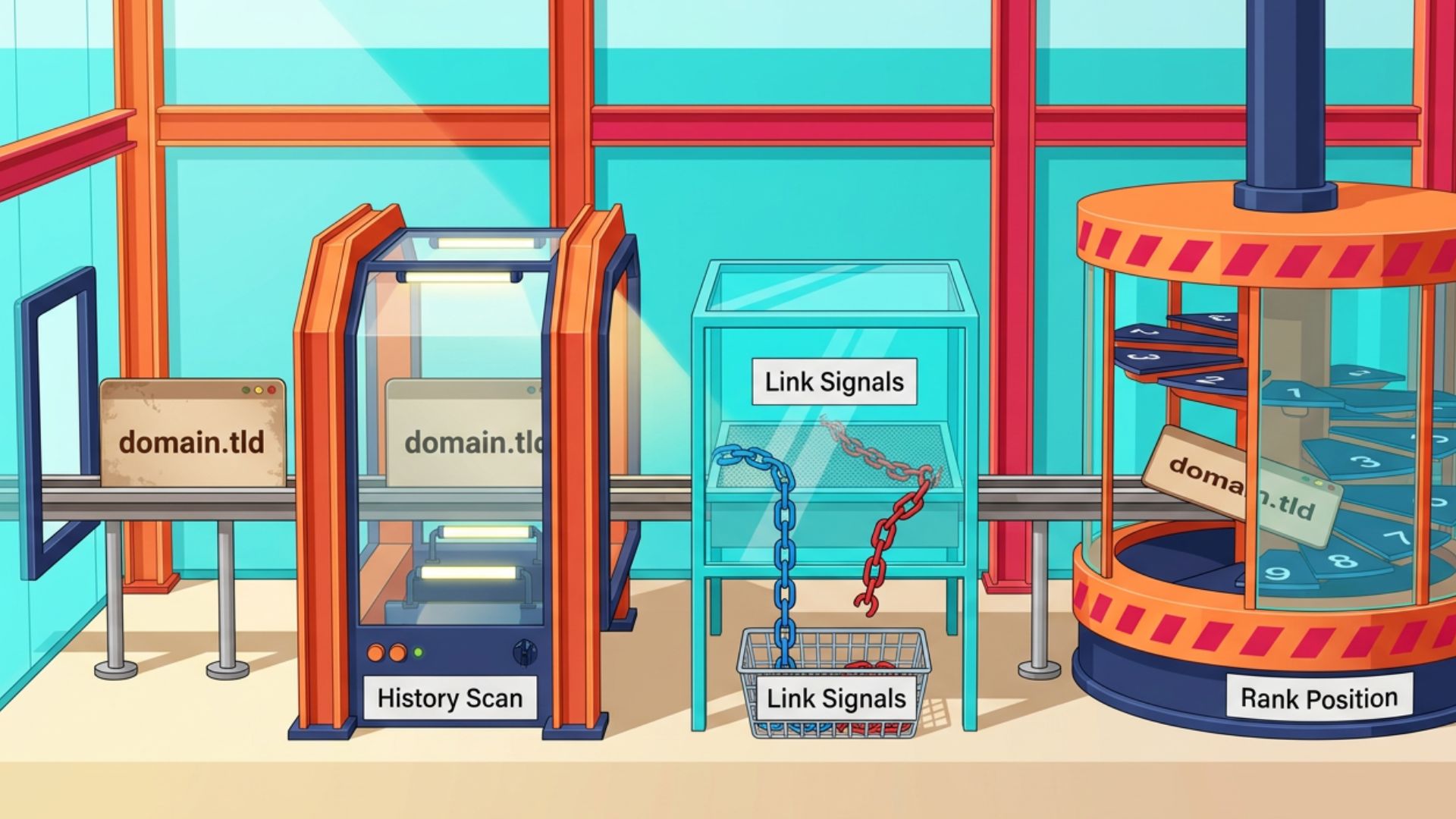
Although domain age itself is not a ranking factor, studies of Google’s search results consistently find that older websites appear more often on the first page. At first glance, this may suggest that older domains have an SEO advantage. However, these findings show a correlation rather than a cause-and-effect relationship.
In other words, older websites often rank well because they have had more time to publish valuable content, earn high-quality backlinks, and establish authority in their niche, not because Google gives preference to older domains. This distinction is important, as it helps website owners focus on SEO strategies that directly influence rankings instead of relying on a domain’s age.
Why Older Websites Often Rank Better
They Have More Time to Earn Quality Backlinks
Backlinks remain one of the strongest signals of a website’s authority. Older websites have typically had more time to earn links from reputable sources through valuable content, industry recognition, and natural citations. While domain age itself doesn’t improve rankings, a strong backlink profile built over time can significantly increase a site’s search visibility.

They Build Topical Authority Over Time
Established websites often publish content consistently for years, allowing them to cover a subject in greater depth. This helps demonstrate topical authority, making it easier for search engines to understand a site’s expertise and relevance across related search queries.
They Develop Greater Trust and Brand Recognition
As websites grow, they often gain recognition within their industry. Well-known brands are more likely to attract mentions, citations, and repeat visitors, all of which can strengthen their overall online presence. Although brand recognition is not the same as domain age, it often develops alongside a website’s long-term growth.
They Continuously Improve Their Content
Successful websites rarely rely on old content alone. They regularly update existing pages, expand information, and improve accuracy to match changing search intent and user expectations. This ongoing optimization helps maintain rankings and ensures content remains competitive over time.
Should You Buy an Aged Domain for SEO?
When an Aged Domain Can Be Worth It
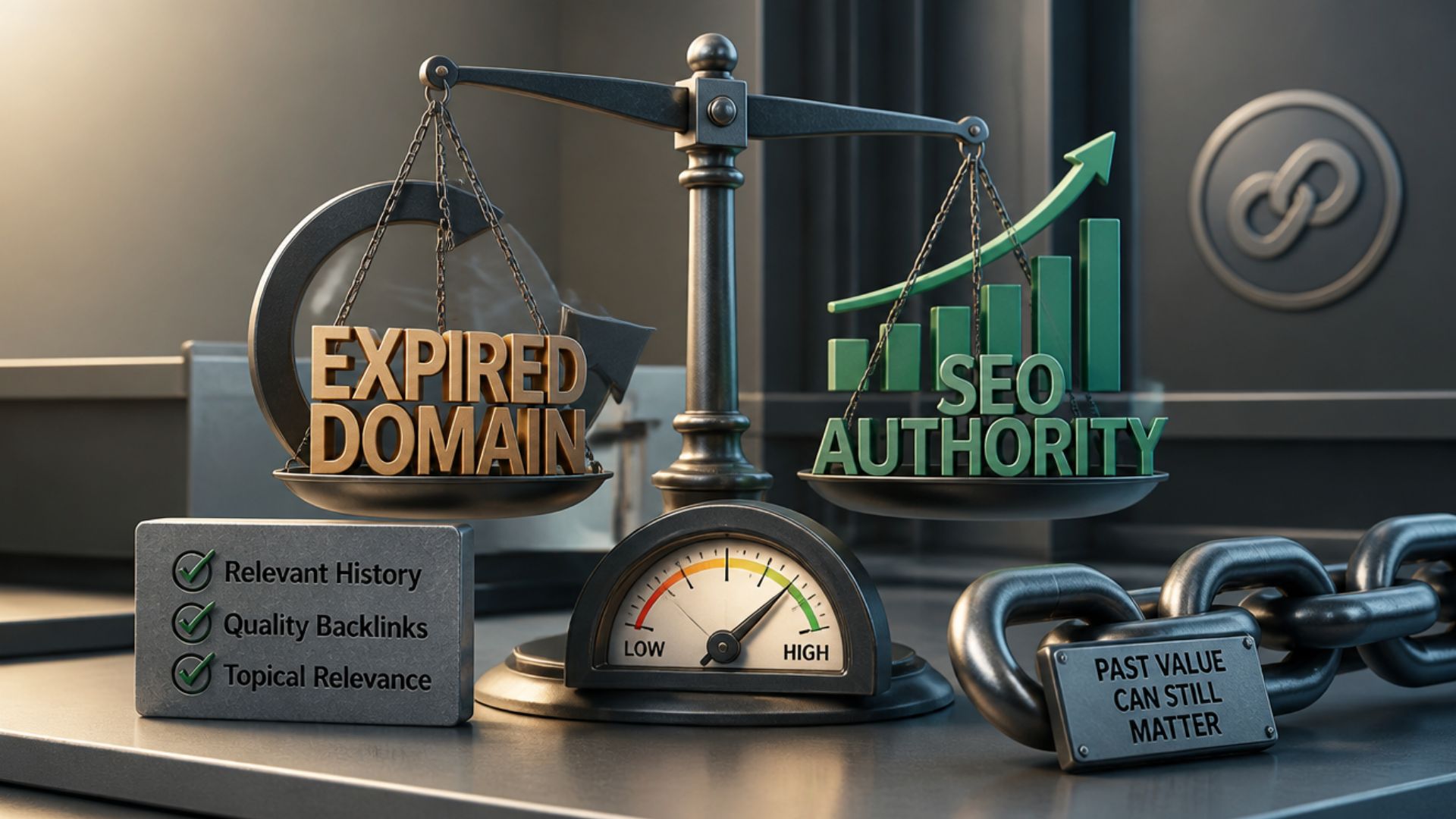
An aged domain may be worth buying if it already has SEO assets that would take years to build from scratch. For example, a domain with high-quality backlinks from reputable websites, a history of publishing relevant content, and an established presence in your niche can provide a stronger foundation for future growth. Because these signals have already been earned, you can focus on creating new content instead of building authority entirely from the ground up.
Before purchasing an aged domain, review its backlink profile, previous content, and ownership history. A domain that has consistently served the same or a closely related niche is generally a better choice than one that has changed topics multiple times.
When It Isn’t Worth Buying
An older domain isn’t automatically valuable. If it has a history of spam, manipulative link building, or content that is unrelated to your niche, any existing authority may have little SEO value. In some cases, these issues can make it more difficult to build trust with search engines than starting with a new domain.
Likewise, avoid buying a domain based solely on its registration date. Without relevant backlinks, a positive reputation, and a clean history, an aged domain offers few advantages over a new one and may require significant effort to restore.
Can a New Website Compete Without Domain Age?
Yes. A new website can achieve strong search rankings without an aged domain if it focuses on the factors Google actually uses to evaluate content. Publishing helpful, original content that satisfies search intent, earning high-quality backlinks, maintaining a technically sound website, and building topical authority are all far more important than how long it has been registered.
While new websites may need time to establish credibility and earn recognition, age alone does not prevent them from competing with more established sites. Consistently creating valuable content and improving your website over time will have a greater impact on long-term SEO performance than simply waiting for your domain to get older.
Conclusion
The evidence is clear: age alone does not improve search rankings. While older websites often perform better in search results, their success is typically the result of years spent earning high-quality backlinks, building topical authority, publishing valuable content, and establishing trust, not simply because the domain is older.
Instead of focusing on how long it existed, invest in the SEO factors that have a proven impact on rankings. A well-optimized website with helpful content, strong technical SEO, and a sustainable link-building strategy can compete successfully regardless of its domain’s age.