
Buying an expired domain can give your website a valuable head start, but it can also expose you to hidden SEO and legal risks if you skip the evaluation process. A domain may have strong backlinks and a long history, or it could carry spam, penalties, or trademark issues that are difficult to fix after purchase. Understanding what separates a worthwhile opportunity from a costly mistake is essential before you invest.
This guide walks you through every key factor to verify so you can evaluate expired domains with greater confidence before making a purchase.
What Is an Expired Domain?
An expired domain is a domain name that was previously registered but wasn’t renewed by its owner before the registration period ended. After the expiration, grace, and redemption periods have passed, the domain may become available for anyone to register or purchase through a domain registrar or an auction platform.
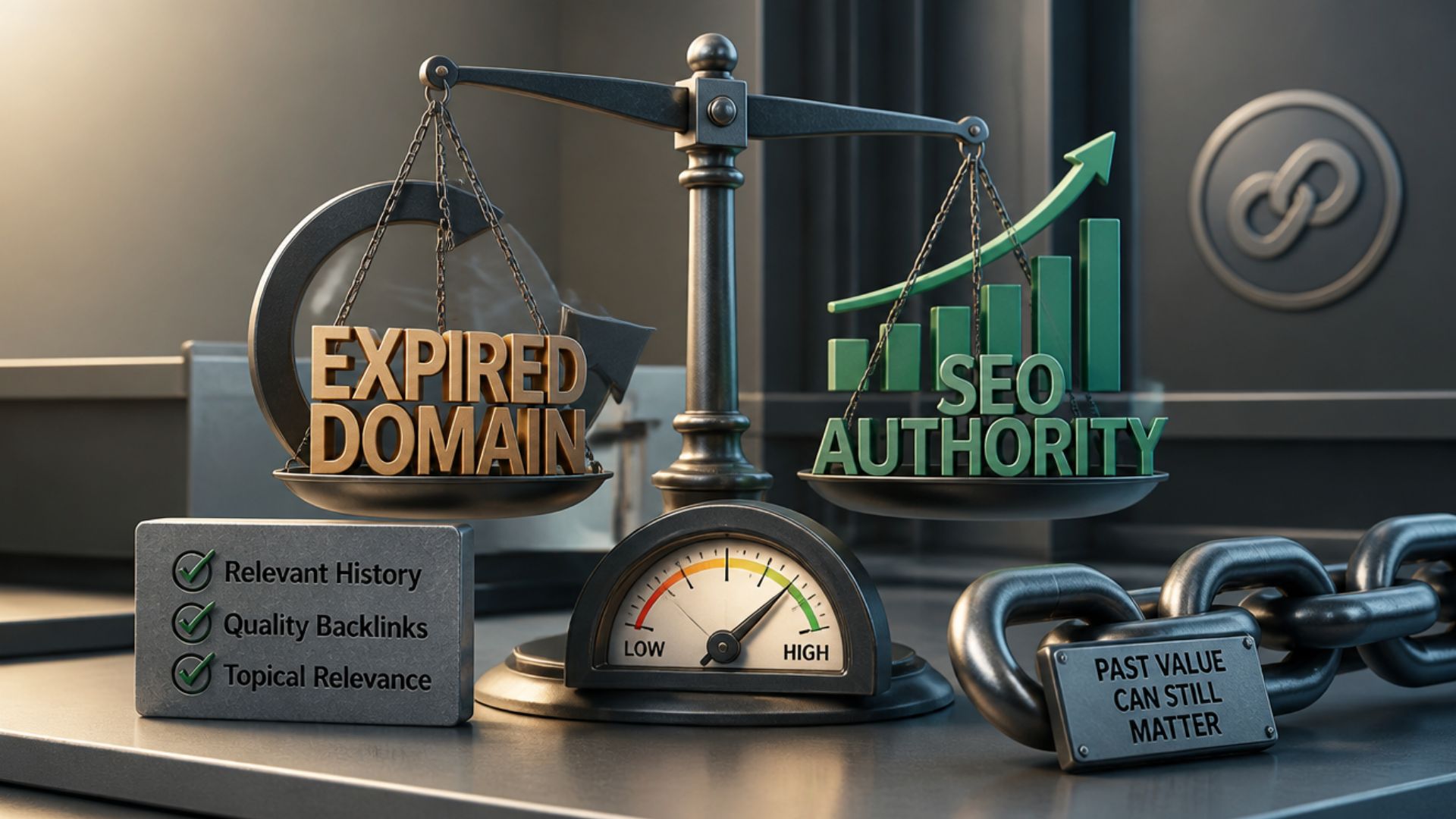
People buy expired domains for many reasons, including launching a new website, rebuilding a previously active site, or acquiring a domain with an established backlink profile and online history. However, an expired domain isn’t automatically valuable. Its SEO potential depends on factors such as its previous use, backlink quality, search reputation, and overall history, making a thorough evaluation essential.
Example: Suppose you’re launching a new photography website. You find two available domains: one is brand new, while the other is an expired domain that previously belonged to a photography blog with relevant backlinks and a clean history. Although the expired domain doesn’t guarantee better rankings, it may provide a stronger starting point thanks to its existing authority, topical relevance, and backlink profile. That’s why expired domains remain popular among SEO professionals, businesses, and website investors.
Check the Domain’s History
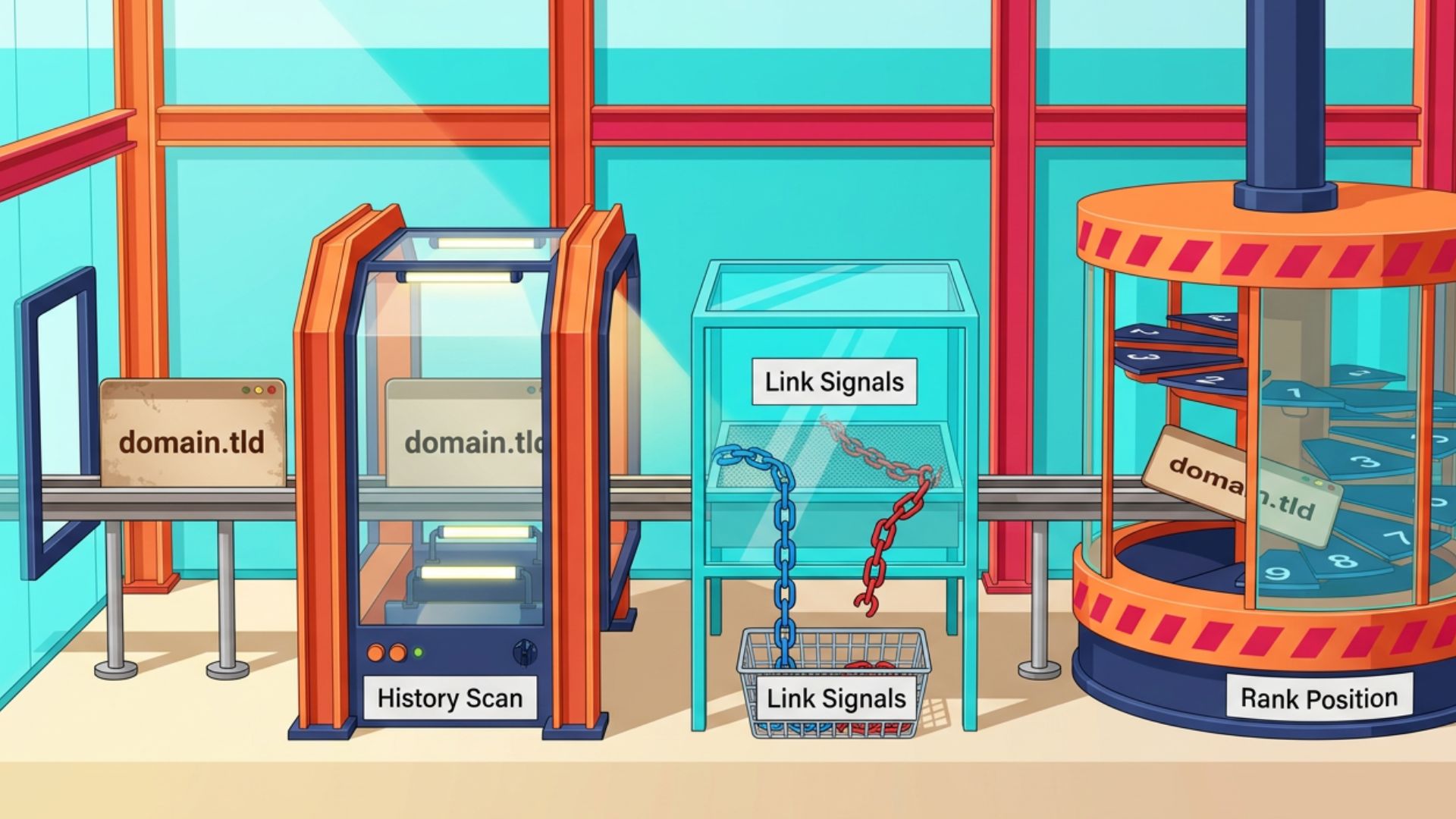
One of the first things to verify is how the website was used in the past. A domain that consistently hosted legitimate, high-quality content is generally a safer investment than one that was repeatedly repurposed or used for spam. Reviewing its history helps you determine whether the website maintained a clear purpose over time or frequently changed direction, which can affect its credibility and long-term SEO value.
Start by reviewing archived versions of the website using the Wayback Machine. Look for signs of a legitimate business, blog, or organization with original content and a consistent niche. Pay attention to whether the website maintained the same purpose over time or repeatedly changed ownership, topics, or business models. Be cautious if the domain previously hosted thin content, automatically generated pages, or websites related to gambling, adult content, or other spam-heavy industries. Frequent changes are often a warning sign that the domain was reused for short-term SEO tactics rather than serving a genuine audience.
Review the Backlink Profile
A strong backlink profile is one of the main reasons people buy expired domains, but not all backlinks add value. A domain with links from reputable, relevant websites is generally more valuable than one with thousands of low-quality or unrelated links. Focus on backlink quality and referring domains rather than raw backlink numbers.
Use an SEO tool to review the domain’s referring domains, linking websites, and backlink quality. Look for links from trusted publications, industry websites, educational institutions, or established organizations that are relevant to the domain’s previous niche. At the same time, watch for toxic backlinks from spam directories, link farms, hacked websites, or other suspicious sources, as these can indicate previous SEO abuse and reduce the domain’s long-term value.
Analyze the Anchor Text Profile
Anchor text refers to the clickable words used in hyperlinks pointing to a website. Reviewing an expired domain’s anchor text profile helps you understand how other websites referenced it and whether its backlink profile appears natural. A healthy profile typically includes a mix of branded, generic, and descriptive anchor text that reflects the domain’s previous content.
Pay close attention to repeated keyword-rich or unrelated anchor text, especially if it references gambling, casinos, betting, adult content, pharmaceuticals, cryptocurrency, or other spam-prone topics. An unnatural anchor text profile may indicate that the domain was part of aggressive link-building campaigns or other manipulative SEO practices. If the anchor text doesn’t match the domain’s history or intended use, it’s worth investigating further before making a purchase.
Verify Google Indexing and Search Presence
Before buying an expired domain, check whether it still has pages indexed by Google and maintains some level of search visibility. While an expired domain may naturally lose indexed pages over time, a complete lack of search presence deserves closer attention. It could simply mean the website has been offline for an extended period, or it may indicate a more serious issue that requires further investigation.
Start by searching site:example.com in Google to see whether any pages are still indexed. You can also search for the domain name or previous brand to check whether it still appears in search results. Keep in mind that having few or no indexed pages doesn’t automatically indicate a penalty, but it’s important to understand why before making a purchase. This simple check helps you determine whether the domain still has a healthy search presence or needs further investigation.
Check the Domain’s Ownership and Registration History
A domain’s ownership and registration history can provide valuable insight into how it has been managed over time. While it’s normal for expired domains to change hands occasionally, frequent ownership transfers or repeated registration lapses may suggest the domain was bought and sold primarily for short-term SEO purposes rather than used for a legitimate website.
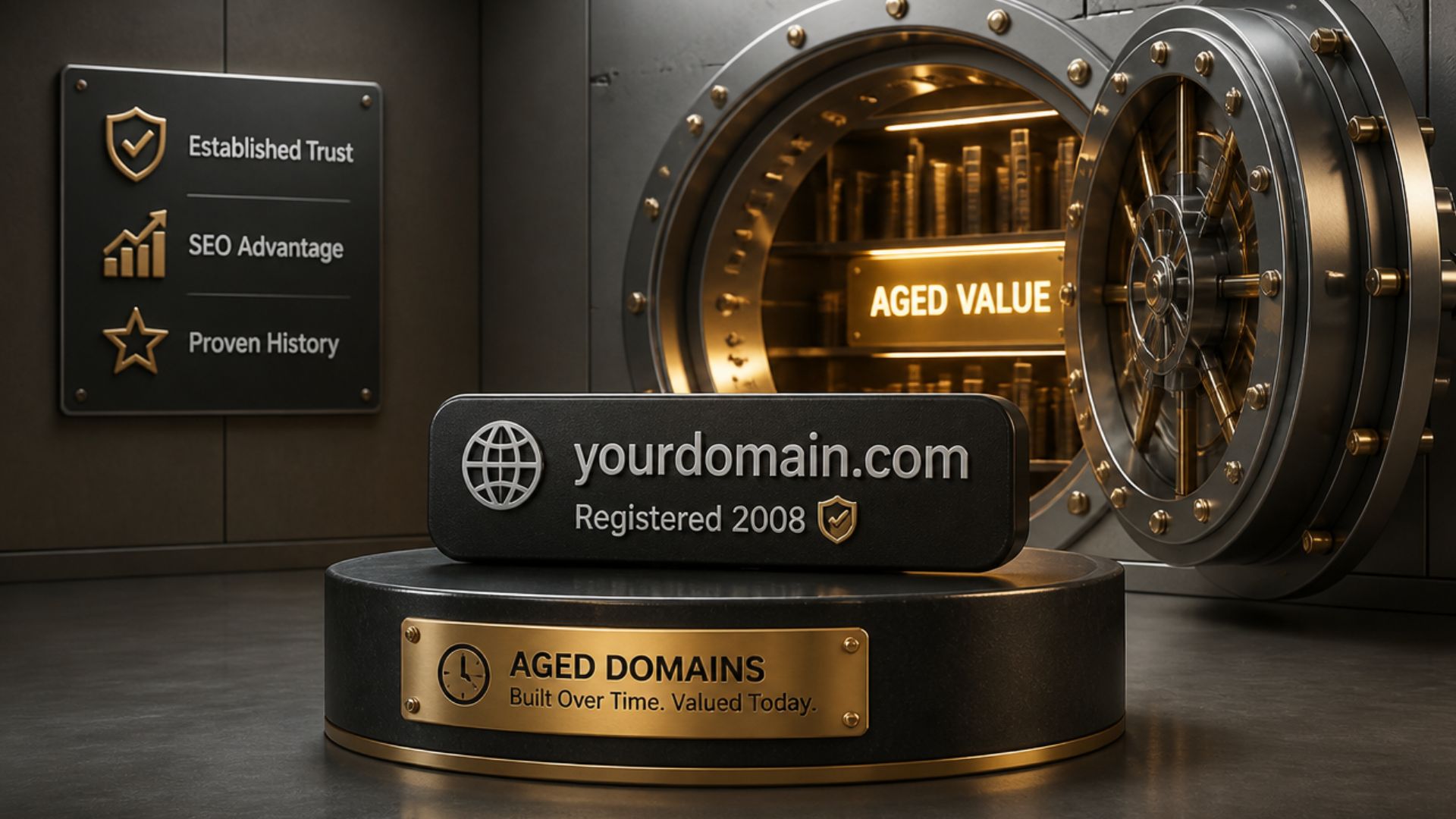
Review the domain’s registration timeline and, when available, its WHOIS history using a trusted domain lookup tool. Look for patterns such as multiple ownership changes within a short period or long gaps between registrations. Although domain age can indicate longevity, it shouldn’t be viewed as a ranking advantage on its own. Instead, evaluate it alongside the domain’s history, backlink profile, and overall reputation.
Review SEO Metrics in Context
SEO metrics such as Domain Authority (DA), Domain Rating (DR), Trust Flow (TF), Citation Flow (CF), and Moz Spam Score can help you evaluate an expired domain, but they shouldn’t be the deciding factor. Third-party SEO tools rather than Google generate these metrics, and each uses its own methodology to estimate a domain’s authority, backlink quality, or potential risk.
Use these metrics to support what you’ve already learned from the domain’s history, backlink profile, and search presence. For example, a high Domain Authority or Domain Rating may appear impressive, but it doesn’t guarantee strong rankings or a healthy backlink profile. Likewise, a low Spam Score doesn’t automatically mean the domain is risk-free. Use SEO metrics to support your decision, not make it.
Confirm the Domain Is Relevant to Your Website
An expired domain is generally more valuable when its previous topic closely matches the website you plan to create. Topical relevance helps preserve the context of existing backlinks and creates a more consistent experience for both users and search engines.
Compare the domain’s previous content with your intended website by reviewing archived pages and the types of websites linking to it. For example, a domain that previously covered photography is a much stronger fit for a new photography website than one that suddenly switches to an unrelated niche such as finance or healthcare. A rebrand can still make sense if the domain has a clean history and your new project remains closely related to its original purpose.
Look for Manual Actions, Spam Signals, and Policy Risks
A clean-looking domain isn’t always a safe purchase. Look for signs that it may have been used for spam or other manipulative SEO practices. Common warning signs include spam-heavy archived content, low-quality backlinks from unrelated websites, unnatural anchor text, or frequent changes in the website’s purpose. While these patterns don’t automatically indicate that the domain has a manual action or an algorithmic issue, they do warrant closer investigation.
Google doesn’t discourage buying expired domains. The problem arises when an expired domain is repurposed primarily to manipulate search rankings rather than provide value to users. Google’s spam policies classify this practice as expired domain abuse. If you purchase an expired domain, focus on creating original, helpful content that aligns with its intended purpose and serves your audience first. This approach reduces SEO risks and supports long-term search performance.
Check for Trademark or Legal Issues
Before purchasing an expired domain, make sure it doesn’t infringe on an existing trademark or closely resemble an established brand. Owning a domain that violates trademark rights can lead to legal disputes, forced domain transfers, or unnecessary costs regardless of its SEO value.
Search the domain name alongside the previous business or brand to determine whether it’s associated with a registered trademark. If a well-known company previously used the domain, verify that you aren’t unintentionally acquiring a name protected by intellectual property laws. When in doubt, consult official trademark databases or seek legal advice before investing in a high-value domain.
Consider the Purchase Price and Overall Value
The asking price of an expired domain should reflect its overall quality, not just its age or SEO metrics. Before making a purchase, consider everything you’ve verified, including the domain’s history, backlink profile, search presence, topical relevance, and any potential legal or spam-related concerns.
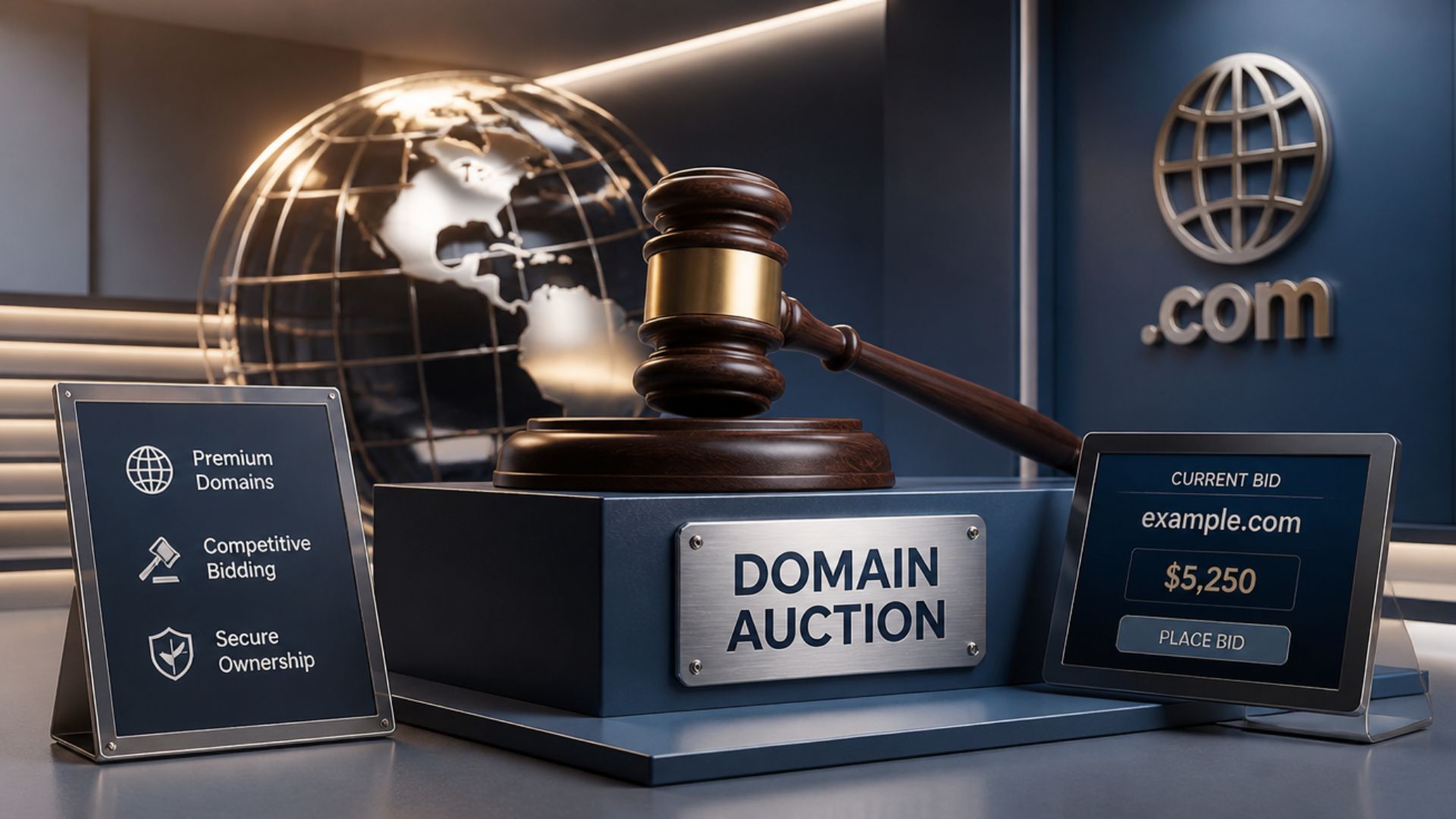
A higher price may be justified for a domain with a clean history and strong long-term potential, but only if its value is supported by evidence. Don’t let auction competition or fear of missing out pressure you into overpaying. A moderately priced domain with relevant backlinks, a consistent history, and a trustworthy reputation may provide far better long-term value than a more expensive domain with questionable quality.
Quick Expired Domain Buying Checklist
Before completing your purchase, make sure you’ve verified the following:
- Website history and archived content
- Backlink profile quality
- Anchor text profile
- Google indexing and search presence
- Ownership and registration history
- SEO metrics in context
- Topical relevance
- Spam signals and policy risks
- Trademark or legal issues
- Purchase price and overall value
Common Mistakes to Avoid When Buying Expired Domains
Even after completing your research, it’s easy to make decisions based on assumptions rather than evidence. Avoid these common mistakes:
- Don’t assume older domains are always better. Domain age alone doesn’t determine SEO value.
- Don’t rely too heavily on SEO metrics. Use Domain Authority, Domain Rating, and similar metrics as supporting signals rather than deciding factors.
- Don’t expect instant SEO results. An expired domain can provide a head start, but long-term success still depends on building a high-quality website.
- Don’t overlook topical relevance. A domain is generally more valuable when it aligns with your website’s niche and audience.
- Don’t rush into a purchase. Compare multiple domains and verify your findings before making a final decision.
Conclusion
Buying an expired domain can be a smart investment, but only if you understand exactly what you’re purchasing. Looking beyond SEO metrics and evaluating the domain’s history, reputation, relevance, and potential risks will help you make a more informed decision and avoid costly mistakes.
A careful evaluation before you buy can save months of cleanup later. Taking the time to verify the domain’s history, backlink profile, search presence, and legal status will help you choose an expired domain that supports long-term growth instead of creating avoidable SEO or legal problems.