
A domain name is often one of the first investments you make when building a website, but choosing one isn’t as simple as finding an available name. While many domains can be registered for a standard fee, others sell for hundreds, thousands, or even millions of dollars. Knowing what drives those price differences can help you avoid overpaying and choose a domain that supports your long-term goals.
Whether you’re launching a business, building a personal brand, or investing in premium domains, understanding how domain valuation works allows you to make more confident purchasing decisions. In this guide, we’ll explain the factors that influence a domain’s value, how to evaluate an asking price, and what to check before completing a purchase.
Why Domain Prices Vary So Much
Not all domain names are priced the same. While many are available for a standard registration fee, others can cost hundreds, thousands, or even millions of dollars. The difference comes down to how desirable the domain is, how it has been used in the past, and whether buyers see long-term commercial potential in owning it.
Several factors influence a domain’s price, including:
- Brandability: Short, memorable names are generally easier to market and therefore more valuable.
- Domain extension: Extensions such as .com typically have stronger demand and broader recognition than many alternatives.
- Keyword relevance: Domains that include valuable search terms may attract businesses seeking to strengthen their online presence.
- Commercial potential: Domains suited to profitable industries often command higher prices.
- Market demand: A domain usually becomes more valuable when multiple buyers are interested in acquiring it.
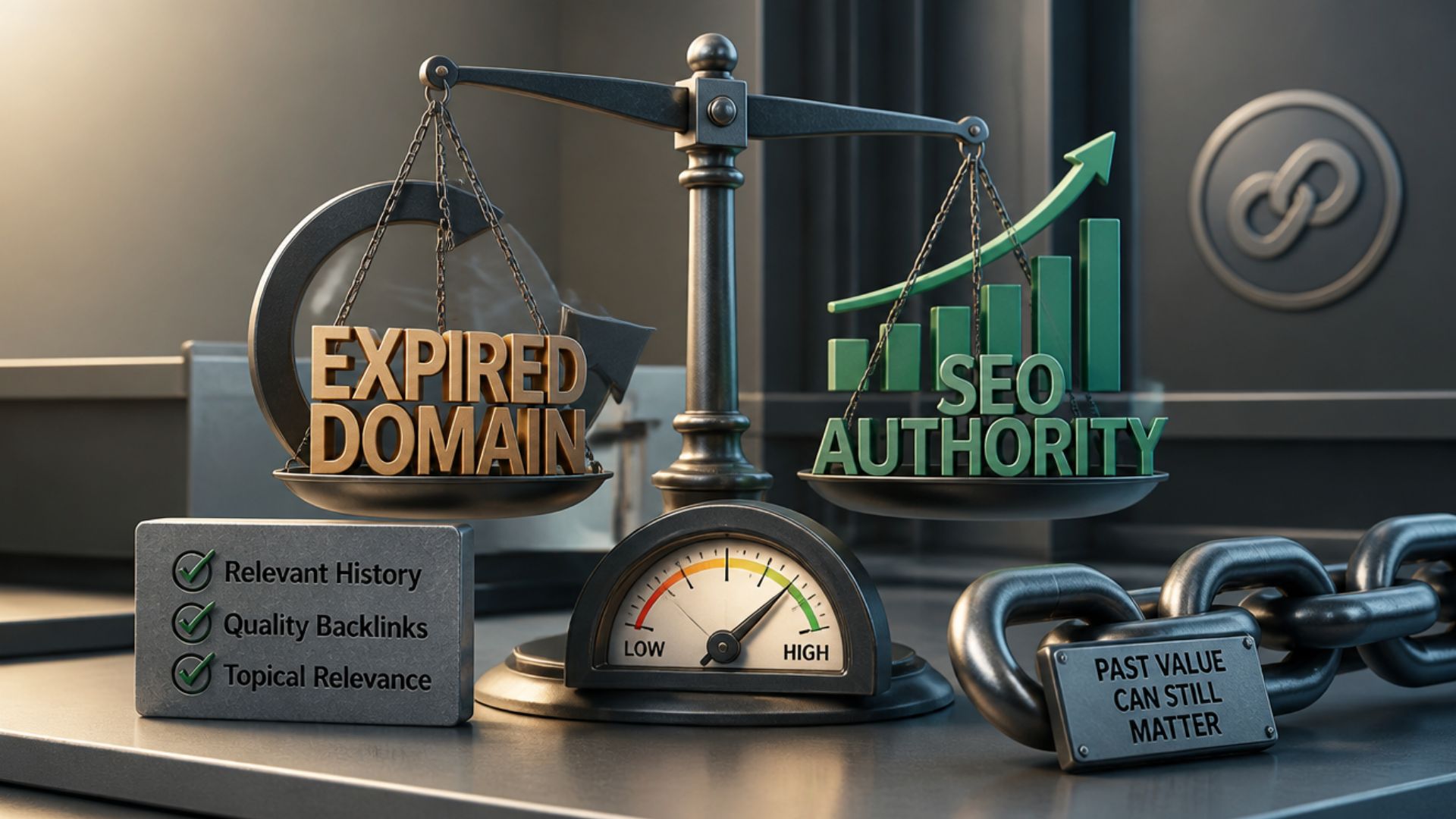
- Domain history: Previous ownership, reputation, and backlink quality can significantly affect its value.
Understanding why domain prices vary is the first step toward making an informed purchase. However, price alone never tells the whole story. The following sections explain how to determine whether a domain is actually worth its asking price.
Start With the Asking Price
Before evaluating a domain’s individual characteristics, consider its asking price and where it’s being sold. The listed price is simply the seller’s expectation and shouldn’t be treated as proof of the domain’s actual value.
Pricing often depends on the sales channel:
- Registrar: Newly available domains are usually sold at a standard registration fee.
- Domain marketplace: Prices are typically determined by the current owner based on perceived value, demand, and previous offers.
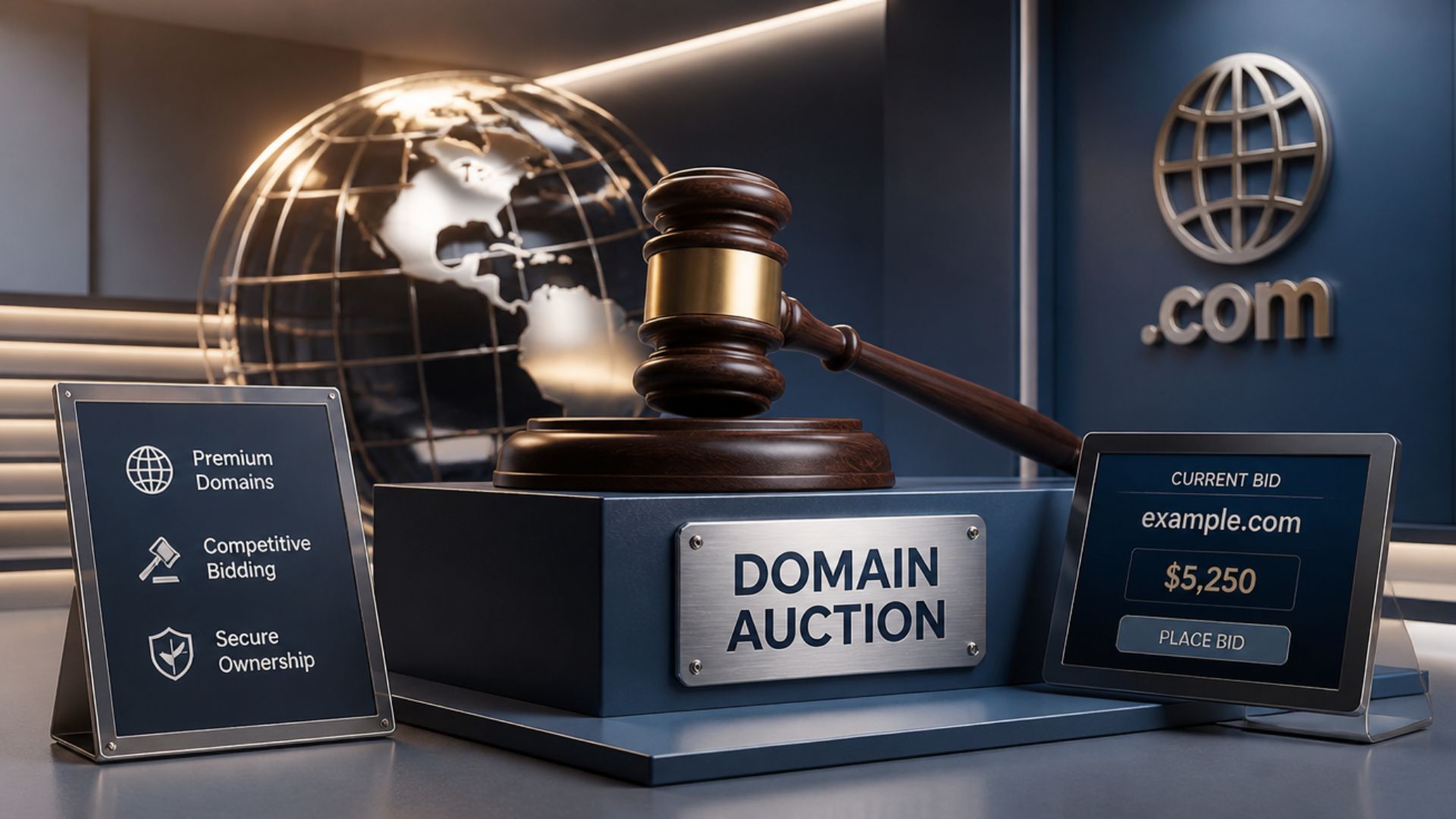
- Auction: Competitive bidding may push the final sale price above or below what the domain might normally sell for.
- Domain broker: Premium domains negotiated through brokers often include additional fees and may reflect the seller’s willingness to negotiate.
Think of the asking price as a starting point rather than the final answer. Your goal is to determine whether the domain offers enough long-term value to justify the investment.
Evaluate the Domain’s Long-Term Value
A single feature doesn’t determine a domain’s value. Instead, it’s based on how effectively the name supports your long-term objectives. Look for a domain that’s easy to remember, simple to spell and pronounce, and closely aligned with your brand or industry. Short, memorable names generally perform better across advertising, social media, and word-of-mouth marketing because people can recall them more easily.
The domain extension also plays an important role. While many newer extensions are legitimate, .com remains the most widely recognized and trusted option for businesses. Depending on your audience, country-code extensions such as .co.uk, .de, or .bg may also be excellent choices for local markets.
It’s equally important to consider future flexibility. A domain that’s too closely tied to one product, service, or location may become restrictive as your business expands. If the name includes keywords, they should sound natural and strengthen your branding rather than appearing overly optimized.
Remember that domain value is also subjective. A domain that’s highly valuable to one buyer may have limited value to another. For example, an exact-match keyword domain might be ideal for a niche affiliate project. At the same time, a short brandable name could be a far better long-term investment for a growing company. Always evaluate a domain based on how well it supports your goals, rather than relying solely on its perceived market value.
Investigate the Domain Before You Commit
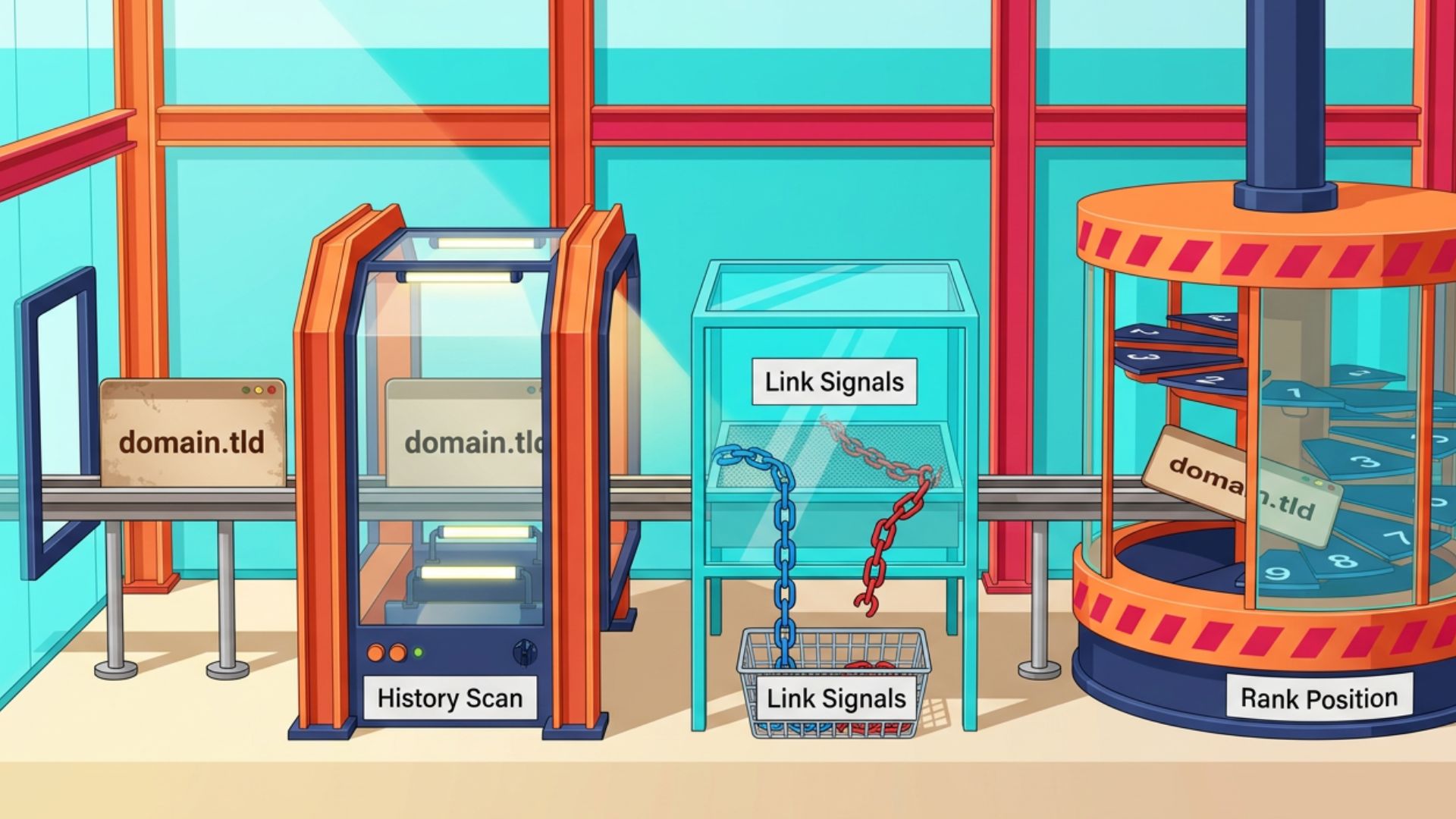
A domain’s history can significantly affect both its current value and its future performance. Before making a purchase, investigate how the domain has been used in the past. Review archived versions of the website using the Wayback Machine, check previous ownership records where possible, and look for signs that the domain was associated with spam, low-quality content, or other practices that could harm its reputation.
If the domain has an existing backlink profile, examine whether those links come from trustworthy, relevant websites rather than spam networks or unrelated sources. A strong backlink profile may add value, while a poor-quality one could create SEO challenges after purchase.
It’s also worth checking whether Google indexes the domain. Searching with the site: operator can provide a quick indication of whether pages from the domain currently appear in search results. Although a lack of indexed pages doesn’t automatically indicate a problem, it may justify further investigation, particularly for domains that previously hosted active websites.
Finally, search for existing trademarks or well-established brand names that closely match the domain. Identifying potential legal conflicts before you buy can help you avoid costly disputes and protect your future brand.
Compare the Domain With the Market
One of the most reliable ways to estimate a domain’s value is to compare it with similar domains that have recently sold. Look for domains with a comparable length, extension, keyword relevance, brandability, and commercial appeal. Reviewing historical sales helps you understand current market conditions and determine whether the asking price is realistic or significantly above market value.
For example, imagine you’re considering these two domains:
- GreenCoffee.com
- BuyBestGreenCoffeeOnlineNow.com
Although both relate to the same topic, the first domain is shorter, easier to remember, simpler to pronounce, and more versatile for branding. As a result, it’s generally far more valuable despite containing fewer keywords.
You can also use automated appraisal tools such as EstiBot or GoDaddy Domain Appraisal to obtain an estimated value. While these tools analyze factors such as keywords, comparable sales, and market trends, they can’t accurately measure brand potential, buyer intent, or future business value. Treat automated appraisals as a helpful reference rather than the final verdict.
Ask These Questions Before You Buy
Before purchasing a domain, ask yourself these questions to determine whether it’s the right investment:
- Does it fit my brand? Choose a domain that reflects your business and is easy for customers to recognize and remember.
- Is it easy to spell and pronounce? A simple name is easier to type, share, and recommend to others.
- Will it still work as my business grows? Avoid names that are too closely tied to a single product, service, or location if you expect to expand.
- Is the asking price justified? Evaluate the domain’s branding potential, extensions, history, and market demand rather than focusing on price alone.
- Have I checked its history? Make sure the domain doesn’t have a problematic past, legal conflicts, or a poor backlink profile.
- Are there better alternatives? Compare similar domains before making a final decision to ensure you’re getting the best value.
Answering these questions takes only a few minutes but can help you avoid expensive mistakes and choose a domain that remains valuable for years to come.
Common Mistakes When Valuing a Domain
Even experienced buyers occasionally overestimate or underestimate a domain’s value. Being aware of the most common mistakes can help you make a more informed decision.
- Focusing only on the asking price. A high price doesn’t automatically indicate a valuable domain, just as a low price doesn’t always represent a bargain.
- Ignoring the domain’s history. Previous spam, penalties, or a poor backlink profile can reduce a domain’s long-term value.
- Overvaluing exact-match keywords. While keywords can add value, a memorable and brandable name is often a better long-term investment.
- Skipping trademark checks. Purchasing a domain that conflicts with an existing brand can result in legal disputes or the loss of the domain.
- Relying entirely on appraisal tools. Automated estimates provide useful guidance but can’t accurately evaluate branding potential, buyer demand, or future business opportunities.
A careful evaluation that combines market research, historical checks, and practical business considerations will usually lead to a better purchasing decision than relying on any single metric.
When Is a Premium Domain Worth the Investment?
A premium domain can be a worthwhile investment if it strengthens your brand, builds credibility, and supports your long-term business strategy. Short, memorable names with widely recognized extensions such as .com are often easier for customers to remember and can help establish trust from the very first interaction.
However, paying a premium price only makes sense if the domain provides genuine value for your specific goals. Many successful businesses operate on affordable, memorable, legally safe, and closely aligned domain names. The best investment isn’t necessarily the most expensive domain, but the one that delivers the greatest long-term return.
Conclusion
Valuing a domain name involves much more than comparing prices or accepting an automated appraisal. A thorough evaluation considers factors such as brandability, domain history, market demand, comparable sales, legal considerations, and the extent to which the name supports your long-term objectives.
Whether you’re purchasing your first domain, expanding your business, or investing in premium domains, taking the time to research before you buy can save money and prevent costly mistakes. A well-chosen domain should be memorable, trustworthy, flexible enough to support future growth, and capable of strengthening your online presence for years to come.