
Expired domains can offer a valuable SEO advantage, but success depends on how you use them. While some retain high-quality backlinks, topical relevance, and existing authority, others may have a history of spam or little SEO value. Choosing the wrong strategy can waste your investment or even hurt your search performance.
This guide explains how to use expired domains for SEO effectively, including identifying worthwhile opportunities, implementing proven strategies, and avoiding common mistakes informed by current SEO best practices.
Do Expired Domains Still Work for SEO?
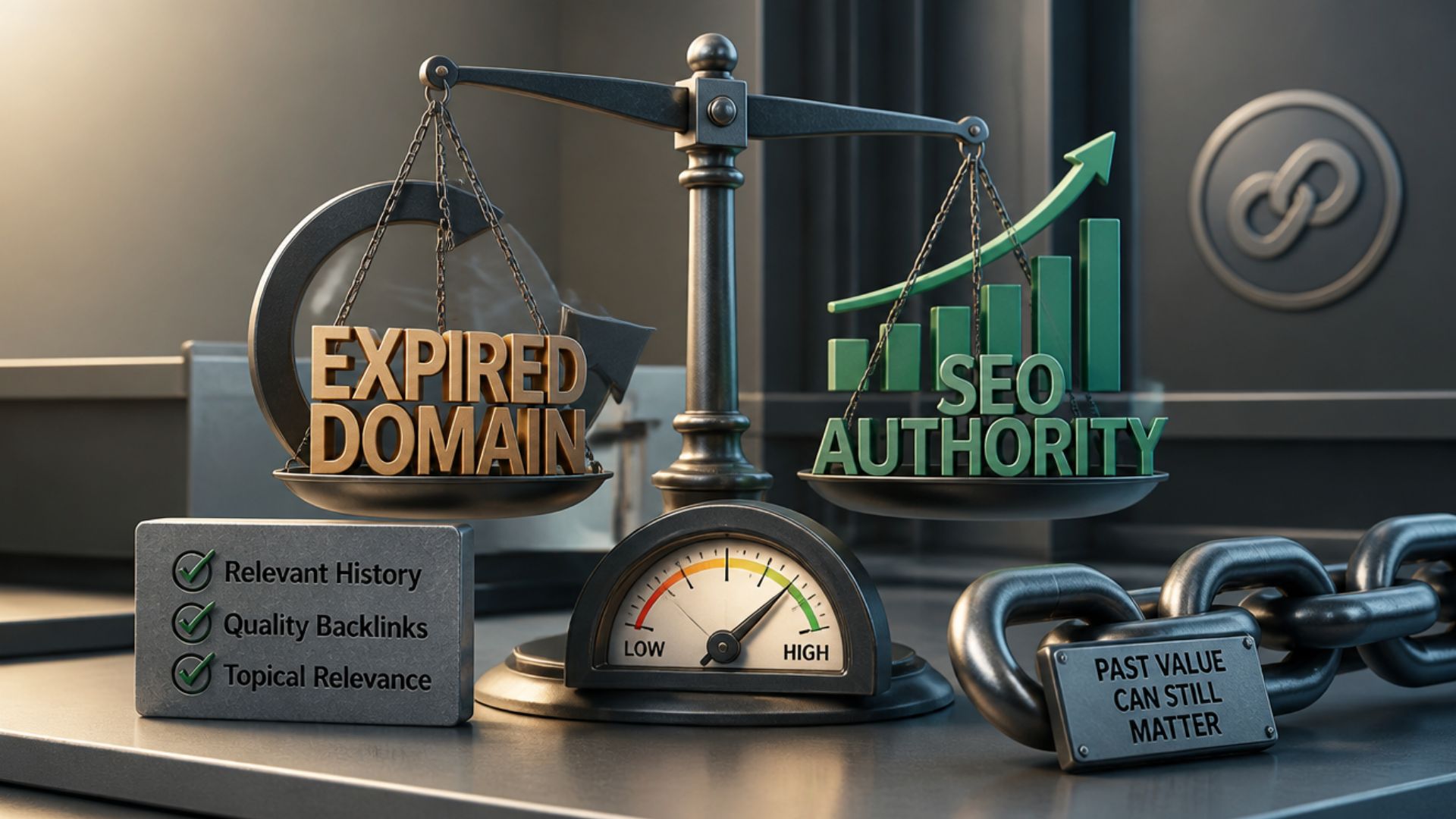
Yes, expired domains can still work for SEO, but their success depends on how they are used. A relevant expired domain may retain valuable SEO signals, such as backlinks and topical authority, that can support long-term organic growth. However, these benefits are only meaningful when the domain is used to build a high-quality website that provides value to users.
Google does not discourage the use of expired domains. Instead, its spam policies target expired-domain abuse, in which domains are acquired primarily to manipulate search rankings using low-value or unrelated content. When used responsibly and with a focus on relevance and quality, expired domains can still be an effective part of a long-term SEO strategy.
How to Choose an Expired Domain That Supports SEO
Choosing the right expired domain is just as important as the SEO strategy you use. Before buying an expired domain, evaluate the domain carefully to ensure it has the potential to support long-term organic growth.
- Review the backlink profile: Prioritize domains with high-quality, relevant backlinks from trusted websites instead of a large number of low-quality links.
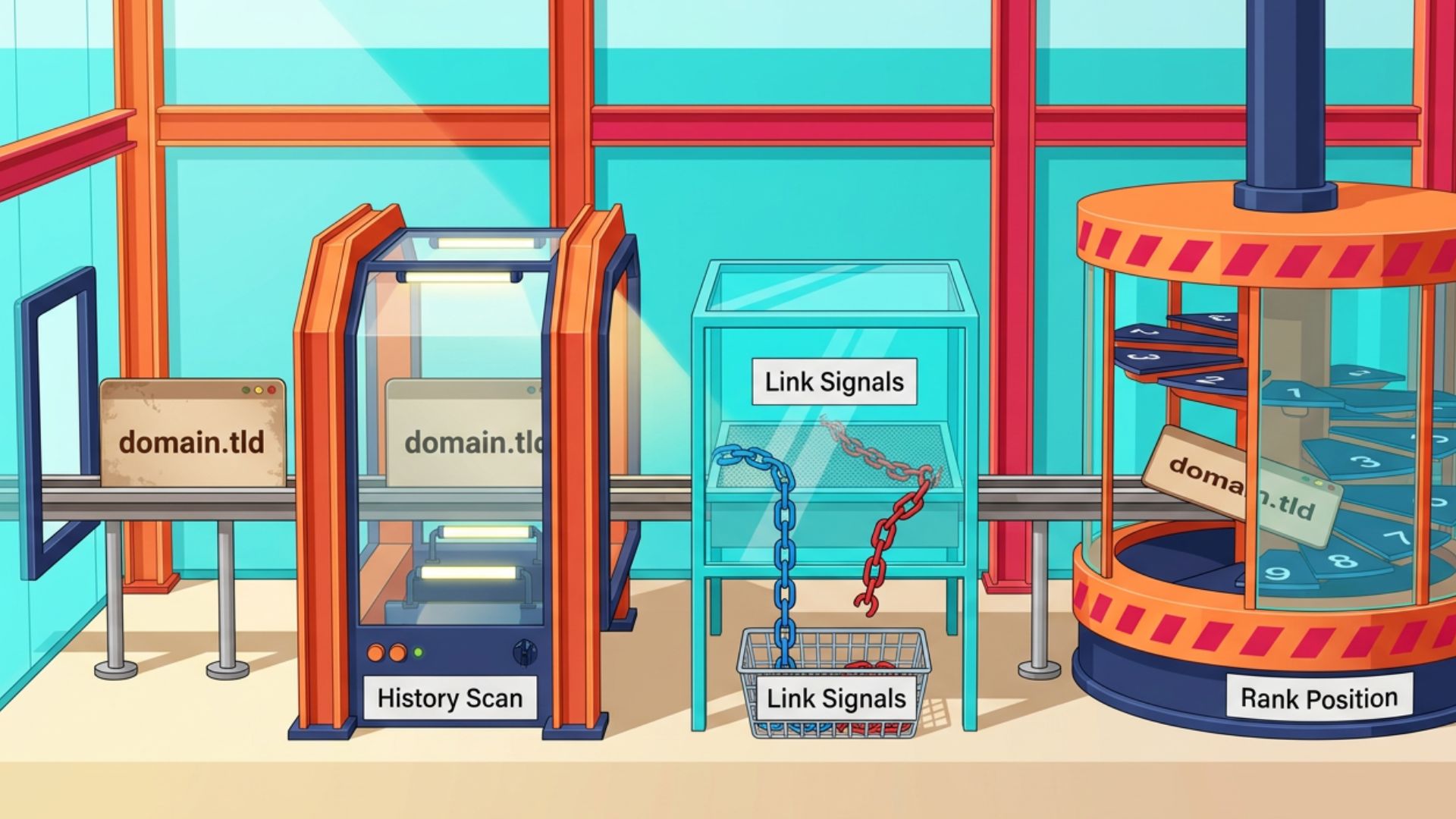
- Check the domain’s history: Review archived versions of the site to understand its previous content, niche, and ownership. A consistent history is generally a better sign than a domain that has changed topics multiple times.
- Look for spam and indexation issues: Avoid domains with a history of spam, suspicious link patterns, or signs that they have been removed from Google’s index.
- Prioritize topical relevance: Choose a domain that closely matches your niche. Relevant backlinks and content are more likely to retain SEO value than those from an unrelated industry.
Rebuild the Original Website to Preserve Existing SEO Value
Rebuilding the original website is often the best strategy when an expired domain has strong backlinks, topical relevance, and valuable content. Instead of changing the domain’s purpose, restore key pages and update them with accurate, high-quality information that matches the site’s original niche. This helps preserve the SEO signals that made the domain valuable while maintaining relevance for both users and search engines.
Focus on rebuilding pages that previously attracted backlinks or organic traffic, then improve them with updated content rather than copying archived versions. Keep the site’s structure and topic consistent where possible, and remove outdated or low-value pages. This approach works best when the expired domain has a clean history and aligns closely with your long-term SEO goals.
Use a Highly Relevant 301 Redirect to Consolidate SEO Signals
A 301 redirect can help consolidate SEO signals when an expired domain is highly relevant to your existing website. This strategy works best if both domains cover similar topics and target the same audience. Redirecting a closely related domain can preserve valuable backlinks and direct users to equivalent content, making the transition more useful for both visitors and search engines.
Avoid redirecting every page to your homepage or using an expired domain from an unrelated niche. Instead, map old URLs to the most relevant pages on your website to preserve context and improve the user experience. When implemented correctly, a targeted 301 redirect can strengthen your site’s authority without relying on manipulative SEO tactics.
Recover and Improve High-Value Content
Some expired domains have content that previously earned quality backlinks, organic traffic, or brand recognition. Instead of letting those assets disappear, identify the pages that provided the most value and recreate them with updated, accurate, and more comprehensive information. This allows you to preserve the original search intent while offering a better experience for today’s users.

Avoid copying archived pages word-for-word, as outdated or duplicate content provides little long-term value. Use the original content as a reference, then expand it with current insights, improved structure, and relevant examples. Combined with the domain’s existing SEO signals, this strategy can help rebuild authority and attract both returning visitors and new organic traffic.
Build a Topical Authority Website Around the Expired Domain
An expired domain can serve as the foundation for a topical authority website if it already has a strong reputation within a specific niche. Instead of publishing content across unrelated subjects, focus on expanding the domain’s existing topic with comprehensive, high-quality resources. This approach helps reinforce relevance and demonstrates expertise, making it easier to build long-term organic visibility.
Create content clusters that cover your niche from multiple angles and link related articles together to strengthen topical relationships. Continue publishing original content and earning new backlinks rather than relying solely on the domain’s existing authority. Over time, this strategy can establish the website as a trusted resource while preserving the SEO value of the expired domain.
Use Expired Domains to Strengthen Local SEO
An expired domain can support local SEO if it has an established presence in the same city, region, or service area as your business. Domains with locally relevant backlinks, citations, and location-specific content may already have recognition within the community. When paired with a business serving the same market, these existing SEO signals can help reinforce local relevance.
Keep the domain focused on its original service area and update the website with accurate business information, current service pages, and locally relevant content. If you’re redirecting the domain, send visitors to the most relevant local pages instead of the homepage. This strategy is most effective when the expired domain and your business share the same industry and geographic location.
Consolidate Relevant Websites Into One Authority Site
If you own multiple websites in the same niche, an expired domain can help consolidate them into a single, more authoritative website. Merging relevant content, backlinks, and SEO signals into one domain simplifies site management and creates a stronger resource for users. This strategy works best when the websites share similar topics, audiences, and search intent.
Before migrating, identify your highest-performing pages and map them to the most relevant URLs on the new website. Use page-level 301 redirects to preserve link equity and avoid creating duplicate or thin content during the transition. A well-planned consolidation improves user experience, strengthens topical authority, and helps maintain the SEO value built across multiple websites.
Use Expired Domains to Protect Your Brand and Organic Traffic
Businesses often acquire expired domains related to former brand names, discontinued products, or common misspellings to protect their online presence and preserve existing traffic. If the domain is relevant to your business, redirecting it or rebuilding key pages can help capture users who still search for or link to the old brand. This strategy also prevents competitors or bad actors from acquiring the domain and benefiting from its existing visibility.
Before using this approach, verify that you have the legal right to the brand or domain and ensure any redirects lead to the most relevant pages on your website. Whether you’re rebranding, merging businesses, or retiring a product, preserving valuable traffic and backlinks can help maintain SEO performance while providing a seamless user experience.
Best Practices for Long-Term Success
To maximize the SEO value of an expired domain while minimizing risk, follow these best practices:
- Prioritize topical relevance: Choose an expired domain that closely aligns with your niche, audience, and content strategy.
- Create original, high-quality content: Publish helpful, people-first content instead of relying on inherited authority or outdated pages.
- Preserve valuable URLs: When rebuilding or redirecting a site, maintain important pages whenever possible to retain backlinks and user value.
- Use page-level 301 redirects: Redirect old URLs to the most relevant pages instead of sending everything to the homepage.
- Continue building authority: Earn new backlinks and regularly publish quality content to strengthen your website over time.
- Monitor SEO performance: Track indexing, rankings, and organic traffic to identify issues early and measure the impact of your strategy.
- Follow Google’s spam policies: Use expired domains to build valuable websites, not to manipulate search rankings through low-quality or unrelated content.
Conclusion
Expired domains can still be a valuable SEO asset, but there is no one-size-fits-all strategy. Whether you rebuild an existing website, implement targeted 301 redirects, recover high-value content, or strengthen your local presence, success depends on choosing a relevant domain and using it to create genuine value for users. The strongest results come from aligning every decision with your long-term SEO goals rather than chasing quick ranking gains.
Before investing in an expired domain, evaluate its history, backlink profile, and relevance to your niche. Then choose the strategy that best fits your objectives and focus on building a website that earns trust through helpful content and a positive user experience. A thoughtful, sustainable approach will always deliver better long-term SEO results than relying on shortcuts.