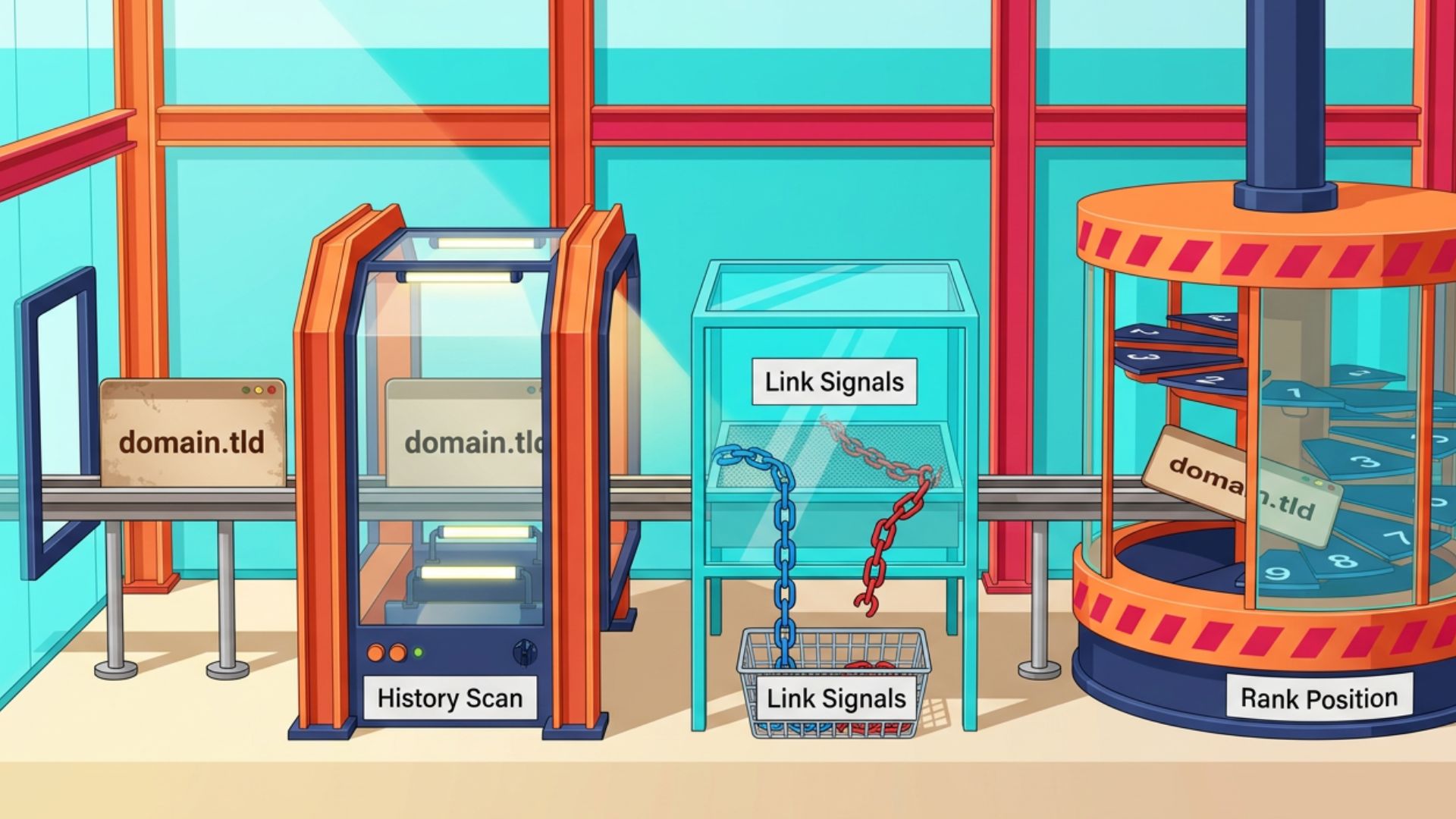
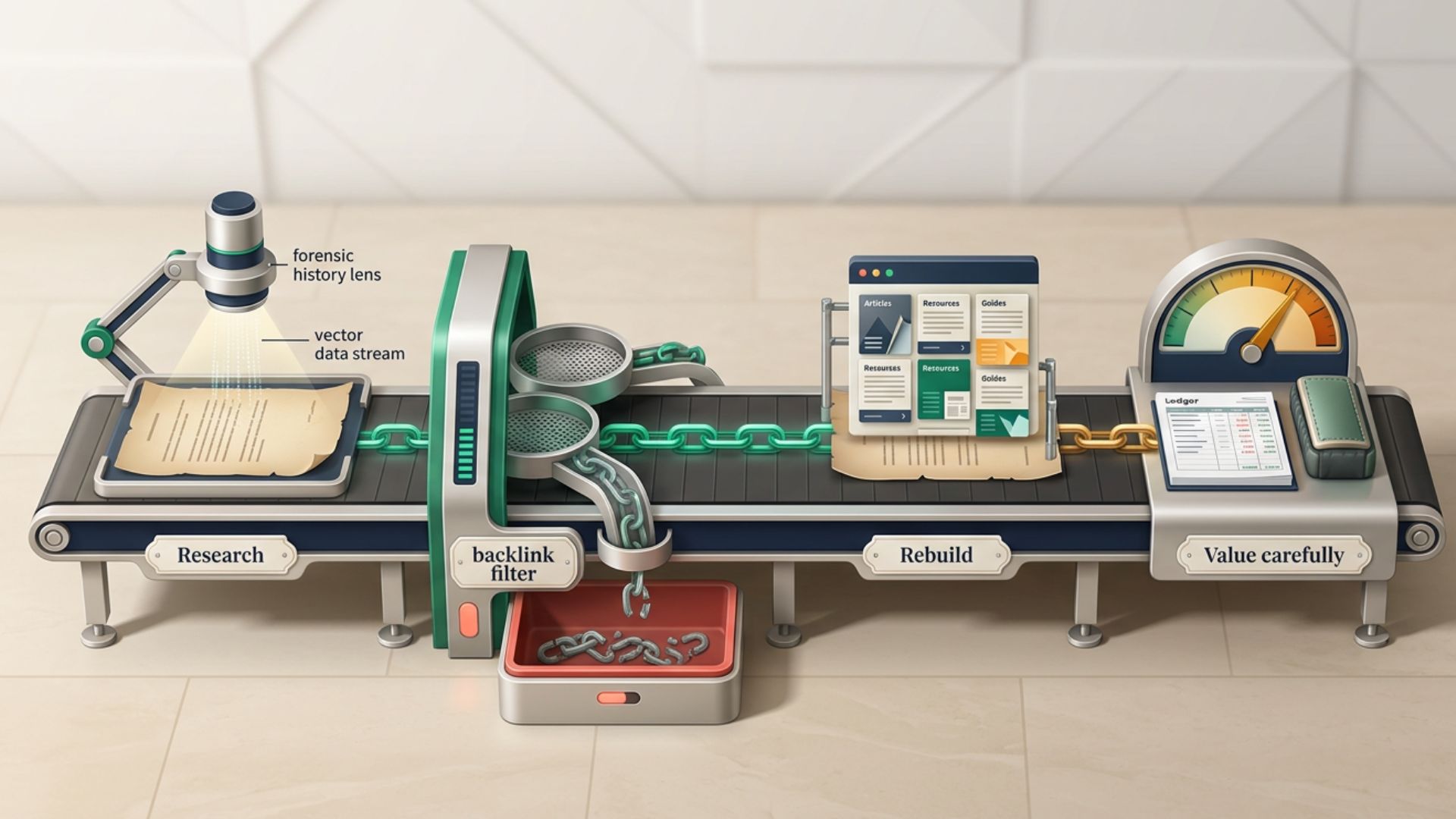
Expired domains can present opportunities for resale, but buying one simply because it is old, has backlinks, or appears valuable is not a reliable strategy. Many names attract little buyer interest, while competitive auctions can quickly erase potential profit. Successful flipping starts with a more disciplined approach: identifying names with genuine commercial appeal, researching their history and potential buyers, and acquiring them at a price that leaves room for costs and risk. This guide explains how the process works and what to consider before investing.
What Is Expired Domain Flipping?
Expired domain flipping involves acquiring a name after its previous registration has expired and attempting to resell it for more than the total cost of acquiring and holding it. Unlike general domain flipping, the opportunity begins with a name that has become available through an auction, closeout, backorder, or deletion process.
The goal is not simply to find an old name and hope someone buys it. A worthwhile opportunity usually has some combination of commercial appeal, brandability, recognizable wording, or existing market demand. Its history may also matter, particularly if it adds useful value or creates risks that could make the name harder to sell.
This differs from buying an expired domain to build a website, redirect traffic, or support an SEO strategy. Here, the primary objective is resale. The purchase only makes sense if there is a realistic reason to believe another buyer may value the name enough to pay more for it later.
Is Expired Domain Flipping Still Profitable in 2026?
Yes, it can still be profitable, but the opportunity is more selective than simply buying expired names and listing them for a higher price. Strong names attract competition, which can push auction prices high enough to reduce or eliminate the potential return. At the same time, many available names have little commercial appeal and may never attract a buyer.
Profitability depends largely on two things: whether the name has genuine demand and how much you pay to acquire it. A name does not need strong SEO metrics to be valuable if it is memorable, brandable, or useful to businesses. However, even a promising name may take months or longer to sell.
The key is to treat each purchase as an investment decision. Before buying, consider who might want the name, what similar names have sold for, and whether the expected resale price leaves enough room to cover fees, renewals, and the risk that the name may not sell at all.
Where to Find Expired Domains to Flip
Finding potential opportunities is easier than deciding which ones are actually worth buying. Expired names can appear through several channels, and each has different pricing, competition, and acquisition rules.
Expired Domain Auctions
Auction platforms list names that have expired or entered a registrar’s aftermarket process. These can attract significant competition, especially when a name is short, brandable, or has a strong history. Set a maximum bid before participating, as competitive bidding can quickly push the price beyond a reasonable resale margin.
Closeouts and Aftermarket Listings
Some unsold names may move to closeout or fixed-price stages, depending on the platform. These opportunities can be less competitive than auctions, but they still require the same level of evaluation. A lower price does not automatically make a name a good investment.
Domain Backorder Services
A backorder allows you to request that a service attempt to acquire a name if it becomes available in its system. It does not always guarantee ownership. If multiple buyers place backorders on the same name, some services may send it to an auction.
Dropped Domains
Domains that complete the expiration and deletion process may eventually become available for new registration. Competition can still be high, particularly for attractive names, and automated systems may attempt to register them immediately.
Expired Domain Research and Search Tools
Search tools can help filter large lists by factors such as keywords, extension, age, backlinks, or previous availability. These filters are useful for narrowing down candidates, but they should only be the starting point. The next step is determining whether the name has genuine resale potential.
How to Tell if an Expired Domain Is Worth Buying
Finding an available name is easy. Deciding whether it has enough resale potential to justify the price is the harder part. Age, backlinks, and authority scores can provide useful context, but they do not automatically make a name valuable.
Evaluate each expired domain based on buyer demand, commercial appeal, history, risk, and the price you need to pay. The following factors can help determine whether it is worth pursuing.
Evaluate the Name
Start with the name itself. Is it easy to remember, spell, and understand? Does it work as a brand or clearly relate to a product, service, or industry? Also consider the extension and whether it fits the likely buyer. A strong name is more valuable when there is a clear and practical reason for someone to own it.
Identify Potential Buyers
Ask who could realistically buy the name. Look beyond your personal opinion and consider businesses, startups, products, or industries that could benefit from using it. A name with several potential buyers generally has greater resale potential than one that makes sense only for a single company.
Check Comparable Sales
Look at recent sales of similar names to estimate a realistic price range. Compare factors such as wording, length, extension, industry, and brandability. Comparable sales are not guarantees. They simply provide market context and can help prevent you from overestimating what a buyer may pay.
Review Its History
Check how the name was previously used. Look for spam, misleading content, major changes in purpose, or other issues that could affect its reputation. A clean history does not guarantee a sale, but problematic history can reduce buyer interest or create unnecessary risk.
Assess Backlinks and SEO Metrics
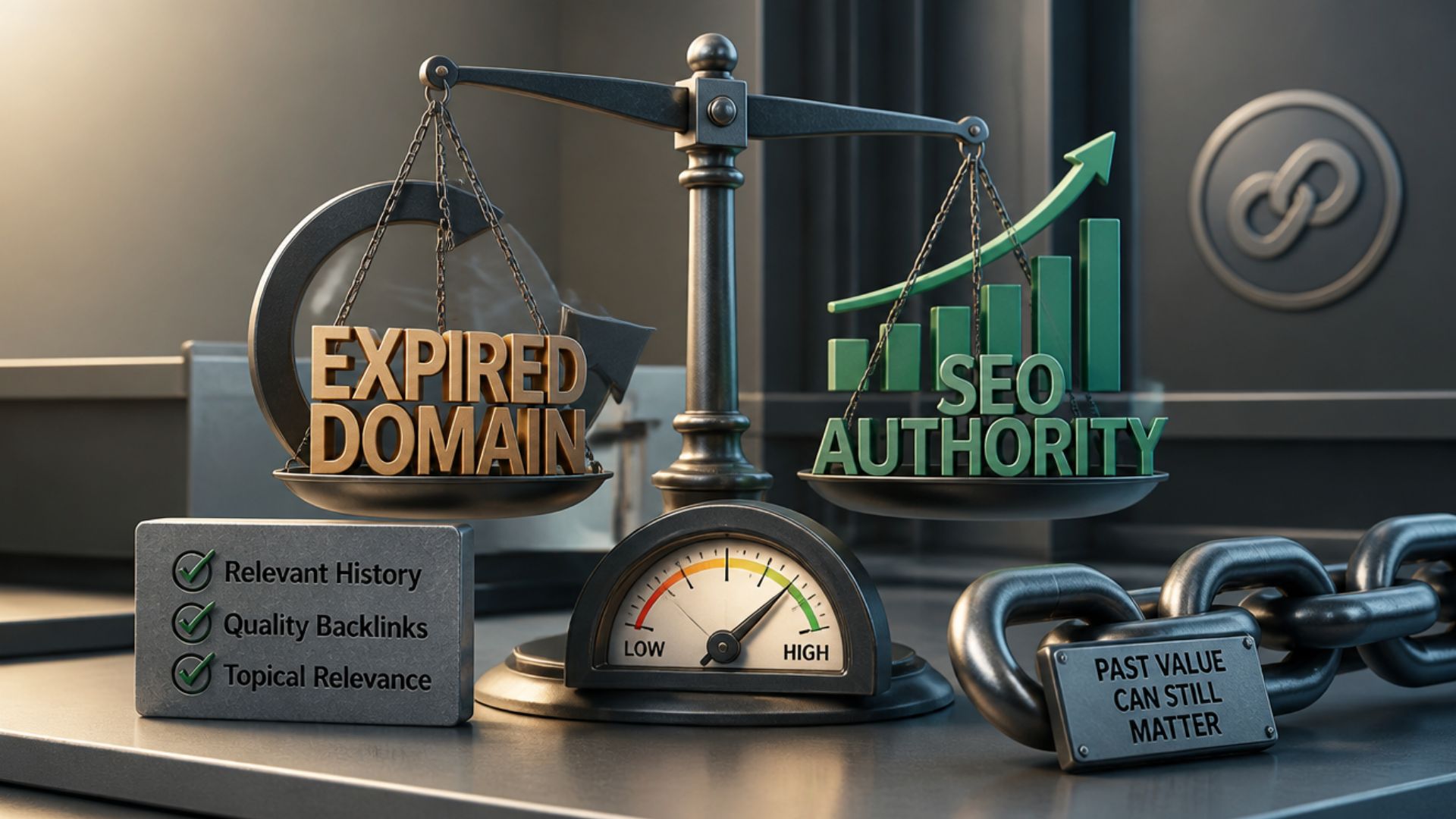
Backlinks and third-party metrics can add context, especially when the name has an established history. However, they should not be the main reason for a purchase intended for resale. Look at the quality and relevance of links, whether important links still exist, and whether the overall profile appears natural. High DA, DR, or similar scores do not guarantee buyer demand.
Check for Trademark Risks
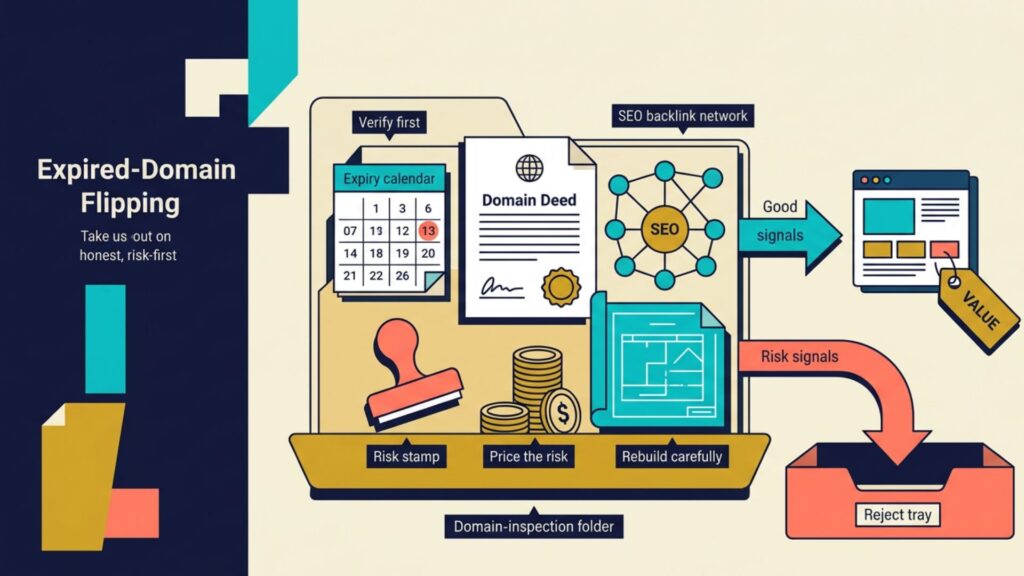
Make sure the name does not create an obvious conflict with an existing trademark. Generic or descriptive terms can have legitimate resale value, while names that clearly target an established brand may create legal and financial risk. If a potential conflict is unclear, conduct further research or seek qualified legal advice before proceeding.
Set Your Maximum Price
Decide how much you are willing to pay before entering an auction or placing a backorder. Your limit should account for the estimated resale value, selling fees, renewal costs, and the possibility that the name may never sell.
The goal is not to determine the highest possible value. It is to decide the highest price you can pay while still leaving room for a realistic return. If bidding goes beyond that limit, walk away.
How to Buy an Expired Domain Without Overpaying
Once a name passes your evaluation, the next challenge is acquiring it at a price that still leaves room for profit. The purchase method can vary depending on where the name is available, but price discipline should remain the same.
- Set a maximum price before bidding. Decide your limit before the auction begins based on the estimated resale value, selling costs, and the risk that the name may take a long time to sell.
- Do not get caught in competitive bidding. Another bidder’s interest does not automatically mean the name is worth more. If the price exceeds your limit, let it go.
- Compare available acquisition options. Depending on the name and platform, you may find it through an auction, closeout, backorder service, or after it has dropped and become available for registration.
- Calculate the full acquisition cost. Consider the purchase price and any applicable auction, platform, or transaction fees. A low winning bid can still prove expensive once additional costs are factored in.
- Understand the platform’s rules. Auction and backorder processes vary. In some cases, the previous registrant may still be able to renew the name, or multiple backorders may lead to a separate auction. Review the platform’s terms before committing.
How to Price and Sell an Expired Domain
Buying a name at the right price is only half of the process. You also need a realistic pricing strategy and a way to reach potential buyers. Setting an excessively high price can discourage interest, while pricing too low may leave money on the table.
- Set a realistic asking price. Use comparable sales, commercial appeal, buyer demand, and the quality of the name to establish a reasonable range. Avoid relying entirely on automated appraisals, which can provide estimates but cannot predict what a specific buyer will pay.
- Choose between Fixed Price and Make Offer. A fixed price gives buyers clarity and can simplify the purchase process. A Make Offer option provides more flexibility but may lead to negotiations that do not result in a sale.
- List it where relevant buyers can find it. Domain marketplaces and registrar aftermarket networks can provide exposure to buyers actively searching for names. Review each platform’s reach, commission structure, and listing requirements before choosing where to list.
- Consider direct outreach carefully. If the name has clear potential users, contacting relevant businesses may be an option. Keep outreach professional and relevant. Avoid aggressive or misleading sales tactics, especially when the name could be associated with another company’s trademark.
- Use a broker when it makes financial sense. A broker may be useful for a high-value name where professional negotiation and access to potential buyers could justify the additional commission. For lower-value names, the cost may outweigh the benefit.
The goal is not to list a name everywhere and wait. Price it based on realistic market signals, place it where suitable buyers can discover it, and choose a selling approach that makes sense for its potential value.
What Does It Really Cost to Flip an Expired Domain?
The difference between what you pay and what you sell a name for is not your actual profit. To determine whether a sale was successful, you need to account for all costs involved in acquiring, holding, and selling it.
Your initial cost may include the auction or closeout price, a backorder fee, or the cost of registering the name after it drops. Depending on the platform, additional acquisition fees may also apply. If the name does not sell quickly, renewal costs can continue to add up while you wait for a buyer.
Selling also comes at a cost. Marketplaces typically charge a commission, while escrow or payment processing fees may apply depending on how the transaction is handled. Taxes can further affect the final return based on your location and individual circumstances.
A simple way to calculate the result is:
Net Profit = Sale Price − Acquisition Cost − Holding Costs − Selling Fees − Transaction Costs − Applicable Taxes
For example, suppose you buy a name for $500 and later sell it for $2,000. If you spend $100 on renewals and other holding costs and pay a 15% marketplace commission, the $1,500 difference between the purchase and sale price is not your actual profit. After those costs, your profit before taxes would be $1,100.
A profitable flip is measured by what remains after all costs, not simply by how much higher the sale price is than the purchase price.
The Biggest Risks and Mistakes in Expired Domain Flipping
Most losses come from overestimating a name’s value, paying too much, or ignoring risks before buying.
- Buying based only on metrics: Age, backlinks, DA, and DR do not guarantee buyer demand.
- Ignoring history or trademark risks: A problematic past or potential legal conflict can make a name difficult or risky to resell.
- Overpaying at auction: Other bidders may see value, but their interest should not determine your budget.
- Expecting a quick sale: Even strong names can take months or longer to sell, and some may never sell.
- Setting unrealistic prices: An asking price should reflect comparable sales and actual demand, not just your expectations.
- Letting holding costs pile up: Renewals and selling fees can gradually reduce or eliminate potential profit.
- Holding weak names for too long: Past spending is not a reason to keep renewing a name with little realistic resale potential.
The key is to stay disciplined. If the expected demand and potential return no longer justify the cost, walking away or accepting a loss may be the better decision.
Conclusion
Expired domain flipping is not simply about finding an old name and waiting for someone to buy it. The strongest opportunities come from identifying genuine buyer demand, researching the name and its history, managing potential risks, and acquiring it at a price that leaves room for profit.
A disciplined approach also means knowing when not to buy. Not every expired name is a good investment, and even a promising one may take time to sell. By focusing on real market value rather than surface-level metrics or speculation, you can make more informed decisions and avoid turning a potential opportunity into an expensive holding.