
An expired domain can look like a simple opportunity. It may have an established name, existing backlinks, direct traffic, or years of history, and once it becomes available, anyone can buy it. But availability alone does not answer the most important question: whether you can legally use it as you intend.
Buying an expired domain is generally legal, but the name, its previous use, and any rights still associated with it can create problems for the new owner. Understanding those risks before you buy can help you avoid a costly dispute or a purchase you cannot use as planned.
Buying the Domain Does Not Mean You Own the Rights to the Name
When you buy an expired domain, you acquire the right to register and control that web address. You do not automatically acquire everything previously connected to it.
For example, the name may still be protected by trademark rights, while the former website’s content, logo, images, and other materials may belong to the previous owner or another rights holder. This distinction matters because a registration can expire even when the business or brand behind it still exists.
In other words, a web address becoming available does not automatically give the new buyer unrestricted rights to use the name or present themselves as connected to the previous owner. Before moving forward, it is important to separate ownership of the registration from the rights associated with the name and its former use.
When Can an Expired Domain Create Legal Problems?
Buying an expired domain is generally legal. Problems usually arise when the name conflicts with someone else’s rights or when the new owner uses it to mislead, imitate, or profit from an existing brand. The following situations pose the greatest legal risk.
Trademark Conflicts
A domain can expire while the trademark rights associated with the name remain valid. If the name is identical to or confusingly similar to an existing trademark, using it for related products or services may lead to a dispute. The risk is not limited to exact matches. Similar names can also be a problem when they are likely to confuse consumers about who operates or is connected to the website. That is why availability should never be treated as proof that a name is free to use.
Cybersquatting and Bad-Faith Registration
Buying and reselling expired domains is not, by itself, cybersquatting. The issue is whether the registration targets another party’s trademark in bad faith. For example, acquiring a name because it is associated with an established brand and then trying to sell it to that brand for a profit can create legal risk. Trademark owners may challenge such registrations through the UDRP or other legal remedies, depending on the circumstances.
Impersonation and Consumer Confusion
An expired domain may still receive visitors looking for the previous business. Problems can arise if the new website leads visitors to believe it is still operated by, affiliated with, or endorsed by the former owner. Using similar branding, presenting outdated business information as current, or deliberately taking advantage of existing customer recognition can increase that risk. Buying the web address does not give the new owner the right to represent the previous business.
Previous Website Content and Branding
The purchase only gives you control of the domain registration. It does not automatically transfer ownership of the former website’s articles, images, logos, designs, or other protected material. Reusing those assets without permission can create separate copyright or trademark issues. If you want to rebuild the site, use content and branding you own or have the right to use.
Does Your Intended Use Matter?
Yes. The same expired domain can carry very different levels of risk depending on how you plan to use it. A legitimate new website, an SEO redirect, and a resale strategy may raise different concerns, particularly when the name is associated with an existing brand or the former site’s audience.
Using an Expired Domain for a New Website
Starting a new website is generally straightforward when the name does not infringe on someone else’s rights or create a misleading connection with the previous owner. The main concern is whether your use of the name could lead visitors to believe your business is associated with an existing brand, company, or organization.

Buying Expired Domains for SEO
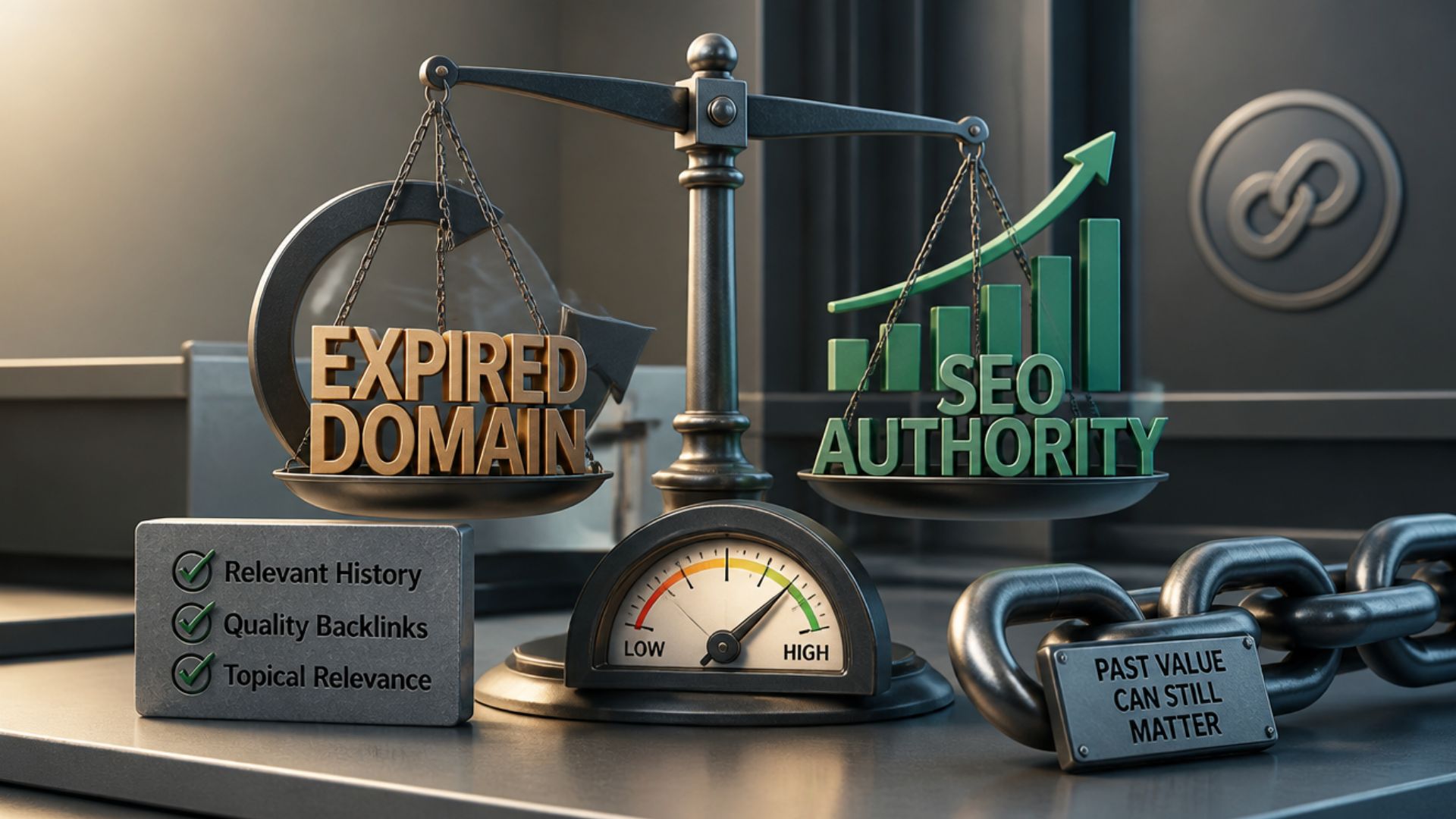
Buying an expired domain for its backlinks, traffic, or history is not inherently illegal. However, problems can arise if the new site uses a trademarked name to capture traffic, misrepresents itself as the former business, or redirects visitors in a deceptive way.
The SEO value of an expired domain does not confer on the buyer any additional rights to its former brand, content, or reputation.
Buying an Expired Domain to Resell
Buying and reselling domain names is a legitimate business activity. The legal risk increases when a buyer targets a name because of another party’s trademark and attempts to profit from that party’s rights.
A generic or independently valuable name is different from one acquired primarily to pressure a trademark owner into buying it. The purpose behind the registration and the surrounding circumstances can matter when a dispute arises.
What to Check Before Buying an Expired Domain
Before purchasing an expired domain, take time to review the domain, its history, and the terms of the sale. A few basic checks can help you identify potential legal or practical issues before committing to the purchase.
- Check for trademark and brand conflicts. Search relevant trademark databases and look for active businesses using the same or a confusingly similar name, especially in related industries.
- Research the previous use. Review what the website previously offered and whether it was closely associated with a business, product, organization, or recognizable brand.
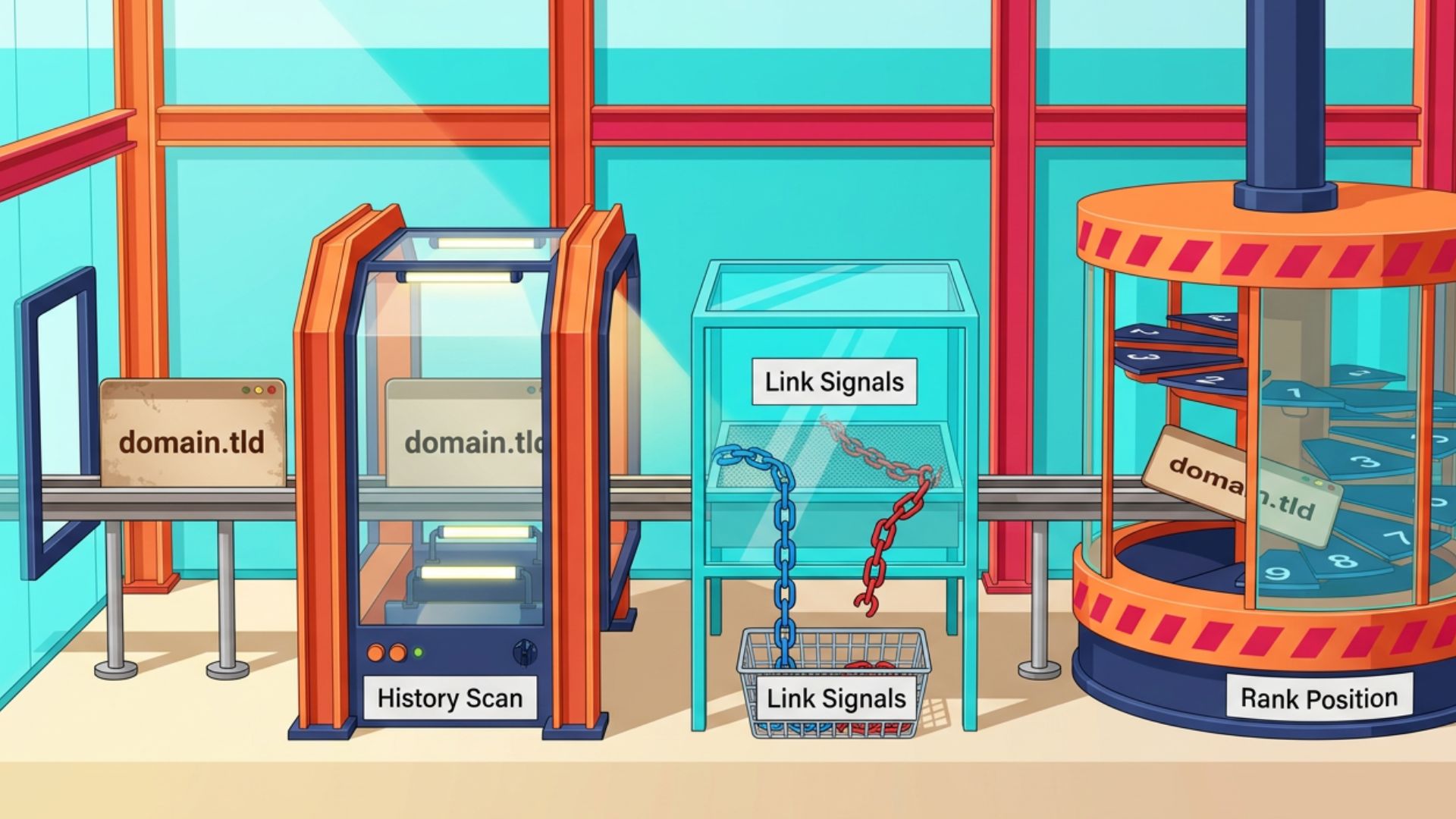
- Review its history and reputation. Look for signs of spam, scams, malware, misleading activity, or other problems that could affect how the name is perceived or used.
- Confirm the registration and sale status. An expired-domain auction may not always result in an immediate or guaranteed transfer. Depending on the registrar or marketplace, the previous registrant may still have an opportunity to renew.
- Consider your planned use. Ask whether your website, redirect, or other use could make visitors believe it is connected to the previous owner or another existing brand.
If any of these checks reveal a potential conflict, it may be better to avoid the purchase or seek legal advice before moving forward.
When Should You Get Legal Advice?
Consider speaking with a qualified legal professional if the name closely resembles an established brand, the purchase involves a significant investment, or you plan to use it for an important commercial project. These situations can carry risks that are difficult to assess through a basic trademark or history check.
Legal advice may also be worth seeking if you discover an existing dispute, receive a complaint from a rights holder, or are unsure whether your planned use could infringe on someone else’s rights. Getting clarity before launching can be less costly than dealing with a dispute later.
When Should You Get Legal Advice?
Consider speaking with a qualified legal professional if the name closely resembles an established brand, the purchase involves a significant investment, or you plan to use it for an important commercial project. These situations can carry risks that are difficult to assess through a basic trademark or history check.
Legal advice may also be worth seeking if you discover an existing dispute, receive a complaint from a rights holder, or are unsure whether your planned use could infringe on someone else’s rights. Getting clarity before launching can be less costly than dealing with a dispute later.
Conclusion
Buying an expired domain is generally legal, but availability alone does not guarantee that you can use the name without restrictions. Trademark rights, the site’s previous use, and your intended purpose can all affect the level of risk.
Before making a purchase, research the name, review its history, and consider whether your planned use could conflict with someone else’s rights or mislead visitors. A little due diligence upfront can help you avoid a costly dispute and choose a name you can use with greater confidence.